
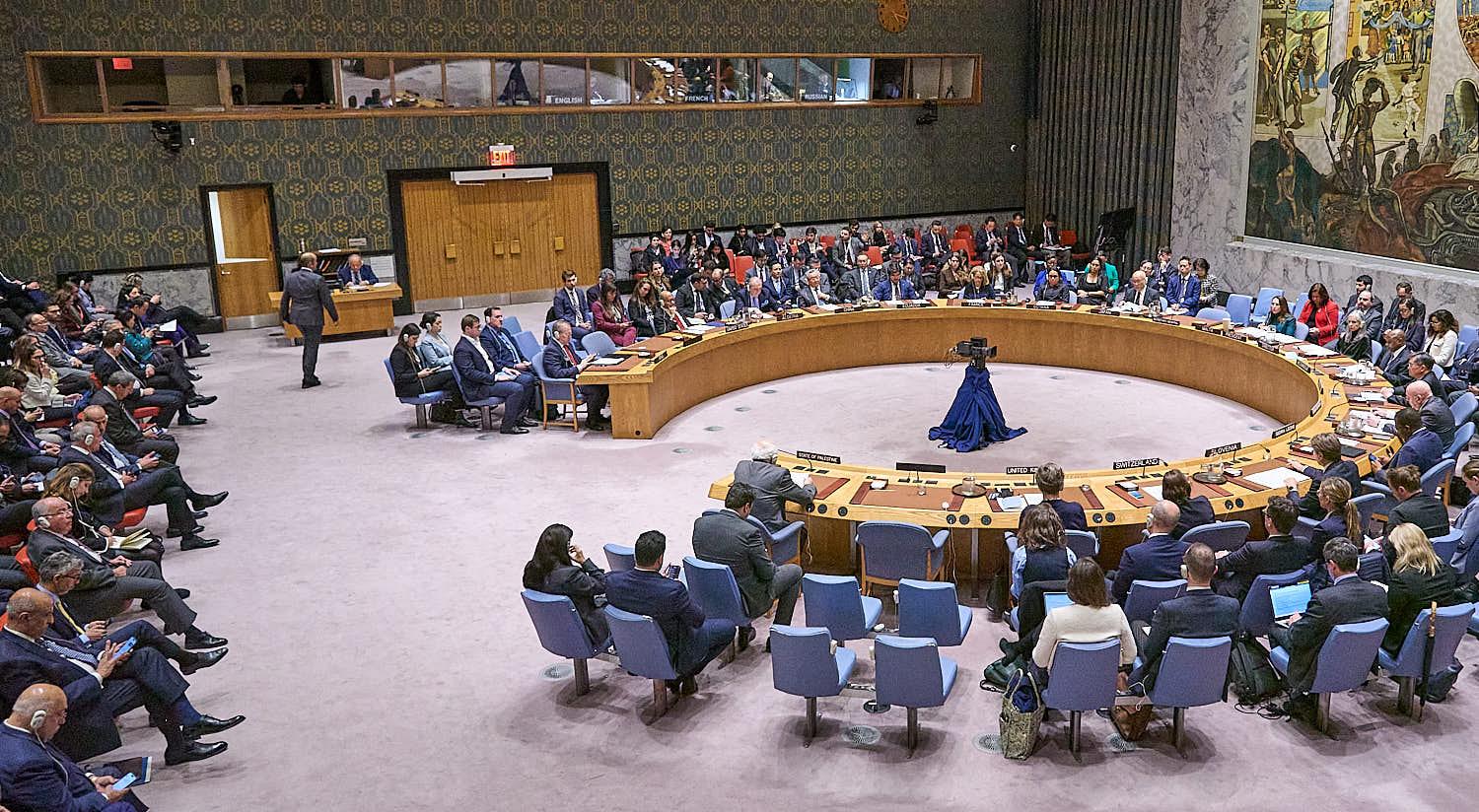
Urgent Renewed Calls for Arms Embargo in South Sudan: An In-Depth Analysis
The United Nations Security Council is facing mounting pressure to extend the arms embargo on South Sudan, a vital measure aimed at curbing the persistent violence that has afflicted the nation since it gained independence in 2011. Despite numerous peace efforts and negotiations, sporadic outbreaks of violence and human rights abuses continue to plague the country, largely fueled by intense competition over resources and political power. Civil society organizations and international observers have repeatedly stressed the critical need for renewed sanctions to prevent further deterioration of security conditions.The arms embargo is seen as a crucial tool to restrict the flow of weapons that intensify conflicts among various factions within South Sudan.
Increased Pressure on UN Security Council
Advocates for extending the arms embargo contend that without such measures,armed groups could acquire advanced military hardware,leading to escalated violence and further destabilization of an already precarious state. Reports suggest that numerous shipments of weapons have successfully evaded detection by authorities, prompting calls for more rigorous enforcement strategies. To effectively address these challenges, several key actions have been proposed:
- Strengthened Oversight: Implementing extensive monitoring systems for all arms shipments.
- Targeted Sanctions: Enforcing specific penalties against individuals who instigate or perpetuate violence.
- Diplomatic Reinforcement: Intensifying diplomatic initiatives aimed at achieving sustainable peace agreements.
Humanitarian Crisis Exacerbated by Arms Influx: A Call for Comprehensive Review
The ongoing influx of weapons into South Sudan has intensified an already severe humanitarian crisis,inflicting tremendous suffering on civilian populations.As hostilities escalate,the consequences of unregulated military supplies become increasingly evident-leading to widespread displacement,loss of life,and societal breakdown. Non-governmental organizations (NGOs) and human rights advocates have documented alarming trends illustrating how arms proliferation directly affects communities through:
- A Rise in Violence: An increase in armed confrontations resulting in civilian casualties and mass migrations.
- Aid Accessibility Challenges: Ongoing conflicts severely hinder aid organizations’ ability to deliver essential services.
- Nutritional Instability: Conflict-induced disruptions disrupt agricultural activities leading communities toward famine conditions.
A comprehensive reassessment of South Sudan’s security framework must prioritize addressing these humanitarian issues directly. Renewing or establishing an arms embargo can foster a more accountable system regarding weapon transfers while ensuring they do not exacerbate conflicts or endanger civilian lives further.A strategic approach may involve collaboration between international entities, local stakeholders, and humanitarian groups aimed at effectively mitigating risks associated with weapon flows through measures such as:
- Tightened Monitoring Protocols: Establishing strict oversight mechanisms governing all armament transfers according to international standards.
- Civic Engagement Initiatives: Strengthening local programs focused on peace-building efforts and conflict resolution strategies.
- Pursuing Disarmament Efforts: Launch grassroots campaigns designed to minimize weapon presence within communities.< / li >
Strategies for Diplomatic Engagement & Monitoring Compliance with Renewed Restrictions
Navigating the complexities surrounding South Sudan’s arms embargo necessitates a robust diplomatic engagement framework from UN member states. It is crucial that a coordinated strategy be developed which encourages dialogue among conflicting parties involved in this crisis.Key recommendations include but are not limited to:
- Establish Regular Dialogue Channels : Create both formalized channels and also informal avenues facilitating ongoing discussions between government representatives from South Sudan , opposition factions ,and global stakeholders.
- Engage Regional Organizations : Collaborate with bodies like Intergovernmental Authority on Advancement (IGAD) along with African Union (AU) leveraging their regional influence towards facilitating meaningful peace talks.
- Implement Joint Monitoring Mechanisms : Formulate coalitions comprising international monitors tasked specifically overseeing compliance related issues concerning existing restrictions imposed via embargos .
Additionally , enhancing compliance requires establishing transparent accountability systems capable tracking adherence levels across various sectors involved . This could encompass initiatives such as :
< ul > - < b >Formulating Compliance Committees :< / b > Constituting committees within UN frameworks inclusive diverse representation assessing conformity terms set forth under current embargos .< / li >
- < b >Leveraging Technology :< / b > Utilizing satellite surveillance alongside intelligence sharing protocols monitor armaments flow usage conflict zones effectively.< / li >
- < b >Involving Civil Society Groups :< / b > Engaging local NGOs community leaders monitoring processes ensuring comprehensive insights ground level compliance status.< / li >
Suggestion Benefit Regular Negotiation Channels Enhances dialogue reduces mistrust. Regional Organizations Involvement Strengthens regional solutions addressing localized conflicts. Final Thoughts
The urgent appeal from members of the UN Security Council advocating renewal regarding existing restrictions placed upon armaments entering into south sudan underscores persistent concerns surrounding stability security throughout region.As global advocacy continues push forward towards reconciliation implications stemming from potential renewals extend beyond mere limitations highlighting collective commitment tackling root causes underlying both conflict human suffering alike.As situation evolves role played by international community remains pivotal fostering sustainable pathways leading ultimately towards lasting resolutions amidst turmoil plaguing nation over years ahead.Security council’s forthcoming decisions hold critically important weight shaping future trajectory south sudan populace moving forward.
Unlocking Tomorrow: H.E. Ambassador Duarte Lopes Shares Visionary Insights on Europe, North Africa, and the Mediterranean
During a recent event hosted by the Stimson Center, participants delved into a captivating discussion about the evolving relationships between...
Read moreDetails









