
Renewed Strains: The Complex Interplay Between Somalia and Ethiopia Over Somaliland
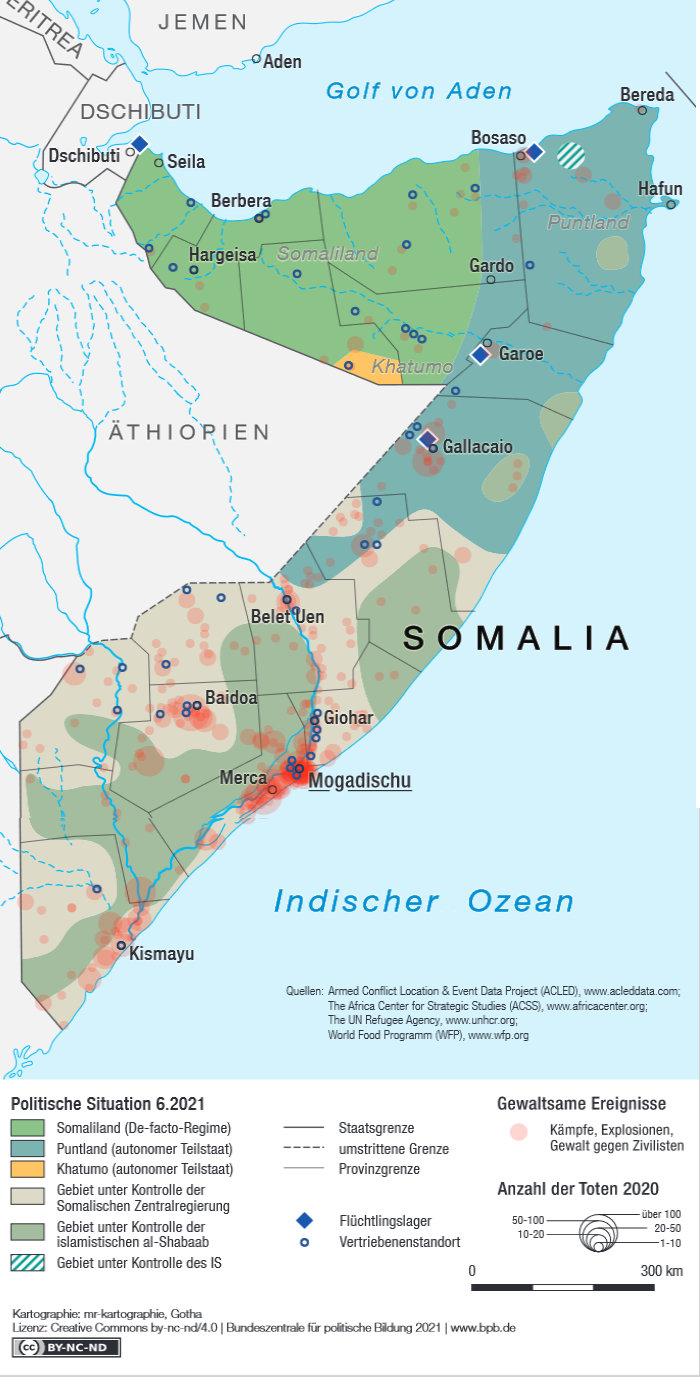
The geopolitical landscape of the Horn of Africa is currently experiencing renewed strains, particularly between Somalia and Ethiopia, amid allegations that Ethiopia seeks to annex the self-proclaimed independent region of Somaliland. These assertions, made by Somali officials, underscore the intricate dynamics within regional power structures and national aspirations. Since declaring independence from Somalia in 1991, Somaliland has pursued international recognition while facing persistent sovereignty challenges. The accusations against Ethiopia raise critical questions about its intentions in the region, ancient ties to both Somalia and Somaliland, and potential repercussions for peace throughout the Horn of Africa. This article explores the roots of these claims, reactions from both nations involved, and their implications for regional stability.
Historical Background Behind Somalia’s Claims
To understand Somalia’s allegations against Ethiopia regarding possible annexation efforts towards Somaliland, one must delve into the region’s complex history. The origins of this conflict can be traced back to colonial times when borders were established without regard for ethnic or clan affiliations. Following its independence in 1960,divisions between northern regions-now recognized as Somaliland-and southern territories fueled long-standing grievances over governance aspirations. After a devastating civil war culminated in its declaration of independence in 1991, Somaliland has remained unrecognized on an international scale-a factor that complicates its quest for sovereignty amid evolving political landscapes.
As tensions escalate further between these nations, several key aspects merit attention:
- Military Concerns: Somali authorities allege that Ethiopian forces have crossed into Somaliland territory-raising alarms about potential military annexation.
- Pursuit of Autonomy: The government in Somaliland is actively seeking greater acknowledgment as an independent entity-a goal that starkly contrasts with perceived Ethiopian ambitions.
- Geopolitical Interests: Ethiopia’s interest in engaging with Somaliland reflects broader strategic objectives related to trade routes and security concerns.
Ethiopia’s Strategic Interests: Understanding Regional Dynamics
Ethiopia’s involvement with Somaliland has become a crucial element within regional geopolitics amidst rising tensions. As accusations arise regarding Ethiopian intentions toward annexing this semi-autonomous region, various factors shape Addis Ababa’s strategic considerations. Foremost among these are critically important security concerns linked to threats posed by militant groups such as Al-Shabaab; extending influence into Somaliland serves as a means for Ethiopia to strengthen its borders against such dangers. Additionally,critical trade routes,which traverse through this territory are vital for bolstering economic interests essential for landlocked Ethiopia’s growth.
Navigating these intricate dynamics requires careful consideration from Ethiopian leadership regarding their longstanding alliance with Somalia-especially given evolving political contexts characterized by:
- Eeconomic Collaboration: Joint infrastructure projects can significantly enhance stability across regions.
- Diplomatic Relations: Maintaining balanced relations with both Somali entities is key to fostering peace while preserving influence.
- Cultural Ties: Historical connections among Somali communities across borders necessitate thoughtful approaches moving forward.
Ethiopia’s actions may not solely reflect territorial ambitions but rather signify an overarching strategy aimed at consolidating power throughout the Horn while effectively managing local expectations alongside international scrutiny.
Strategies for Peaceful Engagement: Recommendations
The escalating discord between Somalia and Ethiopia over issues surrounding Somaliland necessitates comprehensive strategies focused on enhancing dialog and cooperative efforts moving forward. First off, bilateral discussions b etween leaders from both nations should take precedence; addressing misunderstandings directly could pave pathways toward resolution. Establishing joint committees would ensure transparency during negotiations while representing all parties fairly. Trust-building initiatives , including cultural exchanges or humanitarian collaborations could also help mitigate existing animosities further enhancing mutual understanding amongst stakeholders involved.
It remains imperative that each nation acknowledges how crucial regional stability is-not just individually but collectively benefiting all countries within East Africa.
Moreover, international mediators play pivotal rolesin facilitating constructive dialogues; active involvement from organizations likethe African Union (AU)andUnited Nations (UN)can provide neutral grounds conducive towards negotiations along offering expertise related conflict resolution processes.Recommendations directed towards mediators include organizing multi-stakeholder dialogues inclusive representation from representatives hailing outtaSomaliland fostering platforms discussing matters pertaining political autonomy recognition concerns.Additionally leveragingeconomic incentives tied growth aid promoting peaceful cooperation can motivate collaborative efforts leading sustainable resolutions overall.
Conclusion: Navigating Future Complexities
The intensifying friction between Somalia &Ethiopia revolving aroundSomaliland underscores complexities inherent withinHornofAfrica geopolitics.Somalia’s assertions allegingEthiopian attempts at annexingthisregion reflect broader struggles surroundingterritorial integrity&nationalsovereignty.Asbothnations navigate historical grievances&geopolitical aspirations,theinternationalcommunitymustremainvigilantmonitoringsituation.Developingongoingdialogue&diplomaticengagementwillbeessentialpreventfurtherescalationwhilepromotingstabilityacrossalreadychallengingregions.Thedevelopmentsunfoldinginthissituationwarrantcloseattentionas theycouldhaveprofoundimplicationsforlocalregionalpeace&security.










