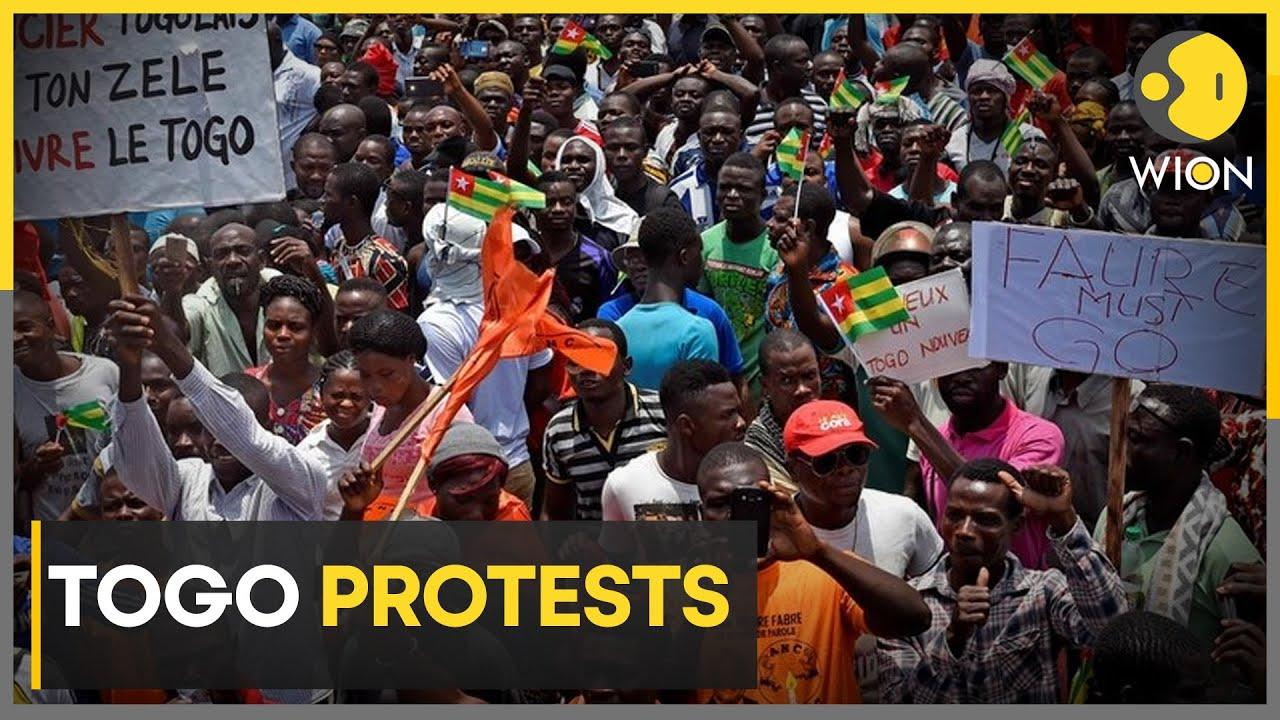
In a tragic escalation of civil unrest, protests against the administration of Togo’s President Faure Gnassingbé have resulted in the deaths of at least seven individuals in the capital city of Lomé. The demonstrations, sparked by widespread discontent over political repression and economic challenges, have drawn thousands of citizens demanding accountability and reform. Eyewitness accounts describe a tense atmosphere as security forces clashed with protesters, leading to violent confrontations. This incident marks a significant moment in Togo’s ongoing struggle for democratic governance and raises critical questions about human rights and state response to dissent in the West African nation.
Tensions Escalate in Lomé as Protests Against Faure Gnassingbé Turn Deadly
As protests against President Faure Gnassingbé intensified in Lomé, tensions reached a critical point, resulting in at least seven fatalities. Demonstrators have taken to the streets, voicing their discontent over the government’s handling of economic issues and calls for political reforms. Reports indicate that police forces responded with heightened aggression, employing tear gas and live ammunition to disperse crowds. This violent clash has further inflamed the already charged atmosphere, as the citizens of Togo express their frustrations over years of perceived autocratic rule.
The situation has brought international attention to Togo, with human rights organizations condemning the use of excessive force against peaceful protesters. Amid rising fears of further violence, many citizens are calling for accountability and a commitment to democratic practices. Key demands from the protestors include:
- Resignation of Faure Gnassingbé
- Free and fair elections
- Economic reforms to address poverty
In a bid to highlight the ongoing struggle for democratic governance, numerous reports are compiling data on the recent casualties, underscoring the dire consequences of the unrest. The international community’s stance could play a pivotal role in voicing support for the Togolese people’s demands for change.
Impact of Political Unrest on Togo’s Stability and Human Rights
The recent wave of protests in Togo, sparked by widespread discontent against President Faure Gnassingbé’s long-standing regime, has significantly impacted the country’s stability and the state of human rights. Demonstrators have taken to the streets of Lomé, expressing their frustrations over issues such as corruption, poor governance, and economic hardship. As a result, clashes have erupted between protesters and security forces, leading to tragic outcomes, including the loss of seven lives. This unrest has highlighted the persistent challenges faced by Togolese citizens in their quest for political reform and accountability.
The implications of this political unrest extend beyond immediate violence, posing a grave threat to fundamental human rights within the country. Authorities have responded to demonstrations with heightened security measures, which often infringe on the freedoms of assembly and expression. The situation raises critical concerns, including:
- Arbitrary Detention: Activists and opposition leaders face increased risks of detention without trial.
- Freedom of Press: Journalists reporting on the unrest experience intimidation and censorship.
- Marginalization of Voices: Peaceful dissent is increasingly met with force, stifling democratic discourse.
The systemic disregard for human rights amidst ongoing protests emphasizes the urgent need for dialogue and reform, lest Togo descend further into instability.
Call for International Attention and Support: A Path Towards Peaceful Dialogue
The recent protests in Togo have reignited calls for international attention to the ongoing political unrest in the nation. The tragic loss of seven lives in Lomé underscores the urgent need for a global response to foster dialogue and reconciliation. Activists and citizens alike are pleading for support from international organizations and foreign governments to help facilitate a peaceful resolution. The situation necessitates a united front aimed at safeguarding human rights and restoring democratic practices within Togo. Key points of concern include:
- Human Rights Violations: Reports of police brutality and suppression of dissent must be addressed.
- Political Repression: The need for transparency and free elections is critical.
- Regional Stability: Instability in Togo poses risks to the broader West African region.
Bolstered by international intervention, Togo could chart a new course towards peace and democratic governance. Engaging with local civil society groups can enhance grassroots efforts aimed at reconciliation and conflict resolution. It is essential that the global community recognizes the importance of sustained dialogue, characterized by the following goals:
| Goal | Description |
|---|---|
| Dialogue Facilitation | Encouraging government and opposition discussions. |
| Monitoring Human Rights | Establishing independent bodies for oversight. |
| International Mediation | Engaging third-party negotiators for peace talks. |
Wrapping Up
In the wake of the tragic events in Lomé, where protests against President Faure Gnassingbé escalated into violence, the nation grapples with the implications of these developments. As demonstrators rallied for political reform and justice, the loss of seven lives has intensified calls for accountability and government responsiveness. The unrest reflects deeper societal frustrations and a yearning for change among many Togolese citizens. Moving forward, the international community will undoubtedly be watching closely, as the government faces pressure to address the underlying grievances while ensuring the safety and rights of its people. The situation in Togo underscores the ongoing struggle for democracy and stability in the region, reminding us of the enduring impact of political dissent. As Togo navigates this critical juncture, the hope for a peaceful resolution remains paramount.