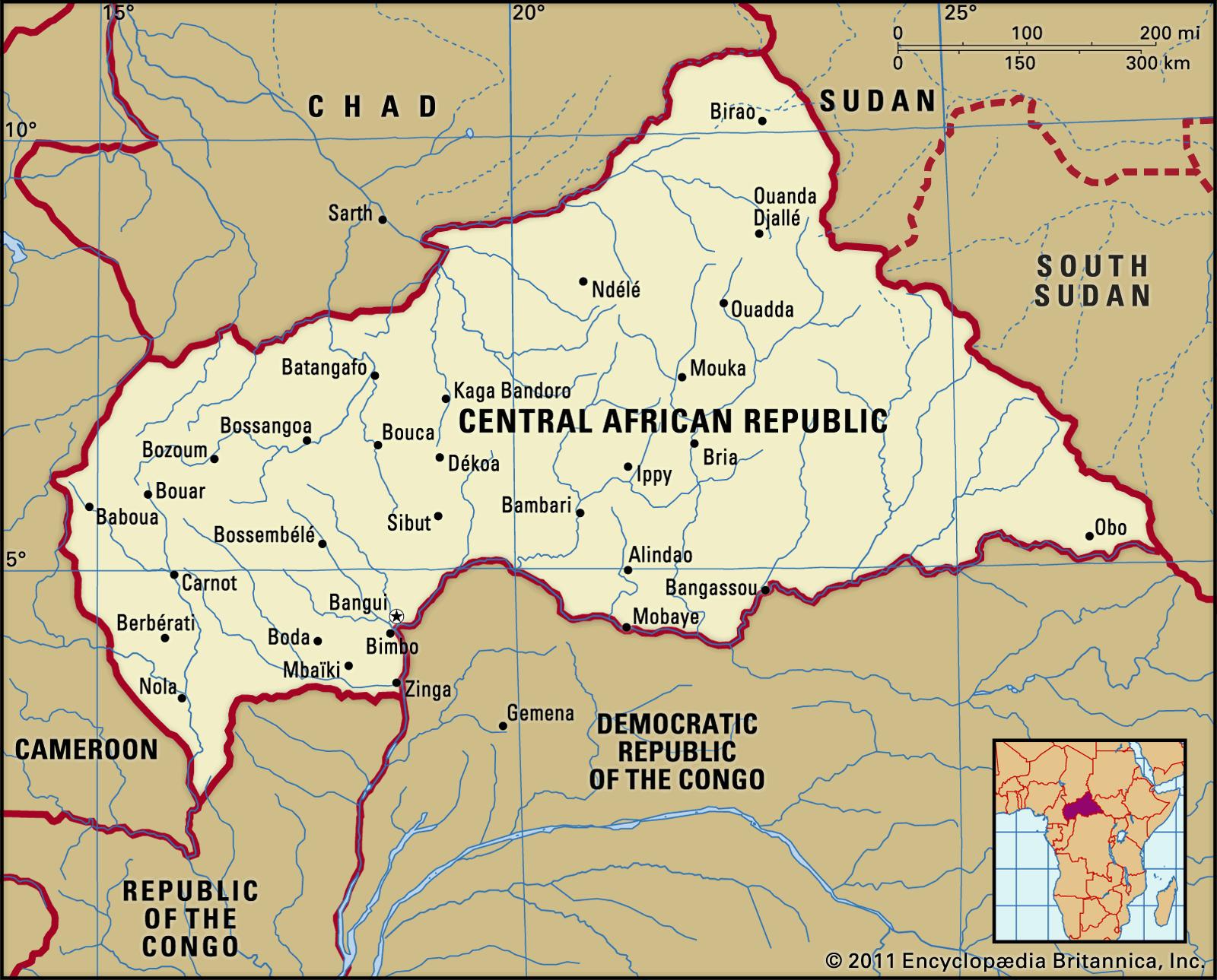
Central African Republic: Wagner Group’s Efforts to Reassert Dominance in the Southeast
The Central African Republic (CAR), a nation long plagued by turmoil and unrest, is currently witnessing a resurgence of power struggles as the Russian private military entity, Wagner Group, amplifies its activities in the southeastern region. In light of recent challenges to their authority,Wagner is reportedly adopting new tactics aimed at reestablishing its influence in this politically charged area where local militias and government forces vie for control. This renewed focus not only underscores the ongoing geopolitical complexities within Africa but also raises alarms regarding potential ramifications for regional stability and humanitarian conditions. As negotiations and conflicts unfold, global observers are closely monitoring developments in CAR—a country caught between external interests and internal discord.
Wagner’s Strategic Initiatives in the Southeast Amid Rising Tensions
The escalating tensions within CAR have prompted Wagner Group to undertake a series of strategic initiatives designed to solidify its presence in the southeast. With persistent conflicts among various local factions contributing to instability, this private military institution is positioning itself as an essential player on the political stage. Recognizing the critical importance of this region,Wagner’s operatives are likely leveraging local grievances while reinforcing their foothold to ensure they remain pivotal in any future power arrangements.Key strategies include:
- Building Alliances: Establishing partnerships with influential militia leaders.
- Securing Resources: Gaining control over vital mining sites to enhance financial backing.
- Enhancing Intelligence Operations: Increasing surveillance on competing factions.
The evolving situation raises questions about Wagner’s long-term objectives and operational strategies within CAR. Analysts warn that their determination to maintain a stronghold could lead to heightened military confrontations, further complicating challenges faced by CAR’s government. This potential escalation emphasizes the necessity for sustained international attention on an area teetering on the brink of widespread violence. The following table summarizes key factors influencing Wagner’s strategy:
| Factor | Impact | |
|---|---|---|
| Local Rivalries | Presents opportunities for exerting influence | |
| Resource Extraction | Aids funding for operations | |
| International Response | May restrict operational freedom |
Impact of Wagner’s Presence on Local Stability and Security Dynamics
The involvement of Wagner Group operatives has profoundly transformed stability and security dynamics within CAR. Their increasing engagement has unveiled several critical factors that illustrate how their actions complicate existing conditions:
- Exploitation of Power Vacuums: The group has adeptly filled voids left by disbanded militia factions, resulting in a precarious balance of power.
- Escalation of Local Conflicts: Their participation frequently enough intensifies existing tensions rather than alleviating them, perpetuating cycles of violence.
- Community Relations Challenges: While some local leaders perceive them as stabilizers, many community members harbor distrust towards their presence—leading to fractured relationships.
The security landscape now reflects a complex interplay between fear and reliance on Wagner’s military capabilities. Observers note that:
| Factor | ||
|---|---|---|
| < tr >< td Resource Control | < tr >< td International Relations |
Strategic Recommendations for Mitigating Wagner’s Influence in Central African RepublicA extensive strategic approach is crucial for effectively counteracting Wangner’s expanding influence throughout CAR.This entails bolstering diplomatic relations with regional allies alongside international organizations aimed at formulating a cohesive response against paramilitary activities associated with Wanger.key actions should encompass :
|