
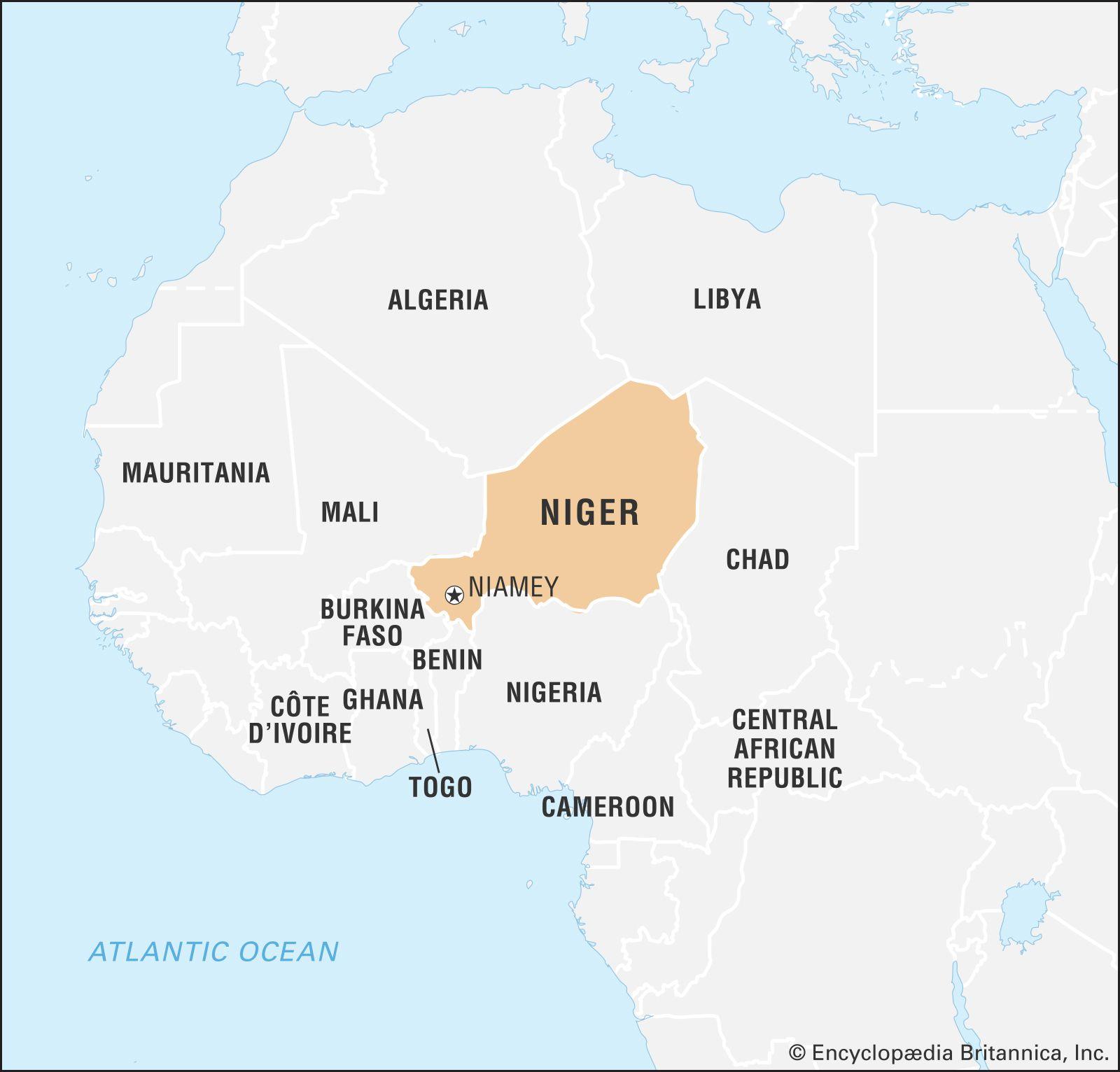
Rising Diplomatic Tensions: Niger’s Allegations Against France
Niger has recently escalated diplomatic tensions by accusing France of allegedly training terrorist groups within its borders. This striking claim underscores the declining relationship between the two countries, which were once viewed as allies in the fight against terrorism in the Sahel region. As Niger grapples with increasing security threats and a rise in militant activities, these allegations spark essential discussions about foreign influence and the complex nature of regional security strategies. This article delves into Niger’s accusations, the historical context of Franco-Nigerien relations, and potential consequences for stability in West Africa.
Niger’s Accusations Against France Signify Growing West African Tensions
The recent claims from Niger have intensified an already strained relationship with France, suggesting a possible shift in geopolitical dynamics across West Africa. The Nigerien government contends that French military operations may have either directly or indirectly contributed to instability by training and supporting groups labeled as terrorists, exacerbating security challenges throughout the Sahel region. These assertions arise amid rising nationalist sentiments and anti-colonial sentiments gaining traction across West Africa, where former colonial powers like France are increasingly scrutinized for their involvement in local affairs.
As these allegations unfold, it is vital to evaluate their broader implications on regional security and international relations. The growing discontent among various factions within Niger indicates a deepening skepticism towards Western interventions, leading to calls for greater self-determination and localized solutions. Several key considerations warrant attention as this situation develops:
- Bilateral Relations Impact: How will this affect France’s diplomatic standing with Niger?
- Regional Alliances: Will neighboring countries align with Niger or continue to support French interests?
- Securitization Consequences: Could this lead to increased instability within the Sahel region?
Examining Military Partnerships’ Role in Regional Stability
Niger’s accusations against France raise critical questions about how international military partnerships influence regional dynamics. While nations collaborate to bolster security measures, such alliances can yield unintended consequences when allegations surface regarding support for terrorist factions. These claims highlight a growing mistrust within the Sahel region amidst an environment destabilized by militant activity. The interplay between foreign military presence and local governance complicates peacekeeping efforts when communities perceive such interventions as exploitative or ineffective.
A closer look reveals several crucial factors affecting regional stability through military partnerships:
- Sovereignty Concerns: Local authorities may feel their authority undermined by external interventions, escalating tensions.
- Pushing Radicalization: Incidents involving foreign forces can provoke anti-Western sentiments that inadvertently enhance militant recruitment efforts.
- < strong >Diplomatic Adjustments:< / strong > Nations might modify their diplomatic ties based on perceptions of military partners’ actions-creating new geopolitical risks.
| Causal Factor | Pertinent Effects on Stability |
|---|---|
| Sovereignty Concerns | Increased local unrest against foreign involvement |
| Radicalization Risks | Potential rise in extremist organizations |
| Diplomatic Adjustments | Emergence of new geopolitical conflicts |
Diplomacy Strategies: Building Trust and Collaboration in the Sahel Region
The complex landscape of the Sahel necessitates fostering trust and collaboration for effective diplomacy moving forward. The recent accusations from Niger against France reveal how fragile international relations are becoming within this area. To effectively address rising tensions, both parties must engage openly while focusing on shared interests rather than divisive narratives.< / strong >
- < li >< strong >Establishing Regular Diplomatic Channels:< / strong > Creating forums that encourage transparent communication.< / li >< li >< strong >Collaborative Security Initiatives:< / strong > Working together on operations emphasizing intelligence-sharing against terrorism.< / li >< li >< strong >Community Engagement:< / strong > Promoting grassroots partnerships aimed at enhancing national stability.< / li >
Tackling underlying socio-economic issues affecting communities will also be crucial for establishing lasting partnerships throughout this region . Supporting development projects alongside humanitarian assistance can help alleviate poverty levels while reducing extremist ideologies’ appeal .< stronger>The following strategic recommendations could prove beneficial :< / stronger >
- < li >< stronger />Investing In Education Programs :< Providing skills training opportunities tailored specifically toward youth populations .< // stronger />< // ul >
| Avenues For Collaboration | Potential Outcomes |
// tr > // td > Security Partnerships td > Increased Regional Stability td > // tr > // td > Development Initiatives td > Poverty Reduction And Extremism Mitigation td > tr /> Cultural Exchanges td /> Fostering Mutual Understanding td /> tr /> tbody /> |
|---|
Conclusion: Navigating Complex Diplomatic Landscapes Ahead  /h2>
In conclusion , Nigeria ‘ s assertions regarding alleged French support for terrorist factions signify a notable escalation amid already strained bilateral ties . As events progress , they illuminate complexities inherent to post-colonial relationships alongside ongoing challenges faced throughout regions like Saharan Africa . These developments could resonate beyond mere bilateral interactions , potentially impacting counterterrorism initiatives along with broader French influence across African territories . As both nations navigate through contentious waters ahead , global observers remain vigilant knowing outcomes here might shape future diplomatic engagements while redefining overall security frameworks established previously throughout Western African landscapes .










