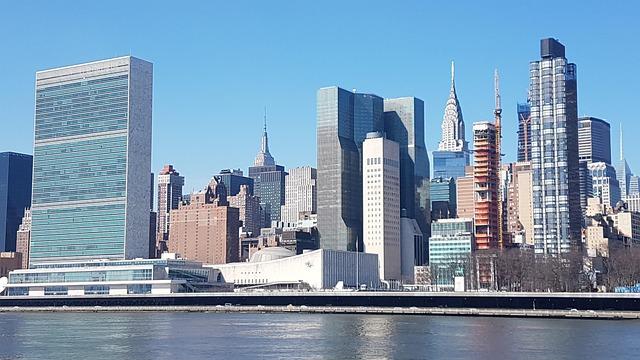
In a significant diplomatic development, the United Nations Security Council has expressed its backing for Morocco’s autonomy plan concerning the disputed territory of Western Sahara. This endorsement, reported by Anadolu Ajansı, marks a pivotal moment in a long-standing territorial conflict that has drawn international scrutiny and debate for decades. The Security Council’s support for Morocco’s proposal aims to foster a peaceful resolution and enhance regional stability in North Africa. As global powers and regional stakeholders assess the implications of this decision, the move underscores a shift in the dynamics of the Western Sahara situation, highlighting the complexities of sovereignty, self-determination, and geopolitical interests in the region. This article delves into the details of the UN’s backing, the historical context of the Western Sahara dispute, and the potential ramifications for both Morocco and the Sahrawi people.
UN Security Council Endorses Morocco’s Autonomy Proposal for Western Sahara
The United Nations Security Council has taken a significant step by formally endorsing Morocco’s autonomy proposal for Western Sahara, a region that has been a subject of protracted territorial disputes. This endorsement signals a potential shift in addressing one of Africa’s longest-standing conflicts. The plan is centered around granting a high degree of autonomy to the region while ensuring Morocco’s sovereignty, aiming to foster stability and facilitate development in Western Sahara.
Key elements of the proposal highlighted in the Security Council’s discussion include:
- Regional Stability: Promoting peace and security through a locally governed framework.
- Economic Development: Encouraging investment and infrastructure improvements in the region.
- Local Governance: Empowering the Sahrawi people to have a say in their governance and development.
As the international community continues to assess this endorsement, it remains to be seen how various stakeholders will respond and whether this will lead to a sustainable resolution to the ongoing standoff.
Analyzing the Implications of the Decision on Regional Stability and International Relations
The endorsement of Morocco’s autonomy plan for Western Sahara by the UN Security Council carries significant implications for both regional stability and the broader framework of international relations. This decision may reshape the dynamics of power in North Africa, potentially diminishing support for the independence movements in the region. Countries observing the situation will likely recalibrate their diplomatic stances, while local actors realign their strategies accordingly. Some potential outcomes include:
- Strengthened Moroccan Control: The decision may enhance Morocco’s authority over Western Sahara, promoting a sense of stability within its borders.
- Shift in Alliances: Nations previously supportive of the Sahrawi Arab Democratic Republic might reconsider their positions, leading to new bilateral and multilateral relationships.
- Increased Tensions: The move could intensify tensions with Algeria, which supports the Sahrawi cause, exacerbating regional conflicts.
Moreover, the international response to this development could redefine how global governance organizations approach long-standing territorial disputes. The decision underscores the importance of aligning national interests with international law, raising questions about the effectiveness of the UN’s role in conflict resolution. Key considerations include:
- Impact on the UN’s Credibility: Supporters may argue that the decision strengthens international law when it aligns with geopolitical realities, while critics may see it as undermining self-determination.
- Influence on Future Resolutions: This event may set a precedent for handling similar territorial disputes globally, with implications for both established and emerging conflicts.
- Encouragement for Negotiations: Ultimately, this decision could serve as an impetus for parties to engage in meaningful dialogues about a sustainable resolution.
Recommendations for Stakeholder Engagement and Future Negotiation Strategies in Western Sahara Solutions
To effectively navigate the complexities of stakeholder engagement in the context of Western Sahara, it is crucial to prioritize transparency and inclusivity in dialogue. Emphasizing the voices and perspectives of local communities can foster mutual understanding and trust among stakeholders. Engaging civil society organizations and grassroots groups can provide valuable insight into the needs and aspirations of the Sahrawi people, which should be at the core of any negotiation framework. Furthermore, establishing regular communication channels among all parties involved, including Morocco, the Sahrawi Arab Democratic Republic (SADR), and international actors, can facilitate ongoing dialogue and reduce misunderstandings.
Future negotiation strategies must incorporate flexibility and adaptability to respond to the evolving situation in Western Sahara. Developing a framework for negotiation needs to be accompanied by a set of clear objectives and measurable outcomes. A strategic approach could include forming a coalition of international partners to support mediating efforts, ensuring that commitments made by stakeholders are upheld. Additionally, implementing confidence-building measures, such as joint socio-economic initiatives, can pave the way for a more constructive atmosphere conducive to dialogue. The following table outlines essential elements for successful negotiations:
| Element | Description |
|---|---|
| Inclusivity | Engage all stakeholders, including local communities and civil society. |
| Transparency | Maintain open channels of communication to build trust among parties. |
| Flexibility | Adapt strategies as the situation evolves to better address concerns. |
| Confidence-building | Initiate joint projects that benefit all parties, fostering goodwill. |
To Wrap It Up
In conclusion, the UN Security Council’s endorsement of Morocco’s autonomy plan for Western Sahara marks a significant development in the long-standing territorial dispute over the region. This decision not only highlights the international community’s recognition of Morocco’s efforts to seek a peaceful resolution but also underscores the importance of dialogue and negotiation in addressing complex geopolitical issues. As the situation in Western Sahara continues to evolve, it remains crucial for all parties involved to engage constructively in pursuit of a sustainable solution that respects the aspirations of the Sahrawi people. The implications of this endorsement will undoubtedly reverberate throughout the region and beyond, shaping future discussions on self-determination, sovereignty, and conflict resolution in North Africa. As the dynamics unfold, closer attention will be required to ensure that peace and stability are achieved.