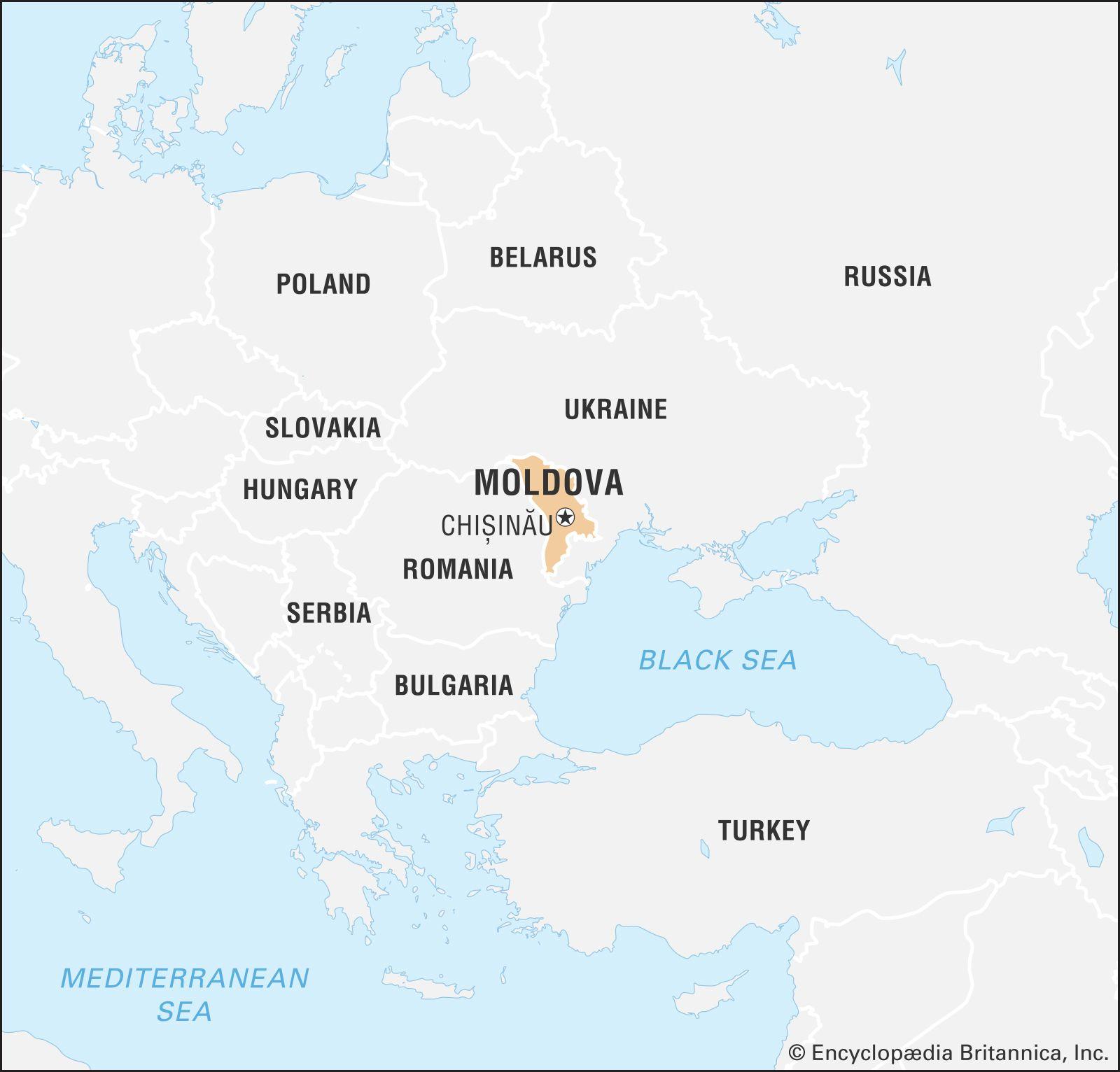
In the heart of Eastern Europe, Moldova stands at a precarious crossroads, facing formidable challenges on multiple fronts. As the specter of Russian influence looms large, the small nation grapples not only with external aggression but also with profound internal divisions that threaten its stability. The recent report by the Carnegie Endowment for International Peace aptly titled “Moldova’s Twin Battles: Russia from Abroad, Proxies and Fragmentation at Home” delves into the intricate dynamics of this geopolitical struggle. Highlighting the interplay between foreign meddling and domestic strife, the analysis underscores the urgent need for vigilance and resilience as Moldova navigates a complex landscape shaped by powerful external forces and the specter of fragmentation within its own borders. As the stakes rise, the resilience of Moldova’s institutions and its ability to maintain sovereignty in the face of mounting pressures will be critical not only for its future but for the broader stability of the region.
Moldova’s Strategic Vulnerability Amidst Russian Aggression and Internal Divisions
Moldova finds itself at a critical juncture, grappling with both external and internal challenges that threaten its sovereignty and stability. The ongoing Russian aggression in the region compounds Moldova’s precarious situation, as it faces pressure from Moscow both directly and through influence over local political factions. This external threat is exacerbated by internal divisions, where various groups exhibit differing loyalties and objectives. In particular, the pro-Russian sentiment among certain segments of the population and political elite poses a formidable barrier to national unity, complicating the government’s efforts to maintain a cohesive defense against outside manipulation.
The internal landscape is marred by fragmentation, as opposition parties aligned with Russian interests attempt to exploit socio-economic grievances and ethnic ties. They are adept at leveraging regional discontent, which can manifest in tactics such as political protests and social unrest. This scenario is reflected in the rise of organized groups that operate as proxies for Russian influence, effectively undermining Moldova’s aspirations for European integration. Key factors contributing to these internal dynamics include:
- Economic disparities that fuel discontent with the government
- Ethnic divisions that Moscow has historically manipulated
- Corruption and governance issues that reduce public trust
| Challenges | Impact |
|---|---|
| Russian military presence | Increased regional tensions |
| Pro-Russian political factions | Undermined government stability |
| Public discontent | Heightened calls for protests |
Navigating External Threats and Domestic Fragmentation: A Path Forward for Moldova
As Moldova grapples with the dual challenges of external aggression and internal strife, a multi-faceted approach is essential for bolstering its sovereignty and promoting national cohesion. The intensifying influence of Russia, coupled with the activities of various domestic proxies, exacerbates the fragmentation of society. The government must prioritize efforts to counter misinformation and propaganda while strengthening democratic institutions. Key strategies for navigating these challenges include:
- Enhancing Public Awareness: Implement comprehensive media literacy programs to educate citizens about disinformation campaigns.
- Strengthening Civil Society: Support grassroots organizations that promote unity and resilience against divisive rhetoric.
- International Partnerships: Foster strategic alliances with Western nations to amplify Moldova’s voice in regional security discussions.
Moreover, internal cohesion can be fortified through inclusive dialogue across political and social divides. By fostering a climate of trust and shared purpose, Moldova can resist the seductive pull of extremist ideologies. Economic stability also plays a crucial role, as a thriving economy mitigates vulnerabilities to external interference. Forward-looking measures could include:
| Initiative | Expected Outcome |
|---|---|
| Investment in Infrastructure | Boost local economies and create jobs. |
| Education Reforms | Develop critical thinking skills among youth. |
| Support for SMEs | Encourage entrepreneurship and innovation. |
Strengthening National Unity: Recommendations for Resilience Against Foreign Interference
To fortify national unity in Moldova and mitigate the effects of foreign interference, a multifaceted approach is essential. This includes promoting civic education that emphasizes the importance of democratic values and the dangers of divisive rhetoric. Communities must engage in dialogues that foster inclusivity and common identity, challenging the narratives pushed by external actors. Key recommendations for enhancing resilience include:
- Strengthening civil society organizations to facilitate community engagement and represent diverse factions.
- Investing in media literacy programs that empower citizens to critically evaluate information sources.
- Supporting local initiatives aimed at building cross-cultural understanding among the population.
Moreover, collaboration between governmental and non-governmental sectors is vital in addressing the internal fragmentation caused by proxy influences. It is crucial for policymakers to establish frameworks that encourage dialogue among different political parties and social groups to build consensus around a shared vision. Implementing measures such as:
| Action Item | Description |
|---|---|
| Nationwide Campaigns | Promote national pride and unity through awareness programs. |
| Bipartisan Committees | Create committees to address escalating tensions and foster cooperation. |
| Monitoring Mechanisms | Establish systems to track foreign influence in local politics. |
By implementing these strategies, Moldova can build a robust defense against both external aggression and internal discord, ensuring a resilient society that stands united against pressures from abroad and within.
Future Outlook
As Moldova navigates the complexities of its geopolitical landscape, the dual challenges posed by external Russian influence and internal fragmentation loom large. The ongoing struggle against foreign meddling, coupled with the domestic strife stemming from political and social divisions, underscores the urgent need for cohesive national strategies and robust international support. The Moldovan government, civil society, and international partners must work in tandem to fortify democratic resilience and promote unity. As Moldova stands at this critical juncture, the outcomes of these twin battles will be pivotal not only for the nation itself but also for the broader regional stability in Eastern Europe. Observers will be keen to see how this delicate interplay unfolds in the coming months, as the country seeks to assert its sovereignty and strengthen its path toward a more secure future.