
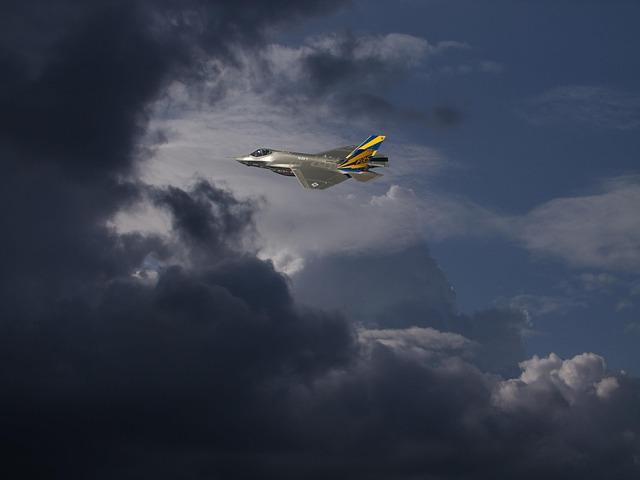
Lockheed Martin has marked a significant milestone in its defense manufacturing capabilities with the completion of the initial production of F-16 Block 70 fighter jets for Bulgaria and Slovakia. This development not only underscores the company’s commitment to enhancing military readiness in Eastern Europe but also highlights the growing collaboration between NATO allies in modernizing their air forces. The F-16 Block 70, known for its advanced avionics and impressive operational capabilities, represents the latest evolution of the iconic Falcon series, ensuring that both Bulgaria and Slovakia will have cutting-edge technology at their disposal. As geopolitical tensions continue to shape global security dynamics, the delivery of these aircraft is poised to bolster the defense posture of both nations while fostering a stronger alliance within the region.
Lockheed Martin Finalizes F-16 Block 70 Production for Eastern Europe in Strategic Military Boost
In a significant stride towards bolstering Eastern Europe’s defense capabilities, Lockheed Martin has successfully finalized the production of the F-16 Block 70 aircraft for Bulgaria and Slovakia. This latest variant of the venerable F-16 fighter jet introduces a suite of advanced technologies that enhance operational effectiveness. Key features of the F-16 Block 70 include:
- Advanced avionics – Utilizing cutting-edge sensor systems to improve situational awareness.
- Enhanced weaponry – Capable of deploying a diverse range of munitions, including precision-guided weapons.
- Improved range – Extended operational reach, allowing for more versatile mission profiles.
This completion marks a pivotal moment in the modernization efforts for both countries, whose air forces are looking to enhance interoperability with NATO allies. The production of the Block 70 not only represents a technological upgrade but also symbolizes a strengthened transatlantic defense commitment. Bulgaria and Slovakia are now poised to enhance their air defense posture, responding more effectively to regional threats and contributing to collective security in Eastern Europe.
| Country | Number of Aircraft Ordered | Delivery Timeline |
|---|---|---|
| Bulgaria | 8 | 2024-2026 |
| Slovakia | 14 | 2024-2026 |
Enhancements in F-16 Block 70 Capabilities for Bulgaria and Slovakia Drive Regional Defense Cooperation
The completion of the initial production of F-16 Block 70 aircraft for Bulgaria and Slovakia marks a significant milestone in regional defense capabilities. These advanced jets are set to enhance the operational effectiveness of both nations, offering a range of new features designed for modern warfare. Key enhancements include:
- Advanced avionics: Cutting-edge systems that improve situational awareness and combat capabilities.
- Enhanced lethality: The ability to carry an expanded arsenal of precision munitions.
- Interoperability: Improved compatibility with NATO forces, facilitating joint operational missions.
The focus on defense cooperation between Bulgaria and Slovakia is further underscored by the strategic implications of these aircraft. As both countries seek to bolster their airpower, the shared acquisition of the F-16 Block 70 serves as a catalyst for deeper military collaboration. This alliance not only enhances their collective security posture but also supports regional stability through the integration of advanced technologies. In this context, the benefits anticipated from the F-16 Block 70 program extend beyond mere procurement, fostering stronger ties between the two nations and contributing to broader NATO objectives.
Industry Experts Recommend Focus on Continued Investment in Advanced Military Technology for NATO Allies
As geopolitical tensions persist and new security challenges emerge, industry experts emphasize the criticality of ongoing investments in advanced military technology among NATO allies. The recent completion of initial F-16 Block 70 production for Bulgaria and Slovakia by Lockheed Martin underscores this sentiment, as these advanced aircraft will significantly enhance the operational capabilities of both nations. The F-16 Block 70 model is recognized for its modernized avionics, improved weapon systems, and enhanced situational awareness, aligning fully with NATO’s strategic objectives and the need for collective defense in a rapidly evolving landscape.
Analysts contend that the acquisition of such high-tech assets not only boosts individual national defense frameworks but also reinforces collective security efforts. Key features of the F-16 Block 70 aircraft include:
- Advanced avionics and cockpit systems for superior communication and navigation.
- Enhanced weapon capabilities that integrate a wide array of munitions.
- Improved maintainability that ensures optimized aircraft readiness and longevity.
Furthermore, the procurement process serves as a model for other NATO members who are eyeing modernization efforts. By collaborating on defense purchases and sharing technology, NATO allies can foster a more unified and robust defense posture. The ongoing partnership between nations in acquiring advanced military systems sets a precedent for future investments, vital for ensuring peace and security in an unpredictable global environment.
Wrapping Up
In conclusion, Lockheed Martin’s successful completion of the initial production runs for the F-16 Block 70 fleets destined for Bulgaria and Slovakia marks a significant advancement in the defense capabilities of these nations. This milestone not only highlights Lockheed Martin’s commitment to enhancing global security through technological innovation but also reinforces NATO’s collective defense posture in Eastern Europe. As these new aircraft are poised to bolster air superiority and interoperability in the region, both Bulgaria and Slovakia are taking strategic steps towards modernizing their military forces. The delivery of these advanced fighter jets is anticipated to play a crucial role in addressing contemporary security challenges while contributing to the stability and defense readiness of their respective air forces. With this development, the partnership between the United States and its Eastern European allies continues to strengthen, paving the way for future collaborations in defense procurement and modernization efforts.










