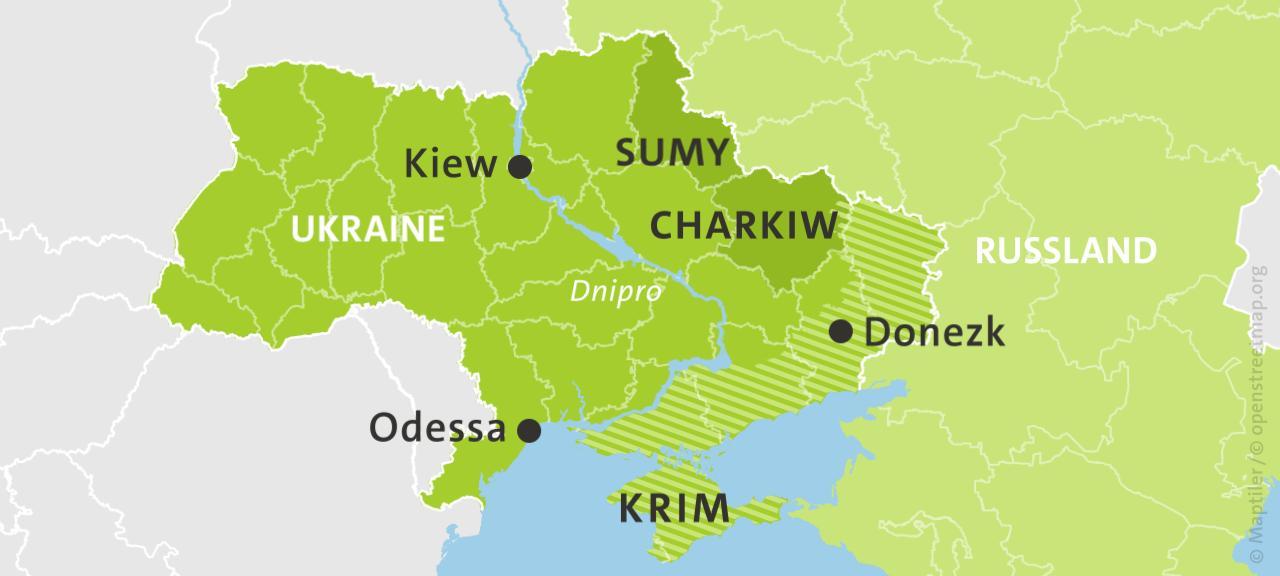
As Ukraine grapples with the severe consequences of its ongoing conflict, the pressing issue of landmines and unexploded ordnance has emerged as a critical challenge for humanitarian efforts and long-term recovery.With extensive areas rendered unsafe, Ukrainian authorities are actively seeking effective strategies from other countries to address this urgent problem. Croatia serves as a notable case study, having successfully navigated post-conflict demining after the Yugoslav Wars. This article explores valuable lessons Ukraine can draw from Croatia’s demining practices, adaptable techniques available for implementation, and their potential effects on civilian safety and recovery in this war-impacted region.
Analyzing Croatia’s Demining Methods and Their Significance for Ukraine
The situation in Ukraine highlights an immediate necessity for comprehensive demining strategies similar to those effectively utilized by Croatia following the Balkan Wars. Croatian officials have developed a systematic approach that integrates advanced technology with community involvement, ensuring that local populations play a vital role in recovery efforts. By adopting these methodologies, Ukraine aims to expedite the restoration of war-torn areas while improving safety for returning displaced individuals. Key elements of Croatia’s strategy that could be advantageous for Ukraine include:
Centralized Government Coordination: Establishing an authoritative body to efficiently manage demining operations.
International Collaborations: Partnering with global organizations for technical expertise and financial backing.
Community Awareness Campaigns: Educating residents about the risks associated with unexploded ordnance.
Additionally, Croatia employs a phased approach prioritizing clearance in severely impacted regions first. This method not only ensures judicious use of resources but also allows measurable progress in areas requiring immediate attention. By utilizing data analytics alongside innovative detection technologies,Croatia has effectively mapped hazardous zones-an approach that could streamline processes within Ukraine as well. The table below illustrates Croatia’s phased demining process alongside its potential application within Ukrainian contexts:
Phase
Croatia’s Approach
Plausible Application in Ukraine
1
Assessment of affected regions
Conduct thorough land evaluations to identify critical zones.
<
tr><
td > 2
<
td > Community training programs
<
td > Supporting local volunteers in demining activities
<
/ tr >
<
/ tbody >
<
/ table >
Lessons from Croatia’s Successful Demining Strategies
Croatia’s experience with post-conflict demining offers crucial insights into managing such complex operations effectively. The Croatian model emphasizes strong community engagement and collaboration among stakeholders throughout the demarcation process. Involving local residents fosters ownership while enhancing safety through their familiarity with affected territories.
Moreover,prioritizing high-risk zones based on detailed risk assessments demonstrates how data-driven strategies can optimize resource allocation towards areas most needing intervention-ultimately improving civilian safety.
Moreover,advancements in technology have significantly transformed demining practices; lessons learned here are invaluable for future initiatives in Ukraine.The integration of geographic data systems (GIS) along with drone technology has improved mapping capabilities related to contaminated sites-leading to more precise methods during clearance operations.Training programs specifically designed for mine detection teams have also proven essential in developing skilled personnel necessary for effective execution of these tasks.
Combining community involvement with technological innovation and strategic resource distribution creates a robust framework guiding Ukraine toward an efficient comprehensive demining initiative.
Strategic Recommendations for Enhancing Ukraine’s Demining Program Based on Croatian Experiences
Ukraine is well-positioned to refine its own demining strategy by learning from Croatian experiences-a nation adept at adapting during post-conflict reconstruction following its tumultuous history after the Yugoslav Wars.
Key recommendations derived from observing successful elements within Croatia’s model include:
<
li >< strong > Prioritization of High-Risk Areas: Rapidly identifying contaminated locations is crucial not only for protecting civilians but also facilitating infrastructure rehabilitation.<
/ li ><
li >< strong > Local Community Involvement: Engaging locals throughout all stages fosters trust while educating them about necessary safety measures.<
/ li ><
li >< strong > Training Initiatives & Capacity Development: Implement rigorous training programs similar those established by Croatians which prioritize developing skilled human resources.<
/ li >
Moreover , integrating cutting-edge technologies along with fostering international partnerships proved pivotal during Croatias’ success . Utilizing advanced mapping tools coupled explosive detection systems enhanced operational efficiency significantly . Thus , it would be prudent consider :
>
<< tr >>
<< td >> Drone Surveillance<< / td >>
<< td >> Aerial imagery used map contaminated regions .< br /> <<
/
t d >
<<
t d >> Ground-Penetrating Radar<< /
t d >>
<<
t d >> Accurately detecting buried explosives .< br /> <<
/
t d >
<<
t d >> Robotic Demining Systems<< /
t d >>
<<
t d >> Minimizing human risk high-threat environments .< br /> <<
/
t d >
<>
tr />
<>
tbody />
<>
table />
Final Thoughts
As it embarks upon its challenging journey toward post-war recovery , insights gleaned from Croatias extensive experiences offer hope amidst challenges faced ahead.Lessons drawn reflect necessity systematic approaches combined active civic participation alongside global cooperation .While striving reclaim territories ensure citizen security , collaboration experts originating elsewhere highlights resilience nations previously afflicted warfare emphasizing importance knowledge transfer overcoming legacies left behind conflicts.
With global attention focused upon Ukrainians strides forward towards healing past wounds , ancient lessons serve as vital guideposts paving way safer more secure future ahead .
With a solid foundation in the field of visual arts, gained notably in the entertainment, political, fashion, and advertising industries, Miles Cooper is an accomplished photographer and filmmaker. After spending over five years traveling all around the world, but mainly in Asia and Africa, he broadened his perspective and cultural understanding. A passionate educator, he shared his knowledge for several years before fully dedicating himself to digital content creation. Today, he is a leading figure in the blogging world, with several successful websites such as asia-news.biz, info-blog.org, capital-cities.info, and usa-news.biz