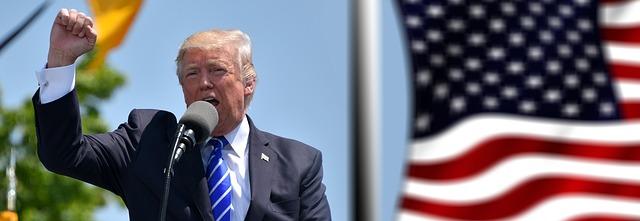
In recent months, the Trump administration has intensified its rhetoric concerning Venezuela, signaling a more aggressive stance that has raised alarms among leaders across Latin America. The U.S. government’s military maneuvers and stern statements regarding the beleaguered nation of Venezuela, which is grappling with a deepening political and economic crisis, have sparked fears of potential intervention and regional instability. As President Trump and his advisors voice their intentions to support opposition forces and deepen sanctions against the Maduro regime, the implications of this escalating rhetoric are reverberating throughout the region. This article explores the motivations behind the administration’s heightened focus on Venezuela, the reactions from neighboring countries, and the potential consequences for inter-American relations and geopolitical stability.
Trump’s Toughened Stance on Venezuela Heightens Tensions Among Latin American Leaders
The recent escalation in rhetoric regarding Venezuela from Trump’s administration has sparked growing concern among leaders across Latin America, as many fear that heightened military posturing could lead to unintended consequences. Venezuela’s precarious political climate, exacerbated by crippling economic sanctions, has led to increased instability, prompting voices from multiple nations urging for a unified regional response. Regional leaders are becoming more vocal about the potential repercussions of U.S. involvement in Venezuelan affairs, advocating for dialogue and diplomatic solutions over military interventions. This sentiment is grounded in a shared history of U.S. interventions that have often complicated already delicate situations in the hemisphere.
In response to Trump’s toughened stance, several countries have initiated discussions to reinforce diplomatic channels and reduce tensions in the region. Key points of concern include:
- Potential spillover effects of conflict in Venezuela on neighboring countries.
- The humanitarian crisis that has resulted from years of economic mismanagement and political repression.
- Maintaining sovereignty and regional autonomy against external influence.
To illustrate the gravity of the situation, the following table outlines the current diplomatic positions of select Latin American countries regarding U.S. military options in Venezuela:
| Country | Position on U.S. Intervention |
|---|---|
| Mexico | Opposes military intervention; advocates for diplomatic solutions. |
| Argentina | Supports a peaceful resolution through regional alliances. |
| Brazil | Calls for dialogue but remains open to humanitarian aid. |
| Colombia | Concerned about border security; favors cautious approach. |
Analyzing the Military Maneuvers: Strategic Implications for Regional Stability
Recent military maneuvers and heightened rhetoric surrounding Venezuela have raised significant concerns among regional leaders, prompting urgent discussions about potential shifts in stability across Latin America. The implications of such actions extend beyond Venezuela’s borders, impacting diplomatic relations and security strategies in neighboring countries. Leaders are particularly wary of a few key factors:
- Increased Tensions: The escalation of military presence suggests a willingness to engage in direct confrontation, potentially drawing in regional allies.
- Regional Power Dynamics: Latin American countries may feel pressured to recalibrate their alliances and military readiness in response to perceived threats.
- Economic Ramifications: Instability may ripple through trade relationships, prompting concerns over sanctions or economic blockades.
To better understand the potential shifts in regional stability, consider the following table which outlines possible responses from neighboring nations:
| Country | Response Strategy | Potential Risks |
|---|---|---|
| Colombia | Increased military readiness | Risk of escalation along the border |
| Brazil | Diplomatic intervention efforts | Strained relations with the U.S. |
| Argentina | Regional coalition building | Polarization within MERCOSUR |
This evolving scenario underscores the necessity for regional leaders to carefully navigate their positions, balancing national security interests with the overarching goal of maintaining diplomatic stability in a region already grappling with numerous challenges.
Calls for Diplomacy: Recommendations for U.S. Policy in the Face of Escalating Rhetoric
As tensions mount in Venezuela, U.S. policymakers must pivot towards a strategy that prioritizes diplomacy over aggressive posturing. Engagement should be the cornerstone of U.S. foreign policy, emphasizing open communication channels not only with the Venezuelan government but also with regional allies who share a vested interest in stability. The current trajectory of military maneuvers and incendiary rhetoric risks alienating potential partners and could inadvertently escalate conflict. Key recommendations for a diplomatic approach include:
- Establishing back-channel communications with Venezuelan authorities to facilitate dialogue.
- Collaborating with neighboring countries to create a unified regional approach to support peaceful resolutions.
- Promoting humanitarian aid initiatives that alleviate suffering without politicizing assistance.
- Encouraging international mediation, potentially involving respected third-party nations or organizations.
Additionally, the U.S. should adopt a balanced stance that recognizes the complexities of Venezuelan politics. This entails avoiding overtly aggressive tactics while maintaining a firm stance against human rights violations. Constructive engagement can be further reinforced through diplomatic incentives, including lifting certain sanctions in exchange for progress on democratic reforms. A clear framework for dialogue should also address regional security concerns, ensuring that local leaders feel secure in their sovereignty while fostering stability across the continent. The following framework outlines potential policy actions:
| Action | Description |
|---|---|
| Negotiation Talks | Facilitate meetings between U.S., Venezuelan, and regional officials. |
| Humanitarian Support | Increase aid to address food and medical shortages. |
| Joint Security Initiatives | Coordinate with Latin American countries to combat drug trafficking and violence. |
In Summary
In conclusion, the rise of aggressive rhetoric and military posturing from the Trump administration regarding Venezuela has sent ripples of concern throughout the region. As leaders from neighboring countries watch closely, the potential for increased tensions looms large, raising questions about the future stability of Venezuela and its impact on Latin America as a whole. The unfolding situation underscores the delicate balance of diplomacy and military strategy in U.S.-Latin American relations. As the world contemplates the implications of these developments, the need for measured, thoughtful engagement becomes ever more critical in addressing the complex realities on the ground in Venezuela and beyond.