
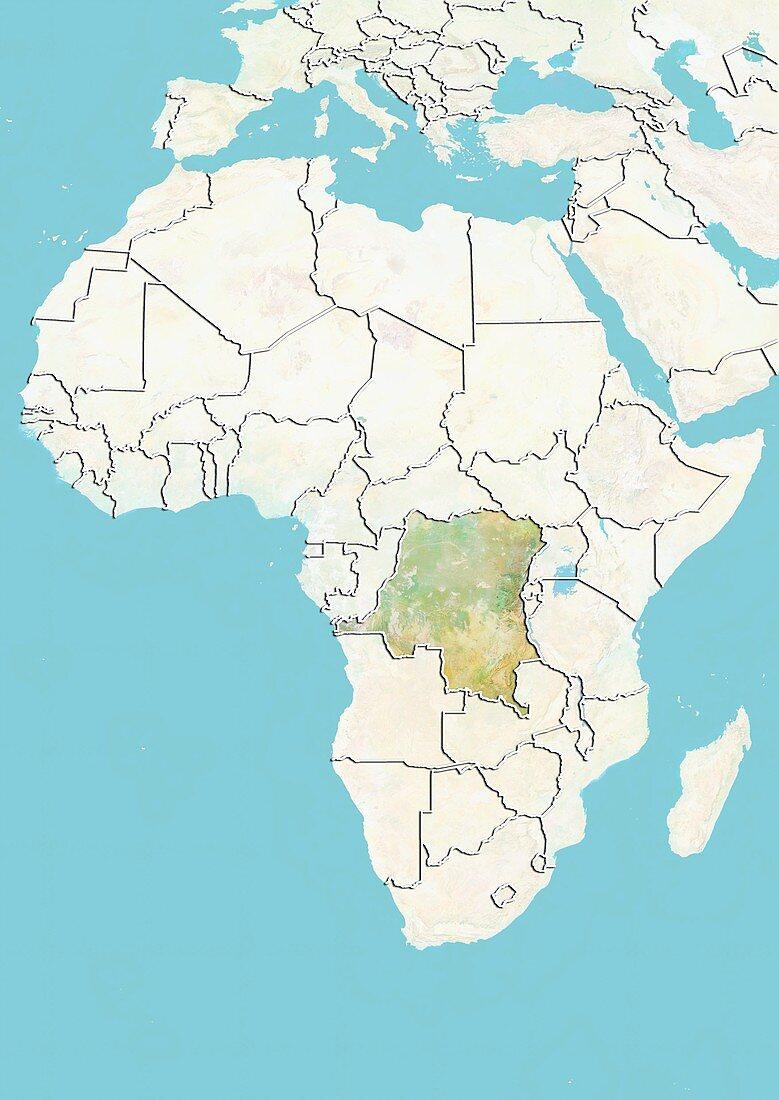
In a region long marred by conflict and instability, the recent agreement between the Democratic Republic of the Congo (DR Congo) and Rwanda has sparked hopeful discussions about peace and reconciliation. However, skepticism lingers among analysts and local communities alike, raising the pressing question: Is this a genuine turning point towards lasting stability, or merely a superficial maneuver with little substantive impact? This article delves into the complexities of the DR Congo-Rwanda deal, examining the historical context of their fraught relationship, the immediate implications of the agreement, and the broader geopolitical dynamics at play. As both nations grapple with their past and navigate a tumultuous present, the possibility of peace hangs in the balance, poised between promise and peril.
Analyzing the Historical Context of the DR Congo-Rwanda Deal
The historical backdrop of the DR Congo-Rwanda deal is fraught with complexities stemming from decades of conflict, ethnic tension, and geopolitical maneuvering. The influence of the 1994 Rwandan Genocide on regional dynamics cannot be overstated, as it propelled waves of refugees across borders, particularly into eastern Congo. This migration set off a chain reaction, leading to the establishment of armed groups and a cycle of violence that has persisted for over two decades. Furthermore, the interests of external powers and neighboring countries in the rich mineral resources of the DRC have exacerbated the situation, complicating peace efforts as factions vie for control and influence.
In this context, the recent deal between the DR Congo and Rwanda symbolizes a potential shift, but skepticism remains high. Key points to consider include:
- Past Agreements: Numerous past agreements have failed to bring lasting peace, leading many to question the sincerity and commitment behind this latest initiative.
- Ethnic Relations: Deep-rooted ethnic rivalries must be addressed to foster genuine reconciliation and effective governance.
- International Involvement: The role of international organizations and neighboring countries will be crucial in ensuring that any agreement translates into real actions on the ground.
To visualize the impacts and historical significance of key events leading to this moment, the table below highlights pivotal years and their outcomes:
| Year | Event | Impact |
|---|---|---|
| 1994 | Rwandan Genocide | Massive refugee influx into DRC, increased ethnic tensions |
| 1996-2003 | First and Second Congo Wars | Power vacuums and establishment of armed groups |
| 2012 | Formation of M23 Rebel Group | Renewed conflicts in Eastern DRC, Rwanda’s alleged involvement |
| 2022 | DR Congo-Rwanda Deal | Potential for a new peace initiative amidst continued skepticism |
Implications for Regional Stability and Security Dynamics
The recent agreement between the Democratic Republic of the Congo (DR Congo) and Rwanda has sparked significant debate regarding its potential impact on regional stability. On one hand, supporters argue that the diplomatic engagement could serve as a foundation for lasting peace, addressing mutual concerns over security threats posed by non-state actors and armed groups operating along the shared border. Key elements of the deal include:
- Joint Security Operations: Initiatives aimed at combating militia groups like the M23, which have destabilized both nations.
- Increased Diplomatic Engagement: Structured forums for dialogue to preemptively address grievances and military confrontations.
- Resource Sharing: Collaborative agreements focused on resource management that may alleviate economic tensions.
Conversely, skeptics assert that historical animosities and the intricate web of local politics might undermine the long-term viability of the agreement. The region’s complex security dynamics are influenced by various factors, such as:
- Ethnic Tensions: Deep-rooted divisions that fuel mistrust between communities and governments.
- External Influences: The role of international actors whose interests may not align with the pursuit of peace.
- Legacy of Conflict: Previous agreements that have failed to deliver on promises, leading to a cycle of despair.
Pathways to Sustainable Peace: Recommendations for Stakeholders
In light of the recent developments between DR Congo and Rwanda, stakeholders must prioritize collaborative strategies to foster enduring peace in the region. To achieve this, it is essential to implement the following recommendations:
- Engagement with Local Communities: Promoting dialogue initiatives that involve local populations in peace-building efforts can enhance trust and mutual understanding. Grassroots involvement is crucial for sustainable conflict resolution.
- Strengthening Regional Cooperation: Regional bodies such as the African Union and the East African Community should enhance their roles in mediating and monitoring agreements, ensuring accountability and progress.
- Investment in Development: Economic initiatives that focus on infrastructure, education, and health can mitigate drivers of conflict, addressing the root causes of tension in the region.
- Empowering Women and Youth: Ensuring the participation of women and youth in peace dialogues and decision-making fosters inclusivity and empowers those often marginalized in conflict situations.
The international community, particularly donor countries and organizations, can further facilitate peace by committing to sustained financial and technical support for reconciliation efforts. A comprehensive approach should involve:
| Area of Support | Key Actions |
|---|---|
| Human Rights Monitoring | Establish independent monitoring bodies to report on human rights violations and ensure justice for victims. |
| Conflict Resolution Training | Provide training programs for community leaders and mediators to equip them with skills necessary for peaceful conflict resolution. |
| Support for Displaced Persons | Enhance humanitarian assistance and rehabilitation programs for refugees and internally displaced individuals to restore their livelihoods and dignity. |
Key Takeaways
In conclusion, the recent agreement between the Democratic Republic of Congo and Rwanda marks a significant moment in a long-standing conflict characterized by distrust and regional rivalry. While the deal reflects a willingness to engage in dialogue, questions remain regarding its implementation and the commitment of both governments to address the root causes of their tensions. Observers are cautiously optimistic, hoping that this agreement could pave the way for sustainable peace in a region fraught with instability. However, as history has shown, agreements alone do not guarantee resolution; they require genuine political will and proactive measures to foster trust and cooperation. The international community’s role in supporting this process will be crucial in determining whether this initiative signifies a turning point towards lasting peace or merely another futile attempt at reconnecting fractured ties. As the situation unfolds, the eyes of both nations and the world will remain fixed on the outcomes of this pivotal moment.










