
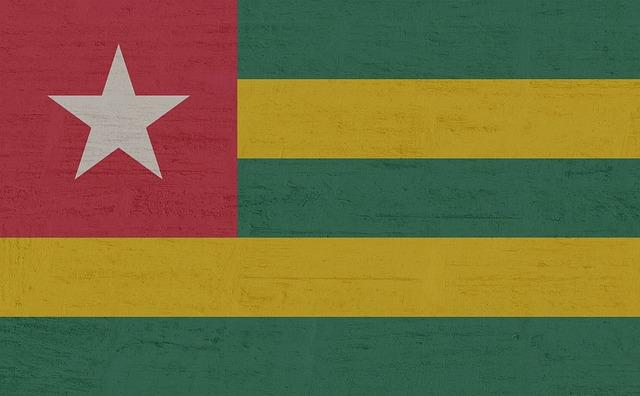
In a tragic escalation of unrest, at least seven individuals have lost their lives during protests in Togo, where citizens are expressing their discontent with the prolonged rule of President Faure Gnassingbé. The demonstrations, which erupted in response to widespread grievances over political repression and calls for democratic reforms, have rapidly intensified, leading to violent confrontations between protesters and security forces. This latest wave of civil dissent highlights the deep-seated frustrations within Togolese society as citizens demand an end to decades of authoritarian governance. As the situation unfolds, the implications for Togo’s political landscape and stability remain uncertain, raising urgent questions about the country’s trajectory in the face of growing public dissent.
Togo Protests Erupt in Violence Leading to Seven Fatalities
Recent protests in Togo have escalated into violence, resulting in the tragic loss of seven lives amidst growing discontent with President Faure Gnassingbé’s administration. Citizens took to the streets to express their frustration over enduring economic hardships, lack of political freedoms, and calls for a more democratically accountable government. Demonstrators voiced their anger not only at the rising cost of living but also at the perceived authoritarian grip of the administration that has been in power for over 15 years. Clashes between protesters and security forces have marred several cities, with reports of gunfire and brutal crackdowns by law enforcement.
The situation has intensified, leading to widespread condemnation from human rights organizations and local activists who have called for a thorough investigation into the killings. Eyewitness accounts reveal that security forces deployed excessive force in attempts to disperse crowds, heightening fears among citizens regarding their safety and ability to voice dissent. As the nation grapples with this crisis, key issues have emerged in public discourse:
- Lack of Political Reform: Calls for a fair electoral process and the reinstatement of constitutional amendments to limit presidential terms.
- Economic Disparities: Escalating prices for essential goods and stagnant wages have fueled frustrations across various demographics.
- Human Rights Violations: Reports of repression against dissenters and arbitrary arrests raise alarms about the state of civil liberties.
Local and international responses are critical as the government faces increasing pressure to address these pressing concerns. As demonstrations continue and the situation remains volatile, the world watches closely, hoping for a peaceful resolution to the unrest that has gripped Togo.
Examining the Underlying Causes of Discontent Against President Gnassingbé
The current wave of protests in Togo, leading to the tragic loss of seven lives, cannot be divorced from a broader context of growing discontent with President Gnassingbé’s long-standing regime. Frustration among citizens has reached a boiling point due to numerous factors, including persistent economic challenges, rampant corruption, and political repression. For many, the government’s failure to address basic needs such as employment, healthcare, and education has deepened feelings of disenfranchisement. Moreover, the ongoing political dynasties that have characterized the leadership in Togo for decades have fostered a pervasive sense of hopelessness among the populace, who increasingly view the system as rigged against their interests.
In examining the multitude of grievances ailing the country, several key issues stand out as major contributors to the unrest:
- Economic Mismanagement: Skyrocketing prices and unemployment rates have strained household budgets.
- Human Rights Violations: Increasingly repressive measures against dissent have stifled any meaningful opposition.
- Lack of Democratic Reforms: The absence of equitable electoral processes has fueled skepticism about the government’s legitimacy.
A stark reminder of these grievances can be highlighted in the table below, summarizing public sentiment in recent surveys:
| Issue | Percentage of Respondents Affected |
|---|---|
| Economic Hardship | 75% |
| Political Oppression | 68% |
| Corruption | 82% |
Pathways to Peaceful Resolution and Democratic Reforms in Togo
The recent protests in Togo, which tragically resulted in the loss of seven lives, have underscored the urgent need for a comprehensive approach to address the political unrest and social discontent stemming from President Gnassingbé’s prolonged rule. To pave the way for peaceful resolution and democratic reforms, it is crucial to engage multiple stakeholders, including civil society, opposition parties, and international entities. Key actions could include:
- Dialogue Initiatives: Establishing platforms for dialogue between the government and opposition to facilitate understanding and conflict resolution.
- Electoral Reforms: Implementing changes to ensure free, fair, and transparent elections that reflect the will of the people.
- International Mediation: Inviting neutral parties to help mediate discussions and foster a conducive environment for reform.
- Human Rights Commitments: Strengthening the protection of civil liberties and addressing grievances regarding police and military conduct during protests.
Moreover, it is essential to focus on grassroots movements that promote community engagement and democratic practices at the local level. Strengthening civic education and encouraging youth participation in governance can empower the next generation to advocate for their rights and contribute to a culture of democratic accountability. The following table illustrates potential opportunities to foster grassroots activism:
| Opportunity | Description |
|---|---|
| Civic Education Workshops | Training citizens on their rights and the electoral process. |
| Community Forums | Organizing local meetings to discuss political issues and solutions. |
| Youth Leadership Programs | Involving young people in leadership roles within local organizations. |
| Awareness Campaigns | Promoting issues around governance and civic responsibilities through media. |
Closing Remarks
In conclusion, the recent protests in Togo, which have resulted in the tragic deaths of seven individuals, underscore the mounting tensions surrounding President Faure Gnassingbé’s long-standing regime. The demonstrations, sparked by a combination of economic dissatisfaction and calls for political reform, highlight the deep-seated frustrations among the Togolese populace. As the government faces growing pressure for accountability and change, the risks of further unrest remain high. The international community is closely monitoring the situation, calling for restraint and dialogue to prevent further violence. The unfolding events in Togo not only reflect the local struggles for governance and democracy but also resonate with broader movements across the region, as citizens continue to demand their voices be heard.










