
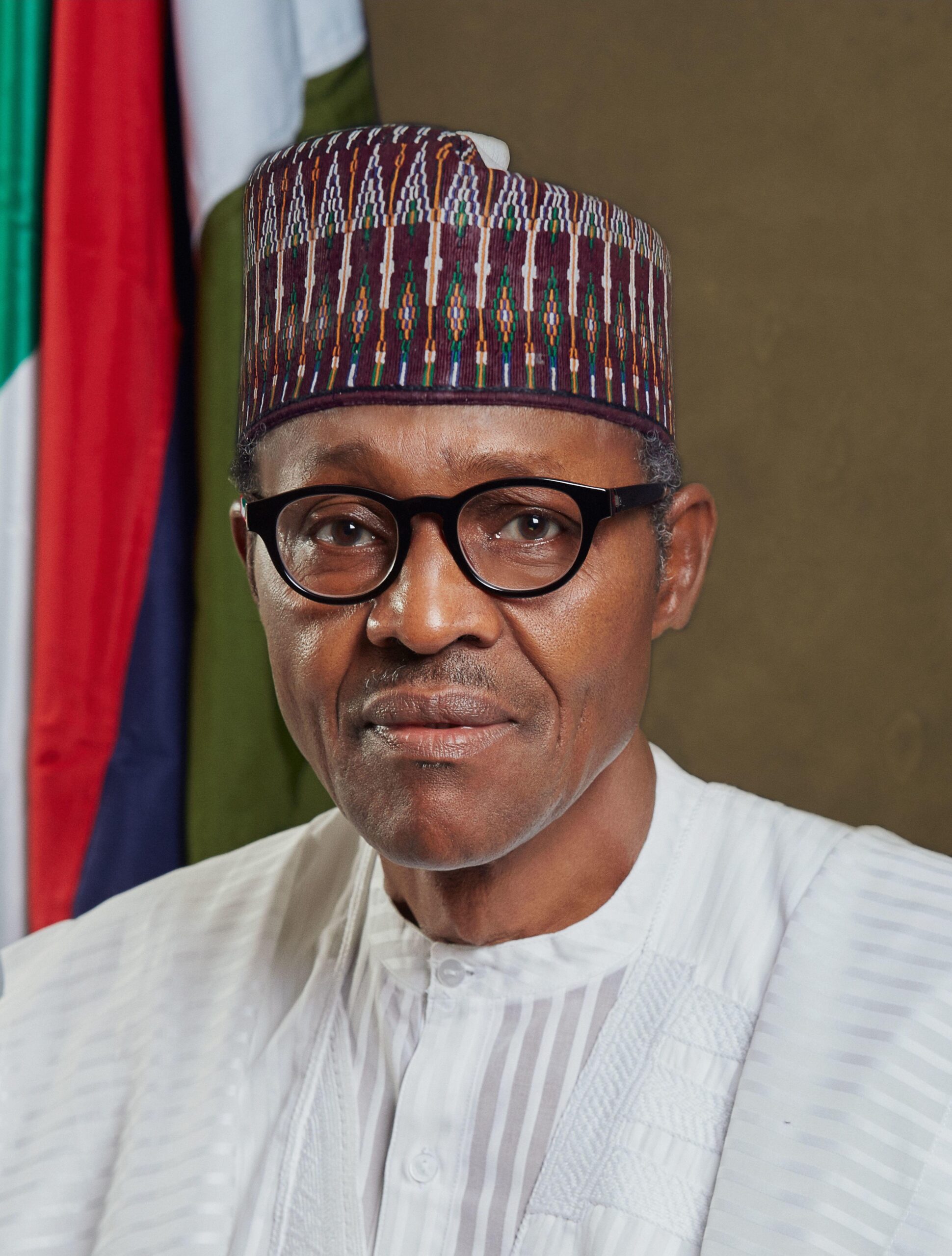
Former Nigerian leader Muhammadu Buhari has reportedly died in London, as confirmed by a statement from Reuters. Buhari served as president from 2015 to 2023 and was a important figure in Nigeria’s political landscape, known for his military background and efforts to combat corruption while improving national security. His passing marks a critical juncture for Nigeria, which continues to grapple with various challenges such as economic instability and regional conflicts. This article explores Buhari’s impactful leadership, his lasting legacy, and the reactions from political figures and the public following this unexpected news.
Buhari’s Impact and Contributions to Nigerian Politics
As Nigeria reflects on Muhammadu Buhari’s contributions, it is essential to assess both his successes and the hurdles he faced during his presidency. His governance was marked by significant economic reforms, aimed at reducing dependence on oil revenues.Key initiatives included:
- Poverty Alleviation Programs: These initiatives were designed to support underprivileged communities, positively affecting millions across Nigeria.
- Agricultural Development: By focusing on agriculture, Buhari’s policies led to increased food production that enhanced food security while lowering import expenses.
- Infrastructure Projects: His government launched numerous infrastructure projects that improved connectivity nationwide and stimulated economic growth.
However, Buhari’s presidency was also overshadowed by several pressing issues that ignited public discourse regarding governance in Nigeria. Among these challenges were:
- Terrorism and Security Challenges: The Boko Haram insurgency along with rising banditry caused widespread unrest affecting local communities and displacing many individuals.
- Civil Liberties Concerns: There were criticisms regarding the treatment of protesters alongside restrictions on freedom of speech which underscored tensions between authorities and civil society organizations.
- Economic Hardships: Despite reform efforts during his tenure, Nigeria continued facing high unemployment rates coupled with inflationary pressures.
| Categorization | Status of Impact |
|---|---|
| Economic Progression | Mixed outcomes; some sectors flourished while others like oil saw declines. |
International Responses Following Buhari’s Passing
The proclamation of Muhammadu Buhari’s death has elicited an outpouring of condolences from global leaders who have acknowledged his contributions as President of Nigeria.Prominent figures have taken various platforms to express their sorrow over this loss while reflecting on Buhari’s influence not only within Nigeria but throughout Africa as well. Among those paying tribute are:
- António Guterres , UN Secretary-General – recognized Buhar i ‘ s crucial role in fostering peace within Nigeria .
- < Strong > Joe Biden , US President – recalled collaborative efforts that strengthened U.S.-Nigeria relations during Buhar i ‘ s time in office .
- < Strong > Ursula von der Leyen , European Commission President – commended him for advocating democracy alongside economic progress.
- < Strong > Cyril Ramaphosa , South African President – praised Buhar i ‘ s leadership addressing continental issues .
< / li >
< / ul >A memorial table has been established honoring key milestones achieved throughout Buhar i ‘s life-serving as a testament to his dedication towards advancing Nigeria :
Year
< / th >Achievement
< / th >Future Implications of Buhari’s Demise for Nigerian Leadership
The death of former president Muhammadu B uhar i signifies a major turning point within Nigerian politics.Buhari ‘s firm stance against corruption coupled with economic reforms left an enduring influence upon society.As Nigerians come together through mourning,this transition will shape future developments substantially :
- < li >< strong > Political Stability :
The capacity among current leaders maintaining governance amidst rising tensions will be essential.
< / strong >< li >< strong > Succession Discussions :
Conversations surrounding potential successors will dominate political discourse moving forward.
< / strong >< li >< strong > Public Perception : Voter sentiment regarding Buha r i ‘s legacy may sway upcoming elections influencing party dynamics .
< / strong >/ ul >This transitional phase necessitates clear leadership strategies among parties aiming at presenting candidates resonating well with citizens whilst addressing critical matters such as security,economic recovery,and national unity.The following table outlines prospective candidates along with their platforms :
Candidates
< / th >Main Platforms
< / th />( ) Aisha Buha r i ( ) ( ) ; Women’s Empowerment,E ducation Reform( ) ; ( ) ;
( )( ) Bola Ahmed Tinubu( ) ( ); Economic Development,I nfrastructure Advancement( );
( )( ) A tiku Abubakar ( ) (td)Reviving Agriculture,(Job Creation)
(
) ;
(
) ;(p)
As this pivotal moment unfolds,the urgency surrounding establishing an effective government becomes paramount guiding Nige ria towards brighter prospects.
Conclusion: A New Chapter for Nigerian Politics
The passing away former president Muham m adu B uhar i signifies an crucial chapter closing within Nige ria ‘s political narrative.B uhar i led from 2015 until 2023 playing crucial roles shaping modern-day Nige ria through policies focused around security measures,a nti-corruption efforts,and e conomic advancements.His approach elicited mixed reactions showcasing complexities inherent when governing one Africa’ s most populous nations.As news spreads concerning h is demise,it invites reflection upon h is lasting impact along w ith implications arising due transitions ahead.N ig eria now faces uncertain times navigating changes brought forth by losing both unifying figure yet polarizing presence.The world watches closely observing how N ig eria maneuvers through these transformative shifts ahead.
Unlocking Tomorrow: H.E. Ambassador Duarte Lopes Shares Visionary Insights on Europe, North Africa, and the Mediterranean
During a recent event hosted by the Stimson Center, participants delved into a captivating discussion about the evolving relationships between...
Read moreDetails









