
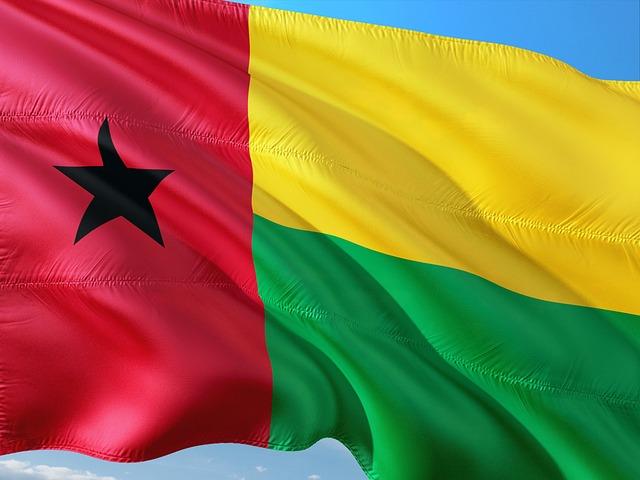
In a significant development for Guinea-Bissau, General Horta Nta Na Man was officially sworn in as the country’s transitional president following a military coup that unsettled the West African nation. The announcement, confirmed by the army, marks a crucial turning point in the political landscape of Guinea-Bissau, which has a turbulent history of coup d’états and governance challenges. With Na Man at the helm, expectations are high for a return to stability as he navigates the complex socio-political environment. As tensions remain high and the international community watches closely, the implications of this leadership change will undoubtedly influence the future trajectory of the nation.
General Horta Nta Na Man Assumes Leadership Amidst Turmoil in Guinea-Bissau
In a dramatic shift of power, General Horta Nta Na Man has been formally installed as the transitional president of Guinea-Bissau following a coup that has once again plunged the nation into uncertainty. The military, asserting that they acted in the best interest of national stability, announced the transition during a press conference where the general vowed to restore order and pave the way for elections. His leadership comes at a time when Guinea-Bissau faces significant challenges including political fragmentation, economic instability, and a history of governance crises.
As he steps into this new role, several priorities have been outlined by the new administration:
- Restoration of order: Ensuring the safety and security of citizens amidst the ongoing unrest.
- Preparation for elections: Commissioning a roadmap for a return to democratic rule within the set timeframe.
- Economic recovery: Addressing the pressing economic issues that have plagued the nation.
- International relations: Re-establishing diplomatic ties with regional and global partners.
Given the complex layers of military and political interaction in Guinea-Bissau, the effects of this leadership change will be closely monitored both domestically and internationally.
Implications of the Coup for Guinea-Bissau’s Political Stability and International Relations
The recent coup in Guinea-Bissau, culminating in General Horta Nta Na Man’s swearing-in as the transitional president, casts a long shadow over the country’s political ecosystem. The military takeover, while promising a semblance of order, raises significant concerns about the sustainability of governance and democratic norms. Observers worry that the military’s grip on power could lead to a cycle of instability, exacerbating the fragmentation of political parties and increasing tensions among various factions. The expectation is that without a clear and inclusive plan for a return to civilian rule, Guinea-Bissau may find itself in a prolonged period of uncertainty that could further alienate the populace from the political process.
On the international stage, the implications are equally critical as regional and global powers recalibrate their diplomatic strategies. The coup could result in diplomatic isolation, as international bodies like the Economic Community of West African States (ECOWAS) and the African Union (AU) often swiftly condemn such actions. Countries may also reconsider their aid and investment strategies, prioritizing stability over support for a regime perceived as illegitimate. The scenarios include:
- Strained bilateral relations with nations that have vested interests in Guinea-Bissau.
- Potential sanctions from regional organizations aimed at restoring democratic governance.
- Heightened risk of economic instability due to decreased foreign investment.
In light of this coup, it becomes paramount to monitor how the transitional government navigates both domestic challenges and foreign diplomacy. The interplay between military authority and civilian governance will be crucial in determining whether this moment in Guinea-Bissau’s history signals a step toward stability or an invitation to continued unrest.
Strategies for a Smooth Transition and Restoration of Democratic Governance in Guinea-Bissau
In the wake of General Horta Nta Na Man’s recent swearing-in as transitional president, Guinea-Bissau faces a crucial moment demanding effective strategies to restore democratic governance. A multi-faceted approach that prioritizes dialogue and inclusion is essential. Key strategies could include:
- Engagement of Civil Society: Involving local communities, NGOs, and advocacy groups to ensure diverse voices are heard in the transition process.
- International Mediation: Facilitating support from international bodies like the African Union and ECOWAS to mediate discussions among political factions.
- Establishment of an Oversight Body: Creating an impartial commission to monitor the transition, focusing on transparency and accountability.
- National Dialogue Forums: Organizing nationwide dialogues to discuss governance issues, encouraging citizens’ participation and fostering trust.
Furthermore, building a robust economic framework is vital to reinforce political stability. This can include:
| Focus Area | Action Steps |
|---|---|
| Economic Recovery | Implement policies targeting local agriculture and trade to stimulate growth. |
| Employment Generation | Launch programs aimed at creating job opportunities for youth. |
| Foreign Investment | Enhance regulatory frameworks to attract and secure foreign investments. |
By focusing on both the political and economic dimensions of governance, Guinea-Bissau can lay the groundwork for a resilient and democratic future that truly reflects the will of its people.
Insights and Conclusions
In conclusion, General Horta Nta Na Man’s swearing-in as Guinea-Bissau’s transitional president marks a significant moment in the country’s ongoing political turmoil following the recent coup. His appointment comes amidst a backdrop of instability and raises critical questions about the future of governance and democracy in the nation. As the international community watches closely, the actions of the new leadership will be pivotal in determining the path forward for Guinea-Bissau. The transition period will demand careful navigation, as citizens and stakeholders alike hope for a restoration of order and a return to democratic principles. Future developments will be crucial in shaping the political landscape, and the coming weeks will likely reveal the intentions and strategies of Na Man’s administration. The unfolding situation remains a focal point for both regional and international observers, as the world looks for signs of stability in one of West Africa’s most volatile nations.










