
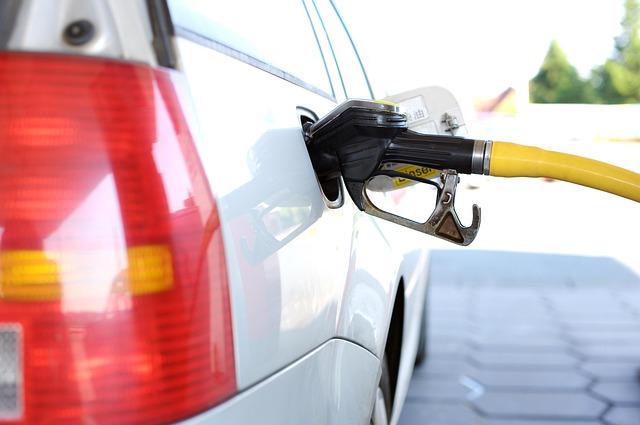
In the heart of Mali’s capital, a desperate struggle for fuel has emerged as a critical issue amid heightened tensions and unrest. As the al-Qaida-linked group, Jama’a Nusrat ul-Islam wa al-Muslimin (JNIM), enforces a blockade, residents and businesses are grappling with the immediate impacts of limited fuel supplies. This escalating crisis not only threatens the daily lives of thousands but also raises concerns over potential broader implications for security and stability in the region. With long lines forming at fuel stations and skyrocketing prices, the situation underscores the intersection of resource scarcity and the ongoing conflict that continues to plague Mali, drawing attention from international observers and humanitarian organizations alike.
Fuel Scarcity Grips Bamako Amid Al-Qaida Blockade and Rising Tensions
As fuel supplies dwindle in Bamako, residents are grappling with the consequences of an ongoing blockade enforced by a local group with ties to Al-Qaida. Gas stations are seen with long lines of desperate motorists, while others have resorted to purchasing fuel from the black market at exorbitant prices. The blockade has sharply curtailed the availability of essential goods, exacerbatting already dire economic conditions. As the cost of transportation surges, many are left questioning how to navigate daily life amidst increasing uncertainty.
This crisis has not only affected private citizens but has also ripple effects on businesses and essential services, amplifying the urgency of the situation. Daily life is becoming increasingly challenging, leading to a range of adaptive strategies among affected individuals and families. Key observations include:
- Rationing of fuel: Households are limiting car use to only essential trips.
- Increased reliance on public transport: Bus services are seeing a rise in passengers as people seek alternatives.
- Community sharing: Neighbors are coming together to share resources and information on where to find fuel.
Impact of the Blockade on Daily Life and Economic Stability in Mali
The ongoing blockade enforced by the al-Qaida-linked group has drastically transformed daily life in Mali’s capital. Residents are grappling with severe shortages of essential resources, particularly fuel. As transportation becomes increasingly limited, the cost of goods has skyrocketed, leading to heightened inflation that affects everyone’s purchasing power. Many families are forced to prioritize their expenditure, often choosing between food and transportation as the scarcity continues. The repercussions of the blockade extend beyond just fuel, as it has also disrupted supply chains, thereby impacting the availability of daily necessities. The once-bustling markets now echo with uncertainty, as traders struggle to maintain their businesses under such stressful conditions.
In addition to daily inconveniences, the blockade has brought significant economic instability to the region. The local economy, which relies heavily on trade and transportation, is witnessing a downturn. Several businesses have had to close their doors permanently due to the inability to operate effectively. The rising unemployment rates have compounded the economic strain, leaving many without sources of income. The following factors illustrate the blockade’s adverse impacts on economic stability:
- Increased Prices: Essential goods are now priced beyond the reach of many residents.
- Limited Employment: Many people have lost their jobs due to business closures.
- Supply Chain Disruptions: Delays in receiving goods have become commonplace.
- Inflation Surge: The cost of living is rising at an alarming rate.
Strategies for Diversifying Fuel Sources and Mitigating Supply Chain Vulnerabilities
As Mali faces acute fuel shortages due to recent blockades enforced by extremist groups, the urgency for energy security becomes paramount. Stakeholders must implement a multifaceted approach to diversify fuel sources, focusing on both traditional and renewable alternatives. Potential strategies include:
- Investment in Renewable Energy: Increasing the capacity for solar, wind, and bioenergy can significantly reduce dependence on imported fuels.
- Diversification of Supply Chains: Establishing partnerships with multiple suppliers across different regions can mitigate risks posed by disruptions.
- Local Production Initiatives: Promoting local oil refining and biofuel production can bolster domestic fuel availability, enhancing resilience against external shocks.
- Community-Based Energy Projects: Engaging local communities in energy projects fosters self-sufficiency and can reduce reliance on centralized power systems.
Additionally, the establishment of a strategic fuel reserve can provide a buffer during emergencies. Proactive measures, such as enhancing transportation infrastructure and investing in alternative delivery mechanisms, are essential to ensure a steady flow of fuel. The following table outlines potential sources and their advantages:
| Source | Advantages |
|---|---|
| Solar Power | Abundant, sustainable, and reduces carbon footprint. |
| Wind Energy | Low operational costs and multiple site suitability. |
| Biofuels | Utilizes local agricultural products, supporting local economies. |
Final Thoughts
As Mali’s capital grapples with the repercussions of a stringent blockade enforced by an al-Qaida-linked group, the desperate search for fuel paints a stark picture of the challenges faced by residents. This crisis not only highlights the immediate logistical hurdles for daily life, but also underscores the broader implications for security, governance, and the socio-economic landscape in the region. As the situation unfolds, international observers and local authorities alike must address the urgent needs of the population while navigating the complexities of an evolving conflict. The plight of those in Bamako serves as a reminder of the fragile state of peace and stability in parts of the Sahel, where humanitarian concerns are increasingly intertwined with matters of national and regional security. Continued vigilance and strategic intervention will be necessary to alleviate the strife inflicted by the blockade and to work toward a sustainable resolution in Mali.










