Title: Addressing the Fisheries Crisis in Senegal: The Rise of Migration to Europe
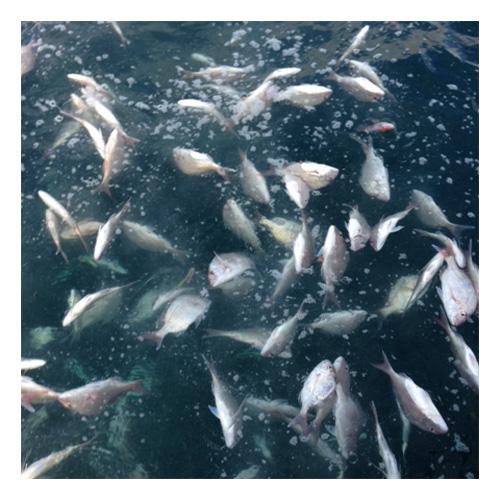
The coastal regions of Senegal are currently facing a critical juncture, as traditional fishing livelihoods come under intense pressure.Overfishing, climate change, and illegal fishing practices have drastically reduced the once plentiful marine resources that sustained local economies and cultural traditions. As fish populations dwindle, the consequences ripple through communities, leading to an escalating crisis characterized by forced migration. This article explores the intricate relationship between Senegal’s fisheries crisis and the increasing trend of migration towards Europe, highlighting personal stories behind this troubling phenomenon. By examining socio-economic and environmental factors at play, we emphasize an urgent need for sustainable solutions that not only protect marine ecosystems but also provide viable alternatives for communities facing displacement.
Economic Impact of Declining Fish Stocks
The decline in fish populations in Senegal has triggered a complex crisis that extends beyond environmental concerns; it poses significant economic challenges for local communities. The depletion of aquatic resources-largely due to overfishing by both local fishermen and foreign fleets-has resulted in diminished catches directly affecting their livelihoods. As traditional sources of sustenance become increasingly unreliable, many individuals face severe economic hardships characterized by:
- Increased Unemployment: With fewer fish available in nearby waters, many fishermen struggle to support their families.
- Nutritional Challenges: The scarcity of catch compromises food security,leading to malnutrition among vulnerable populations.
- A Rise in Competition: An influx of unemployed fishermen intensifies competition over limited resources, which can lead to conflict.
This deteriorating situation drives many individuals toward perilous journeys abroad in search of better opportunities-a choice often fraught with danger as they seek employment elsewhere. This wave of migration linked to fisheries collapse introduces new challenges such as:
- Dangers from Exploitation: Migrants frequently fall prey to human trafficking or endure exploitative working conditions.
- Cultural Displacement: Community relocations disrupt established cultures and traditions resulting in loss of heritage.
- Erosion of Local Economies: A potential brain drain exacerbates existing economic difficulties within Senegal by stifling innovation.
| The Consequences Of Overfishing | The Effects On Local Communities |
|---|---|
| Diminished Fish Populations | <Lower income levels & food shortages locally |
Analyzing Migratory Patterns: Causes And Consequences Of Displacement To Europe
The ongoing fisheries crisis is intricately linked with ecological degradation alongside socio-economic pressures profoundly impacting Senegalese society .Unsustainable fishing practices combined with climate change effects have critically depleted local fish stocks-once vital components supporting both economy & nutrition along coastal areas. As these essential resources continue dwindling , numerous fishermen find themselves unable sustain families financially ; thus they contemplate hazardous migrations towards Europe seeking improved living conditions-a stark reflection on how environmental degradation intertwines with human desperation driving people away from home .
- Environmental Factors : Climate change consequences like rising sea temperatures altering migratory patterns among fish species .
- Economic Pressures : Reduced availability leading directly into financial instability impacting households .
- Political Barriers : Insufficient governmental initiatives aimed at promoting sustainable fishing methods .
< / ul >The ramifications stemming from this forced exodus extend far beyond individual experiences-they reverberate throughout affected communities back home while concurrently impacting host nations receiving these migrants . With increasing numbers embarking upon treacherous maritime routes bound for European shores , humanitarian crises escalate dramatically ; countless lives risk drowning , falling prey instead into networks involving trafficking or exploitation under horrific circumstances . Moreover , destination countries must grapple not only social integration issues arising due influxes but also economic strains placed upon public services due rising asylum seeker counts : Â
Consequences Â
On Senegalese Society Â
On Host Nations Â< td >( ) Economic  ( ) Diminished labour force coupled alongside heightened uncertainty economically.< / td >< ( ) Increased demands placed onto job markets & social welfare systems alike.< / td > < td >( ) Social   ( ) Disruption occurring within community structures & familial ties formed over generations.< / td >< ( ) Integration hurdles faced along cultural divides emerging between locals/newcomers alike.< /td > < ( ) Humanitarian   ( ) Heightened vulnerability experienced amongst remaining populace left behind.< /td>< ( ) Necessity arises regarding humanitarian assistance required alongside policy reforms needed urgently now more than ever before !
>Sustainable Solutions For Restoring Marine Resources While Supporting Local Livelihoods In Senegal
Addressing this pressing issue necessitates thorough strategies prioritizing restoration efforts targeting marine ecosystems while simultaneously uplifting livelihoods across affected coastal areas sustainably moving forward together collaboratively! Initiatives like establishing strong community-managed marine protected areas (MPAs) paired up with implementing selective fishing techniques can effectively aid regeneration processes concerning dwindling fish populations currently facing threats today! Empowering local fisherfolk actively participating governance structures ensures biodiversity protection whilst securing future generations’ access necessary food supplies too!
Key strategies include:
Moreover enhancing collaboration efforts between government entities NGOs stakeholders crucial effective policy enforcement resource management ensuring innovative solutions tailored unique challenges faced coastline regions arise successfully overcoming obstacles encountered previously!
Investment technology infrastructure growth landing sites processing facilities boosting market access ultimately leads better earnings opportunities generated sustainably benefiting all involved parties equally !
The following table illustrates potential collaborative avenues explored further :
Collaboration Areas Â
Expected Outcomes Â
/thead< (Community Workshops) /
(Increased awareness adoption sustainable practices) /
/tr />< (Partnerships NGOs) /
(Access funding/resources training development initiatives) /
/tr />< (Government Policy Support) (td )(Strengthened legal frameworks protecting marine environments) Conclusion And Key Takeaways
(tr )
The ongoing fisheries dilemma unfolding across Sénégal highlights intricate connections linking ecological deterioration socioeconomic strife societal upheaval culminating daunting reality where forced migrations emerge last resort many desperate individuals seeking survival amidst adversity faced daily life struggles endured relentlessly ! As unsustainable harvesting methods coupled climatic shifts continue wreak havoc upon precious aquatic habitats once thriving now endangered pushing entire communities seek refuge elsewhere frequently enough risking perilous voyages crossing treacherous seas reaching distant shores hoping find solace safety stability promised land ahead awaits them patiently yearning return normalcy lost forevermore…
These implications surrounding mass movements transcend borders raising critical questions regarding global responsibilities sustainability preserving fragile ecosystems addressing humanitarian needs displaced persons grappling harsh realities imposed external forces beyond control shaping destinies irrevocably altered forevermore… Tackling these interconnected dilemmas necessitates concerted actions taken collaboratively governments NGOs international organizations developing sound policies promoting responsible fishing practices supporting vulnerable coastal societies implementing measures prioritizing ecological integrity safeguarding fundamental human rights ensuring equitable treatment afforded everyone nonetheless background ethnicity nationality etc.,reflecting shared commitment safeguarding lives oceans nurturing future generations thrive harmoniously coexist peacefully together united purpose common goal protecting planet earth entrusted us care stewardship entrusted us all equally share responsibility uphold values respect dignity inherent every single being inhabiting our world today tomorrow always onward journey ahead filled hope promise brighter days await just around corner if we work hand-in-hand achieve greatness possible through unity cooperation understanding compassion empathy shown fellow beings struggling endure hardships overcome obstacles standing way progress forward toward brighter futures awaiting us all eagerly embrace wholeheartedly …
Zimbabwe Prepares for the Growing Challenge of Foot-and-Mouth Disease
Zimbabwe is bracing itself as the shadow of foot-and-mouth disease draws closer. In a proactive move, officials are intensifying surveillance...
Read moreDetails