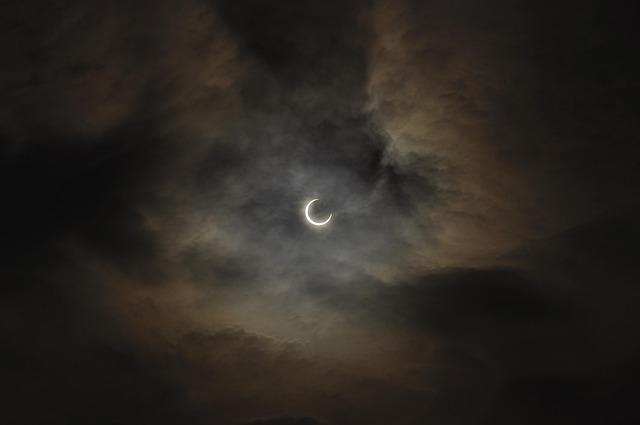
Experience the Breathtaking Annular Solar Eclipse on Easter Island
On October 2, 2024, the remote and mysterious Easter Island will become a focal point for astronomy enthusiasts and skywatchers alike as it hosts an annular solar eclipse.Famous for its monumental moai statues and vibrant cultural history, this isolated Pacific island is set to offer a breathtaking view of the moon partially covering the sun, resulting in a mesmerizing “ring of fire” effect. As this celestial event approaches, experts are urging both locals and visitors to prepare for an extraordinary experience that not only promises stunning visuals but also provides a unique opportunity for scientific exploration and public engagement with astronomy.
A Celestial Spectacle Awaits
The world will turn its attention skyward as an awe-inspiring annular solar eclipse graces the skies above Easter Island on October 2. Nestled in the heart of the Pacific Ocean, this secluded island is celebrated not just for its iconic stone figures but also now for this remarkable astronomical event that will attract both seasoned astronomers and curious travelers. During this phenomenon, observers within the path of annularity will see a brilliant ring surrounding the moon—a once-in-a-lifetime spectacle that highlights our universe’s beauty.
To ensure you have an unforgettable experience during this celestial event, here are some essential tips:
- Eclipse Glasses: Always wear certified eclipse glasses to shield your eyes from harmful solar rays.
- Optimal Viewing Location: Seek out locations with clear views; higher elevations may provide exceptional perspectives.
- Date & Time Awareness: Mark your calendar! Check local timings to catch every moment of maximum eclipse visibility.
Eclipse Timeline
| Description | Date & Time (UTC) |
|---|---|
| Start of Partial Eclipse | Oct 2,18:10 |
| begins Annularity Phase | Oct 2,19:30 |
| Apex of Eclipse Visibility | Oct 2,19:33 |
| Annulling Phase Ends | Oct 2,19:36 |
| Cessation of Partial Eclipse Effects | Oct 2,20:50 |
The Science Behind Annular Solar Eclipses Explained
An annular solar eclipse occurs when the moon aligns perfectly between Earth and Sun yet remains too distant to entirely obscure sunlight.This results in what appears as a radiant ring around it—ofen referred to as ”the ring of fire.” This captivating occurrence serves not only as visual entertainment but also illustrates essential principles in celestial mechanics by showcasing how these three bodies align so precisely. The distance between Earth and moon plays a pivotal role; if they are at just right distances apart during their elliptical orbits can lead to such spectacular events.
The science behind these eclipses can be summarized through several key factors:
- < strong >Distance: The varying distance from Earth affects different types of eclipses based on where it lies within its orbit.
- < strong >Angular Size: The apparent sizes seen from Earth influence which type occurs; while substantially larger than Moon , Sun ’s greater distance leads to unique alignments .< / li >
- < strong >Seismic Influence : some research indicates potential links between solar eclipses affecting seismic activity due changes gravitational forces .< / li >
< / ul >< th >< strong >Event Description< / strong >< th >< strong >Date< / strong >< th >< strong >Location< / strong >
< /thead >< td >Annular Solar Eclipse< / td >< td >October 02 , 2024 < / td >< td>Easter island
Total Solar Eclipse
April 8, 2024
North America/ tr > / tbody >
/ table >
This upcoming annular eclipse offers more than just visual delight—it represents humanity’s ongoing quest towards understanding our universe better through scientific inquiry into such phenomena . For those fortunate enough witness it firsthand on Easter Island ,they’ll partake not merely in awe inspiring sight ; rather they’ll engage harmoniously with cosmos itself appreciating natural wonders together alongside fellow enthusiasts!
Safe Viewing Practices for October’s Event!
The impending annular solar eclipse necessitates prioritizing safety while enjoying its splendor! Directly gazing at sun without proper eye protection poses serious risks including permanent damage eyesight ! to safely observe consider utilizing eclipse glasses that comply ISO standards ensuring adequate shielding against harmful rays.< br />< br />Here are additional protective options available :
- Solar viewers : Pinhole projectors allow indirect viewing without risk involved .</ li>
- Welder’s glass : Minimum shade level should be set at fourteen direct observation purposes.</ li>
- Specialized filters required telescopes binoculars essential viewing equipment.</ li>
</ ul>It’s important note conditions vary depending location chosen therefore finding optimal spots low light pollution clear skies crucial maximizing enjoyment ! Below table summarizes best times across various regions within Easter Island :
Location Best Viewing time
hanga Roa–> 14:30 PM -15:<00 PM –> 14:<25 PM -14:<55 PM /t d/> 14:<28PM-14:<58PM/t d/> / tbody />
/ table />
Remember sharing experiences enhances enjoyment factor so consider organizing gathering friends neighbors watch together atmosphere excitement shared measures equipment heightens overall satisfaction! Enjoy observing!
Flight 775: Unraveling the Heartbreaking Mystery Behind the Uganda Airlines Tragedy
On March 24, 2023, a devastating tragedy struck as Uganda Airlines flight 775 tragically went down just moments after taking...
Read moreDetails