
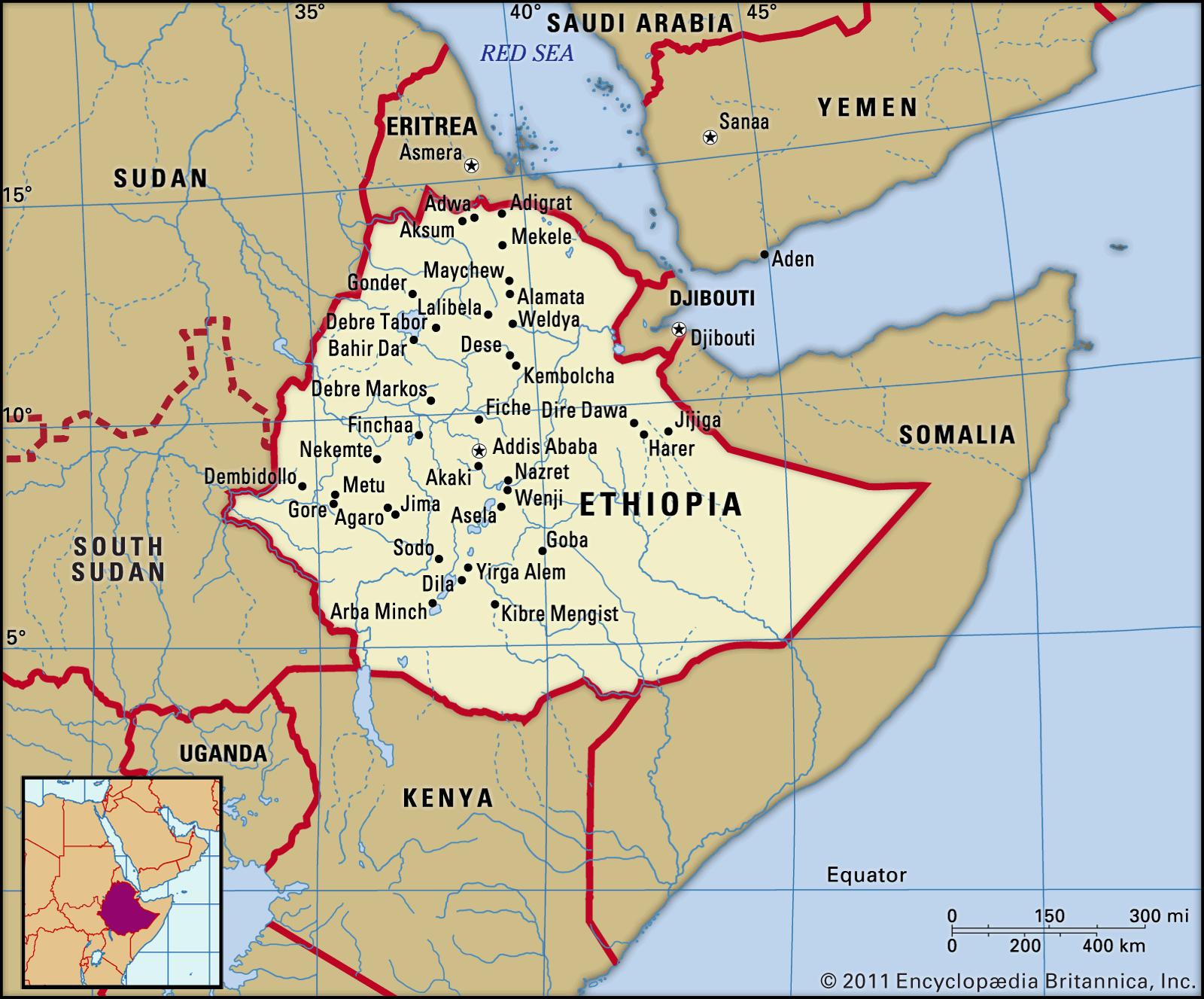
Ethiopia and Eritrea: Navigating a Fragile Landscape
The fragile peace established between Ethiopia and Eritrea in 2018 is currently under severe strain. A resurgence of nationalism, ongoing border conflicts, and unresolved political issues have brought both nations to a pivotal moment that could redefine their relationship and influence regional stability in the Horn of Africa. Recent findings from the Crisis Group indicate rising tensions and potential flashpoints that could ignite renewed hostilities between these neighboring countries.As they grapple with internal challenges alongside external pressures,the likelihood of miscalculations increases,prompting urgent calls for diplomatic engagement and renewed dialog. This article delves into the complex dynamics at play by exploring historical contexts alongside current realities that may lead Ethiopia and Eritrea toward further confrontation.
Rising Tensions Amid Political Shifts
The delicate peace between Ethiopia and Eritrea faces increasing threats as political maneuvers combined with military escalations heighten fears of renewed conflict. Following significant changes within Ethiopia’s political landscape, both nations have engaged in heightened rhetoric that exacerbates tensions previously alleviated by the 2018 peace agreement. Analysts suggest that ongoing civil unrest in regions such as Tigray has created an unstable environment ripe for exploitation by Eritrean forces. Key developments include:
- Heightened Military Presence: Both countries are ramping up military activities along their shared borders, with reports indicating troop movements and increased artillery deployments.
- Diplomatic Deadlock: Recent diplomatic initiatives have stalled as both governments accuse each other of harboring hostile intentions.
- Regional Alarm: Neighboring states are closely monitoring developments due to concerns about potential spillover violence.
This situation has raised alarms among international observers who warn that any misstep could escalate into full-scale warfare. Alongside military buildups, there are indications that Eritrea is bolstering support for rebel factions within Ethiopia-further complicating an already precarious crisis. A recent analysis highlights several critical factors:
| Crisis Factor | Status Update |
|---|---|
| Border Incidents | Increasingly frequent |
| Diplomatic Relations | No progress achieved |
The domestic challenges faced by both nations amplify concerns about a possible return to conflict-placing innocent civilians at risk while jeopardizing regional stability.
Root Causes of Conflict and Regional Implications
The discord between Ethiopia and Eritrea arises from deep-rooted historical grievances intertwined with ethnic strife and territorial disputes.Significant factors contributing to this ongoing tension include:
- Colonial Legacy: Arbitrary borders drawn during colonial times continue to fuel territorial disputes while deepening ethnic divisions.
- Cultural Federalism:Ethiopia’s federal structure grants various ethnic groups administrative powers but also intensifies local conflicts; many minorities feel increasingly marginalized.
- Turbulent History:The aftermath of the 1998-2000 border war has fostered enduring mistrust between these two nations complicating any attempts at diplomacy.
The ramifications extend beyond their immediate borders; escalating hostilities pose considerable risks for regional stability across East Africa. Disruptions could hinder vital trade routes essential for landlocked Ethiopia’s economy while creating opportunities for external actors seeking to exploit instability further.
The following table summarizes potential risks associated with this conflict escalation:
| Potential Risk | Consequences |
|---|---|
| Increase in Refugee Movements | Heightened pressure on neighboring countries’ resources & humanitarian responses . < tr >< td >Economic Disruption < td >Trade interruptions leading to inflation & shortages .< / td >< tr >< td >Emergence of Power Vacuums < td >Opportunities arise for extremist groups in destabilized areas .< / td >
Strategies for De-escalation & Sustainable Peacebuilding in East AfricaIn navigating conflicts within East Africa’s intricate landscape , fostering dialogue among communities remains crucial . Engaging local leaders can establish robust frameworks supporting grassroots peace initiatives focusing on:
|










