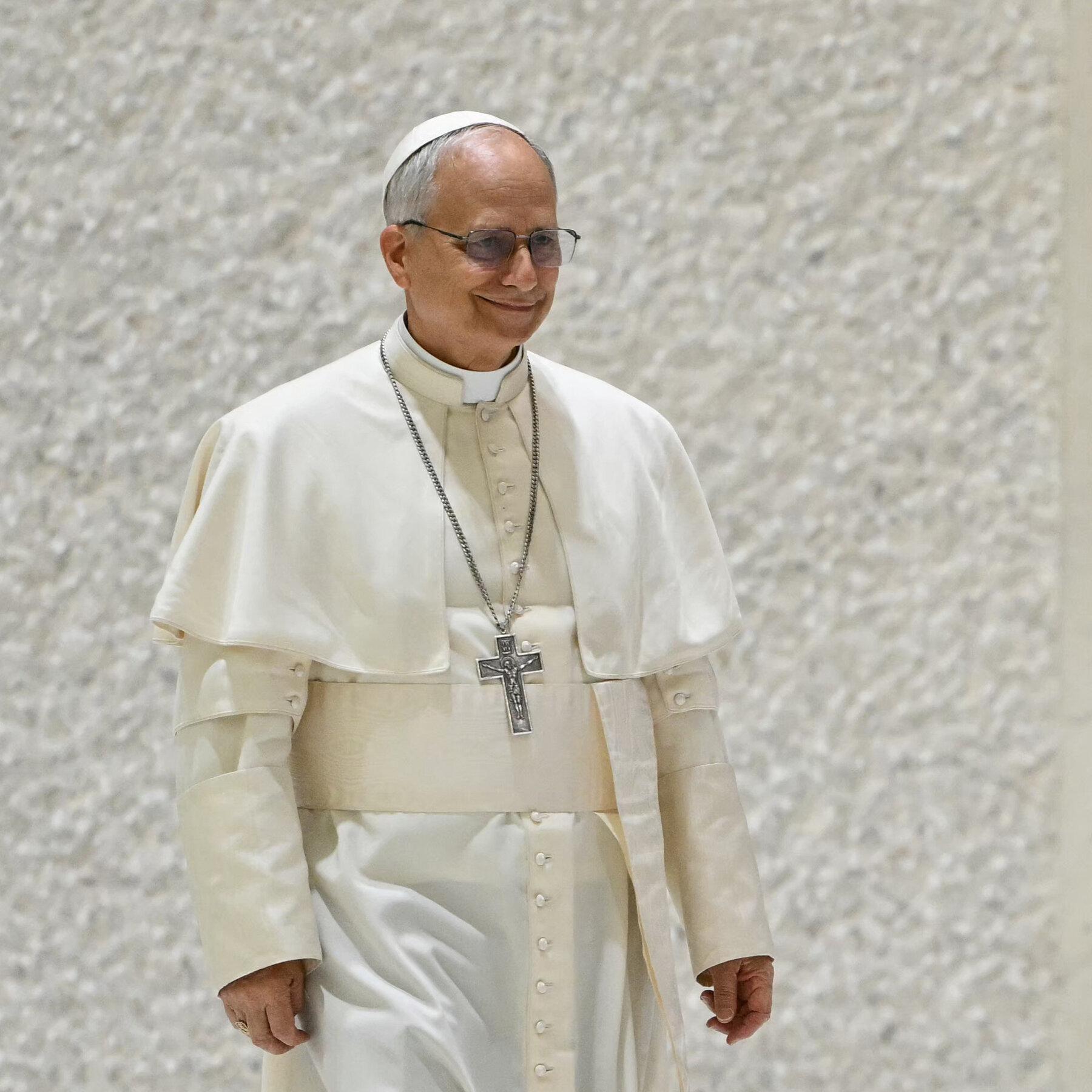
In a recent address, Pope Francis underscored the importance of safeguarding the “spiritual rights” of migrant detainees, calling for a more humane treatment of individuals who find themselves in immigration detention facilities. Highlighting the plight of vulnerable populations around the globe, the Pope urged authorities to recognize the inherent dignity and spiritual needs of migrants, insisting that their rights must be respected regardless of their legal status. This powerful message comes amidst ongoing debates about immigration policies and the treatment of detainees, drawing attention to the moral responsibilities that accompany national security and border control measures. As the Vatican continues to advocate for the voiceless, this call to action resonates not only within faith communities but also across broader societal discussions regarding human rights and compassion in immigration practices.
Pope Urges Global Leaders to Uphold Spiritual Rights of Migrant Detainees
The Pope has issued a poignant call for global leaders to recognize and uphold the spiritual rights of migrant detainees, highlighting the essential need for compassion and humane treatment in detention centers worldwide. In his recent statements, he emphasized that every individual, regardless of their immigration status, possesses inherent dignity and deserves to maintain their religious practices and spiritual well-being. “The spiritual needs of these individuals must be respected,” he urged, reminding authorities that faith can serve as a source of hope and resilience during times of uncertainty.
In his address, the Pontiff outlined several key areas where action is necessary to respect the rights of those in detention. He identified the following priorities for governments to consider:
- Access to religious services: Ensure that detainees have the opportunity to participate in spiritual gatherings and worship.
- Provision of religious materials: Facilitate access to sacred texts and other resources that support spiritual practices.
- Training for staff: Provide education for detention center staff on the importance of respecting the religious beliefs and practices of detainees.
The Pope’s remarks were not only a plea for immediate action but also a reminder of the broader implications of neglecting the spiritual dimension of detention. The essence of humanity lies in the ability to express one’s beliefs freely, and it is crucial that leaders prioritize these rights in their policies toward migrant populations.
Calls for Accessible Religious Services and Support in Detention Centers
The call for accessible religious services and support in detention centers has gained significant attention, particularly in light of Pope Francis’s recent statements emphasizing the need for the spiritual rights of migrants. Detainees often find themselves in environments that can be alienating, leading to feelings of isolation and despair. Access to spiritual services provides not only comfort but also a sense of community and belonging. Religious leaders, activists, and humanitarian organizations argue that it is imperative to implement measures that ensure these individuals can practice their faith freely and fully, promoting their emotional and mental well-being.
Currently, many detention centers lack adequate provisions for religious observance, with barriers that hinder both access to spiritual guidance and participation in religious rituals. The following steps are essential in addressing these gaps:
- Establishing Regular Religious Services: Facilitate weekly services led by various faith leaders to accommodate the diverse belief systems of detainees.
- Providing Religious Literature: Ensure that detainees have access to sacred texts and educational materials relevant to their faith.
- Creating Reflection Spaces: Designate quiet areas for prayer and meditation that respect the spiritual needs of all detainees.
- Training Staff on Religious Sensitivity: Equip detention center staff with knowledge on various religious practices to foster an inclusive environment.
Advocating for Comprehensive Policies that Integrate Human Dignity and Faith Access
The message from the Vatican underscores the crucial need for comprehensive policies that uphold the dignity of all individuals, particularly focusing on the vulnerable populations within our societies. Advocates call for frameworks that not only protect the basic rights of migrant detainees but also ensure that their spiritual needs are met. The integration of human dignity into policy-making means that authorities should facilitate access to religious services and spiritual support, recognizing the role of faith as a core pillar of resilience and hope for many migrants. Such policies can promote a sense of community within detention facilities, enhancing the overall well-being of individuals facing adversity.
To effectively implement these frameworks, policymakers should consider the following elements:
- Accessibility: Ensuring that religious services are readily available to detainees, catering to diverse faiths.
- Training: Providing staff with training on the importance of spiritual rights and how to respect them.
- Collaboration: Partnering with religious organizations to facilitate regular spiritual outreach.
- Advocacy: Engaging community leaders to raise awareness about the spiritual rights of migrant populations.
In pursuing these goals, it is vital to gather data on the current state of spiritual access for migrant detainees. The following table highlights key areas for improvement to ensure that spiritual rights are respected:
| Area | Status | Recommendations |
|---|---|---|
| Religious Service Availability | Limited | Increase frequency and variety of services offered. |
| Training for Staff | Inadequate | Implement regular training sessions for facility staff. |
| Collaboration with Faith Groups | Minimal | Establish partnerships with local religious organizations. |
| Awareness Campaigns | Rarely Established | Launch initiatives to educate the public and policymakers. |
Insights and Conclusions
In conclusion, Pope Francis’s call for the respect of the “spiritual rights” of migrant detainees underscores the Vatican’s enduring commitment to the dignity and humanity of all individuals, regardless of their circumstances. By emphasizing the need for spiritual care and support for those in detention, the pontiff not only highlights the urgent issues surrounding migration but also invites nations and communities to reflect on their moral responsibilities. As the global discourse on migration continues to evolve, the Pope’s message serves as a poignant reminder that compassion and respect for human rights must remain at the forefront of our humanitarian efforts. As the world grapples with unprecedented numbers of displaced persons, it is imperative that we ensure their voices are heard and their rights are protected, both spiritually and materially.