
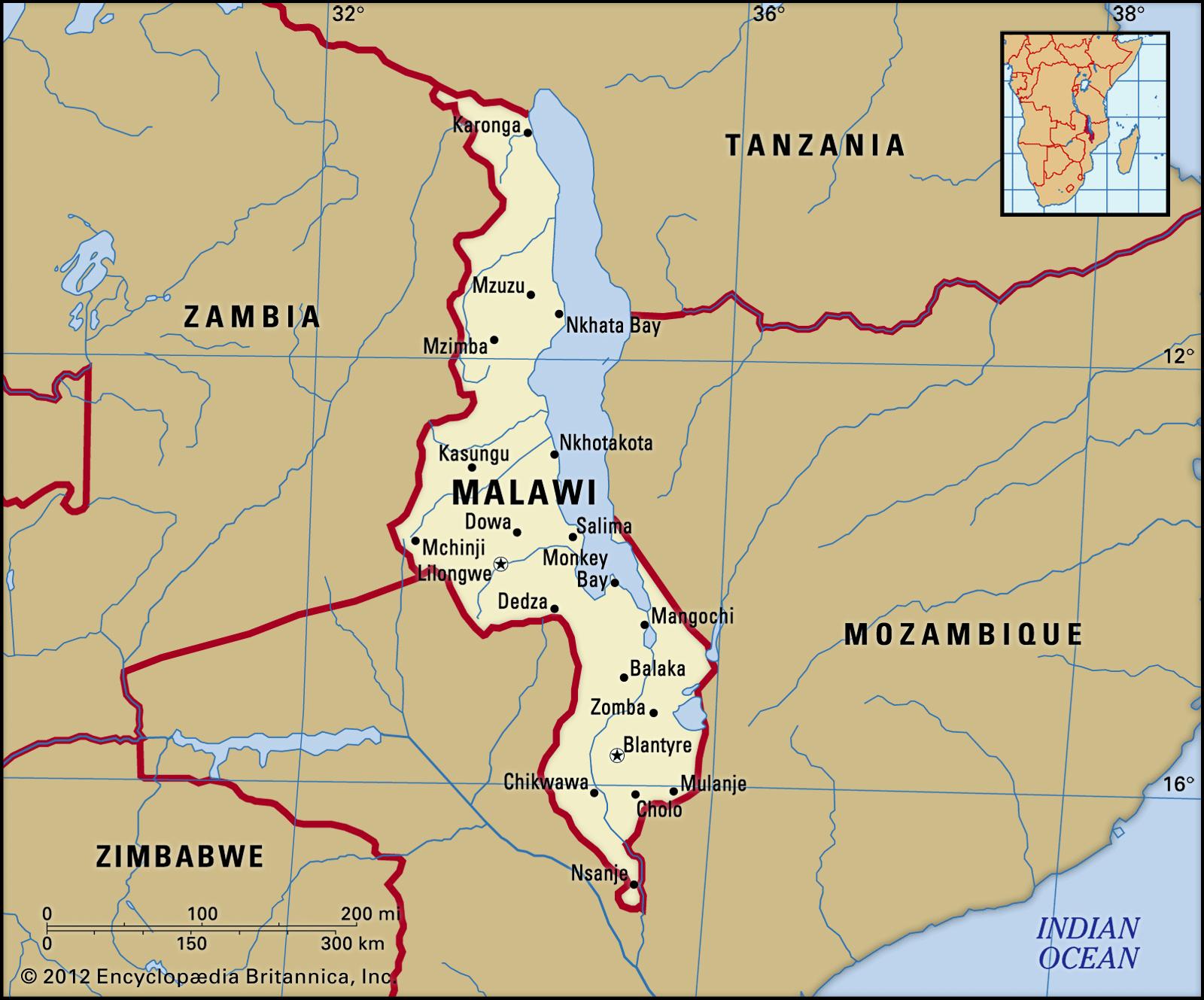
Conserving Malawi’s Chia Lagoon through a Community-led Approach: A Model for Sustainable Development
Nestled within the breathtaking landscapes of Malawi, Chia Lagoon is not only a haven for diverse aquatic life but also a vital resource for local communities who depend on its waters for their livelihoods. As environmental degradation and climate change threaten this vital ecosystem,BirdLife International has embarked on a groundbreaking initiative aimed at safeguarding the lagoon through a community-led approach. This strategy empowers local stakeholders to take ownership of conservation efforts, fostering both ecological sustainability and socio-economic resilience. In this article, we explore the delicate balance between human needs and environmental stewardship, highlighting how collective action can pave the way for the preservation of Chia Lagoon, ensuring that future generations can continue to reap its benefits. Through a blend of grassroots activism, scientific research, and collaborative partnerships, the efforts in Malawi exemplify a promising model for conservation that could be replicated in other ecologically sensitive regions worldwide.
Conservation Challenges and Opportunities at Chia Lagoon
Chia Lagoon, a vital ecosystem in Malawi, faces numerous conservation challenges that threaten its rich biodiversity. Overfishing, pollution, and habitat degradation are prominent issues that jeopardize both the lagoon’s ecological balance and the livelihoods of local communities. As pressures amplify, many fish species are becoming endangered, disrupting the food chain and diminishing local fisheries, which many families depend on for survival. Additionally, invasive plant species are encroaching on native flora, altering the habitat vital for countless bird species and impacting overall ecosystem health.
Still, these challenges also present unique opportunities for transformation. A community-led approach to conservation is gaining traction, empowering local residents to take charge of protecting their natural resources. By engaging community members in sustainable fishing practices and habitat restoration projects, there is potential for revitalizing the lagoon’s ecosystem. Initiatives such as environmental education programs, protective legislation, and eco-tourism can promote awareness and provide economic alternatives for communities. The synergy between local knowledge and scientific research will be crucial in devising effective strategies for the lagoon’s conservation.
Community Engagement: Empowering Locals for Sustainable Stewardship
In the heart of Malawi, the conservation of Chia Lagoon has emerged as a grassroots effort bolstered by the active participation of local communities. By empowering residents through education and training, BirdLife International has catalyzed a movement that embraces sustainable stewardship as a collective responsibility. Through workshops and community meetings, locals are equipped with essential knowledge on biodiversity, ecological balance, and sustainable practices. This initiative ensures that the voices of the community are not only heard but are pivotal in the decision-making processes affecting their habitat.
The success of this community-led conservation model hinges on several key strategies:
- Capacity Building: Community members receive training in current conservation techniques, allowing them to manage the lagoon sustainably.
- Resource Sharing: Establishing partnerships with local NGOs and government bodies to share resources and expertise enhances community resilience.
- Local Leadership: Identifying and empowering community leaders fosters a sense of ownership and accountability over natural resources.
- Awareness Campaigns: Engaging local schools and youth organizations raises awareness about the importance of protecting the lagoon.
The impact of these initiatives is profound, evidenced by increased local participation in conservation activities, improved fish stocks, and enhanced biodiversity in the lagoon. A recent survey highlighted the following outcomes:
| Outcome | Percentage (%) |
|---|---|
| Increased local engagement in conservation | 80 |
| Improved understanding of biodiversity | 75 |
| Enhanced fish population | 60 |
| Reduction in illegal fishing activities | 50 |
Strategies for Biodiversity Protection and Habitat Restoration in Malawi
To effectively protect biodiversity and restore habitats in Malawi’s Chia Lagoon, a multifaceted community-led approach is essential. This initiative emphasizes the empowerment of local communities by involving them in conservation efforts, which not only raises awareness but also fosters ownership of local ecosystems. Key strategies include:
- Community Education and Awareness: Engaging locals through workshops and outreach programs to highlight the importance of biodiversity and ecological health.
- Monitoring and Research: Collaborating with community members to conduct regular assessments of flora and fauna, enabling informed decision-making.
- Incentive Programs: Establishing eco-tourism and sustainable fishing practices that provide financial benefits to those committed to conservation.
In addition, habitat restoration efforts are crucial for enhancing the ecological integrity of the lagoon.Restoration projects, supported by both local and international stakeholders, focus on:
- Reforestation: Planting native trees around the lagoon to improve water quality and provide habitat for wildlife.
- Wetland Restoration: Eliminating invasive species and rehabilitating degraded wetland areas to restore natural ecosystems.
- Partnership with Local Authorities: Working alongside government agencies to ensure policies favor the sustainability of habitats and biodiversity.
| Key Strategy | Description |
|---|---|
| Community Education | Workshops and activities to inform locals about conservation. |
| Monitoring | Regular assessments conducted by community members. |
| Incentives | Promoting eco-tourism for financial gains. |
| Reforestation | Planting native trees around the lagoon. |
| Wetland Restoration | Restoring ecosystems by removing invasives. |
| Partnerships | Collaboration with authorities for supportive policies. |
In Conclusion
As the sun sets over Chia Lagoon, casting a golden glow on the tranquil waters, the story of conservation in Malawi unfolds through the diligent efforts of local communities and organizations like BirdLife International. This collective endeavor not only prioritizes the ecological health of the lagoon but also reinforces the intrinsic connection between the environment and the livelihoods of those who call this region home. The community-led approach has proven invaluable, demonstrating that sustainable conservation can thrive when local voices are empowered and engaged.
The commitment seen in Chia Lagoon serves as a model for other regions facing similar environmental challenges.As we reflect on the progress made and the hurdles that remain, it becomes clear that the future of Malawi’s rich biodiversity hinges on continued collaboration between communities and conservationists. The lessons learned in Chia Lagoon remind us that protecting our natural heritage is a shared responsibility-one that can only be achieved through unity, education, and sustainability. In this way, the legacy of Chia Lagoon will continue, fostering both environmental resilience and social harmony for generations to come.










