Easter Island Travel: Exploring Rapa Nui’s Remote Mystery – The European Magazine
Nestled in the vast expanse of the South Pacific,Easter Island,or Rapa Nui,emerges as one of the world’s most enigmatic destinations. With its iconic moai statues and rich cultural tapestry, this remote island beckons adventurers and scholars alike. As travelers seek to uncover the mysteries of this UNESCO World Heritage Site, The European Magazine delves into the unique experiences that Rapa Nui offers. From its breathtaking landscapes to its indigenous traditions, exploration of the island provides not only a window into a rich past but also an opportunity for profound personal reflection amid its serene isolation. Join us as we navigate the wonders and complexities of Easter island, illuminating what makes this remote locale a compelling destination for the modern traveler.
Discovering the Enigmatic Moai: A Journey through Rapa Nui’s Iconic Statues
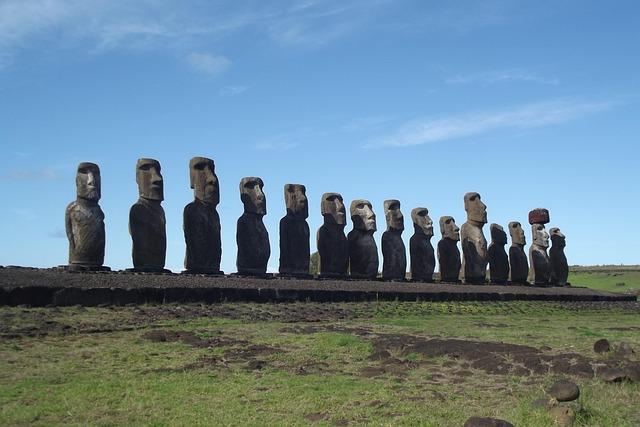
Rapa Nui, a remote speck in the vast Pacific Ocean, is home to the awe-inspiring Moai statues-monolithic figures that have sparked curiosity and wonder among travelers and historians alike. These towering representations, carved from volcanic tuff, stand as a testament to the artistry and cultural meaning of the Rapa Nui people. The islanders sculpted the statues between 1400 and 1650 AD, initially believed to embody ancestral spirits. Walking among these giants, visitors can appreciate their sheer scale and the intricate details that each figure possesses. The sheer effort that went into transporting these heavy stones from quarries to their ceremonial platforms, or ahu, is a remarkable feat that continues to baffle researchers, contributing to the island’s enigmatic allure.
Explorers wishing to delve deeper into the mysteries of these statues will find an array of intriguing sites across Easter Island. Highlights include:
- Rano Raraku: The volcanic quarry where most Moai were created, showcasing unfinished statues in various stages of completion.
- Ahu Tongariki: The largest ceremonial platform, featuring 15 restored Moai, standing proudly at the island’s eastern shore.
- te Pito o Te henua: The “Navel of the World,” known for its unique circular structure and the massive stone known as the “navel” rock.
The spiritual connection the Rapa Nui community has with these statues is palpable,turning an ordinary visit into a profound journey through time.Each site unfolds stories of resilience, environmental challenges, and the cultural evolution of a society that, despite its isolation, has left a remarkable legacy on the sands of history.
Navigating the remote Landscapes: Essential Tips for Adventurous Travelers
As travelers embark on the journey to Easter Island, also known as Rapa Nui, it’s essential to prepare diligently for the unique challenges presented by its remote location. This idyllic outpost in the Pacific Ocean is known for its enigmatic moai statues and rich cultural heritage. To make the most of your adventure, consider the following essential tips:
- Plan Your Route: Due to its isolation, flights to Rapa Nui are limited.Book your tickets well in advance and be aware of the schedules to avoid any last-minute hiccups.
- Respect the Culture: The island’s rich history and traditions deserve respect. Engage with the local Rapa Nui community and consider participating in cultural events for a deeper understanding of their customs.
- Pack Wisely: Bring gear suited for both hiking and beach activities.Include essentials like sunscreen, insect repellent, and a reusable water bottle as amenities can be sparse.
Weather on the island can be highly variable, thus monitoring it closely before your trip can help ensure a safe and enjoyable visit. Moreover, familiarize yourself with the local regulations to ensure that your explorations leave no negative impact on the delicate ecosystems. The following practices can enhance your experience:
- Engage with Guides: Opt for guided tours to navigate the ancient sites while absorbing expert knowledge that will enrich your understanding.
- Limit waste: The island has limited recycling facilities; hence, it’s crucial to minimize waste by avoiding single-use plastics and disposing of trash properly.
- Explore Off the Beaten Path: While the iconic moai are a must-see, take the time to explore lesser-known sites like the Rano Raraku quarry, where many statues were originally carved.
Cultural Heritage and Sustainable Tourism: engaging with Rapa Nui’s Unique Traditions
Rapa Nui, or Easter Island, is a remote jewel in the South Pacific, renowned for its striking moai statues and rich cultural tapestry. Visitors to this UNESCO World Heritage site are increasingly seeking to engage with the island’s distinct traditions while embracing sustainable tourism practices. This engagement not only enhances the travel experience but also fosters a deeper understanding and respect for the local heritage. Tourists can immerse themselves in activities such as:
- conventional Weaving Workshops: Learn the ancient art of creating textiles using local plant materials, connecting directly with ancestral techniques.
- Moai Restoration Projects: Participate in initiatives aimed at preserving the iconic statues, allowing travelers to contribute meaningfully to the island’s conservation efforts.
- Cultural Festivals: Experience vibrant celebrations that showcase Rapa Nui’s music, dance, and crafts, providing insight into the island’s communal spirit.
Furthermore, the rising demand for eco-friendly lodging and local culinary experiences is prompting an evolution in the tourism landscape. Many visitors are now opting for accommodations that prioritize sustainability, such as eco-lodges that use renewable energy and support local farmers.Local cuisine, notably the use of fresh seafood and traditional cooking methods, offers another avenue for tourists to engage authentically with the island’s culture. By choosing to savor Rapa Nui’s culinary delights while traveling responsibly, visitors not only enjoy memorable flavors but also help ensure the island’s traditions thrive for generations to come.
To Conclude
As we conclude our exploration of Easter Island, or Rapa Nui, it becomes clear that this remote destination is more than just the site of its iconic moai statues.It is a captivating blend of rich history, vibrant culture, and stunning natural landscapes that beckon travelers seeking both adventure and enlightenment. The island’s enigmatic past and the resilience of its people offer an opportunity to engage deeply with the spirit of the Pacific.
For those considering a journey to Rapa Nui, preparation is key. understanding the delicate balance between tourism and preservation will ensure that these ancient wonders can be appreciated by future generations. With its unique traditions, breathtaking scenery, and an enduring allure, Easter Island awaits-an island of mystery, inviting all who seek to unravel its secrets. As we continue to navigate the intersection of travel and sustainability, let Rapa nui serve as a reminder of the wonders that lie in our world, and the responsibility we share in preserving them.