
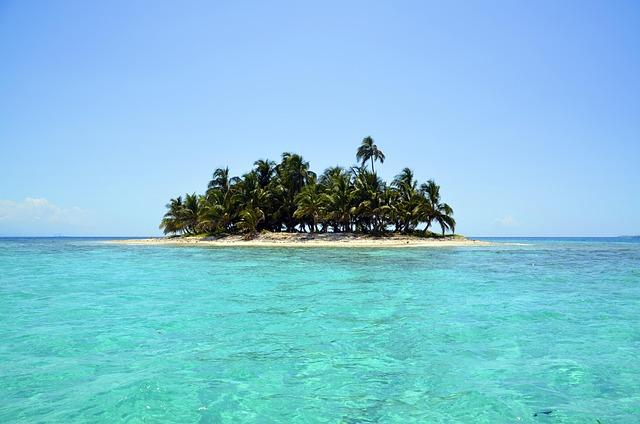
In a groundbreaking recognition of its commitment to preserving the night sky, Niue Island has been officially designated as the world’s first “Dark Sky Nation.” This accolade, celebrated by astronomers and environmentalists alike, underscores the Pacific island’s efforts to maintain its pristine starlit environment in the face of increasing light pollution globally. With its sparse population and unspoiled landscapes, Niue offers a unique sanctuary for stargazers and nature enthusiasts. This designation not only highlights the cultural significance of the night sky to the local community but also positions Niue as a beacon for astrotourism, inviting visitors to experience its untainted celestial vistas. As the world increasingly grapples with artificial lighting’s impact on the environment, Niue’s pioneering status serves as a vital reminder of the need to protect our natural heritage.
Niue’s Commitment to Astronomy and Conservation Strategies
Niue has taken a significant step forward in its commitment to both astronomy and environmental conservation, becoming the world’s first designated “Dark Sky Nation.” This recognition stems from the island’s efforts to preserve its natural night sky from light pollution, thereby enhancing not only celestial observation but also promoting biodiversity. By implementing strict regulations on artificial lighting, Niue aims to create a pristine environment for both local wildlife and stargazers alike. This initiative is seen as a pivotal measure to safeguard the island’s unique ecological systems while fostering a culture of scientific education and community engagement.
The efforts in astronomy conservation are not limited to stargazing alone; they encompass a broader strategy aimed at sustainable tourism and local empowerment. Key strategies include:
- Community Involvement: Engaging locals in conservation projects and astronomical events.
- Regulations on Development: Limiting construction and urbanization that may contribute to light pollution.
- Education and Outreach: Organizing workshops and public events to raise awareness about the importance of a dark sky.
| Strategy | Description |
|---|---|
| Light Management | Implementation of eco-friendly lighting standards. |
| Astronomy Programs | Hosting stargazing events and educational programs. |
| Wildlife Protection | Conservation measures to protect nocturnal species. |
Impact of Dark Sky Status on Tourism and Local Economy
The designation of Niue as the world’s first ‘Dark Sky Nation’ stands to significantly enhance tourism by attracting stargazers, eco-tourists, and nature enthusiasts from around the globe. Visitors are drawn to the island’s minimal light pollution, enabling spectacular views of celestial phenomena. With its initiative to promote astronomy-related activities, Niue can increase its visitor numbers and extend tourism seasons, leading to greater economic benefits. Local businesses are likely to flourish due to increasing demand for accommodations, dining, and travel services tailored to stargazing experiences.
Additionally, a notable increase in tourism can lead to job creation and stimulate investment in infrastructure development. As more travelers seek to experience the stunning night skies, local artisans and cultural enterprises may find new opportunities to showcase their crafts and heritage. Such economic diversification is essential for the sustainability of the island’s local economy. Key stakeholders, including government entities and tourism operators, must work collaboratively to harness this potential, ensuring that the economic benefits from dark sky tourism are felt across various sectors and the broader community.
Global Implications of Niue’s Recognition as a Dark Sky Nation
Niue’s designation as the world’s first Dark Sky Nation has significant global ramifications, as it sets a precedent for other regions looking to preserve their night skies amidst growing urbanization and light pollution. This recognition not only elevates Niue’s profile on the world stage but also exemplifies a movement towards environmental stewardship and sustainability. As scientific interest in the effects of light pollution on ecosystems and human health grows, Niue’s initiative could inspire similar policies worldwide. Countries across the globe may look to this Pacific island as a model for both astronomical tourism and conservation efforts, creating a ripple effect that encourages responsible land use and promotes awareness about the importance of preserving natural light conditions.
Moreover, the international community may witness increased collaboration for dark sky preservation as a result of Niue’s trailblazing status. Initiatives may include:
- Joint conservation programs between nations
- Shared research on the impacts of artificial light
- Cross-border educational campaigns about preserving night environments
The spotlight on Niue could lead to the establishment of a global network of Dark Sky Nations, promoting best practices and facilitating cultural exchanges related to astronomical heritage. As awareness grows, this small island nation may become a symbolic beacon for efforts that seek to realign human activity with the natural rhythms of the environment, further catalyzing a worldwide commitment to fostering dark sky reserves.
In Summary
In conclusion, Niue Island’s designation as the world’s first ‘Dark Sky Nation’ marks a significant milestone in the global movement towards astronomical preservation and sustainable tourism. By reducing light pollution and promoting the celestial wonders that illuminate its night skies, Niue not only showcases its natural beauty but also encourages a deeper appreciation for the universe beyond our planet. This initiative not only enhances the island’s appeal as a tourist destination but also serves as a vital reminder of the importance of protecting our environment for future generations. As Niue takes on this pioneering role, it sets an inspiring precedent for other nations to follow in the pursuit of preserving the integrity of our night skies, one starry night at a time.










