
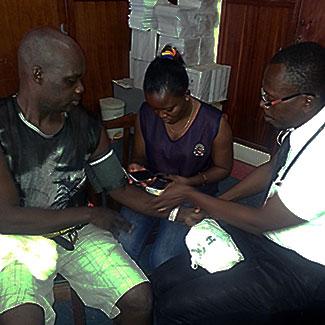
As the global health community grapples with the complexities of non-communicable diseases, a troubling trend has emerged in Africa: a significant rise in stroke cases. According to recent studies, the continent is facing an alarming increase in stroke prevalence, driven by a confluence of factors including urbanization, lifestyle changes, and inadequate access to healthcare resources. This urgent health crisis underscores the need for tailored care guidelines that reflect the unique epidemiological landscape of Africa. Current international protocols often fail to account for the distinct sociocultural and economic contexts of African nations, which can hinder effective prevention and treatment strategies. In this article, we delve into the rising incidence of strokes across Africa, explore the reasons behind this trend, and discuss the critical importance of developing localized care guidelines to improve outcomes for patients and healthcare systems alike.
Understanding the Surge in Stroke Incidence Across Africa
The alarming rise in stroke incidence across Africa is a complex issue influenced by a plethora of factors. Increasing urbanization, lifestyle changes, and the prevalence of risk factors such as hypertension, diabetes, and obesity are contributing to this public health crisis. Moreover, limited access to healthcare facilities and a lack of awareness about preventive measures exacerbate the situation. While strokes are often perceived as a problem primarily in developed countries, this trend highlights a pressing need for tailored interventions on the continent.
Furthermore, the disparities in healthcare systems across African nations play a significant role in stroke management and outcomes. Many countries face challenges such as insufficient medical resources, a shortage of trained healthcare professionals, and inadequate emergency response systems. To address these gaps, experts suggest that the development of localized care guidelines is essential. These guidelines could prioritize the following:
- Education and awareness campaigns to inform communities about the risk factors and symptoms of strokes.
- Enhanced training for healthcare providers in stroke recognition and management.
- Investment in healthcare infrastructure to ensure timely access to necessary treatments.
The Importance of Tailored Care Guidelines for Stroke Management
The rising incidence of strokes in Africa underscores the urgent need for tailored care guidelines that address the unique cultural, social, and economic contexts of African nations. Current global stroke management protocols, while beneficial, often overlook regional disparities and local health challenges. Implementing guidelines created specifically for African settings can lead to significantly improved patient outcomes by emphasizing:
- Accessibility: Ensuring stroke care facilities are within reach for under-served populations.
- Community Education: Raising awareness about stroke symptoms and prevention strategies.
- Collaborative Approaches: Integrating local health practitioners into the management narratives to foster community trust.
Moreover, these localized guidelines can provide healthcare providers with practical tools tailored to the regional disease burden. For instance, incorporating traditional medicine alongside modern treatment can create a more holistic approach to stroke recovery. A focused educational initiative could enhance the skill sets of healthcare workers, enabling:
| Key Focus Areas | Implementation Strategies |
|---|---|
| Risk Factor Management | Regular screening programs for hypertension and diabetes. |
| Emergency Response Training | Workshops for first responders and local clinics. |
| Post-Stroke Rehabilitation | Community-based support groups and therapy sessions. |
Addressing Health Disparities: Recommendations for Policymakers and Health Systems
To effectively tackle the rising incidence of strokes in Africa, it is essential for policymakers and health systems to implement comprehensive strategies that address both systemic inequities and specific health service gaps. Prioritizing community-based health education programs can empower individuals with knowledge about stroke prevention and early symptoms, leading to faster treatment and better outcomes. Furthermore, partnerships with local organizations can help enhance the availability of resources for underserved populations, ensuring equitable access to care. Some actionable recommendations include:
- Developing and disseminating localized stroke care guidelines tailored to the unique epidemiological landscape of Africa.
- Implementing training programs for healthcare providers to improve recognition, response, and management of stroke cases.
- Increasing funding for public health initiatives focusing on lifestyle modifications and risk factor management, particularly concerning hypertension and diabetes.
Moreover, integrating health equity assessments into policy decisions can help identify and prioritize areas of need, ultimately enhancing healthcare delivery. African nations should collaborate with international health organizations to share best practices and foster research that highlights culturally relevant interventions. The following table outlines key areas of focus for improving stroke care strategies:
| Focus Area | Recommendation |
|---|---|
| Education | Launch community awareness campaigns about stroke risks and symptoms. |
| Training | Upskill healthcare professionals in stroke diagnosis and care protocols. |
| Access | Ensure availability of affordable medications and rehabilitation services. |
| Policy | Advocate for legislation that promotes preventive health measures. |
The Conclusion
In conclusion, the alarming rise of strokes in Africa underscores an urgent need for tailored care guidelines that address the unique challenges faced by health systems across the continent. As the burden of cerebrovascular diseases escalates, it becomes imperative that governments, healthcare professionals, and organizations collaborate to establish protocols that resonate with local demographics and healthcare capacities. With a significant proportion of the population affected and a landscape marked by varying degrees of healthcare accessibility, creating context-specific guidelines is not just beneficial but necessary. Through concerted efforts in policy-making, education, and community engagement, Africa can take proactive steps towards mitigating the rise of strokes and improving overall neurological health. The time to act is now; investing in comprehensive care frameworks will not only save lives but also enhance the quality of healthcare for millions across the continent.










