
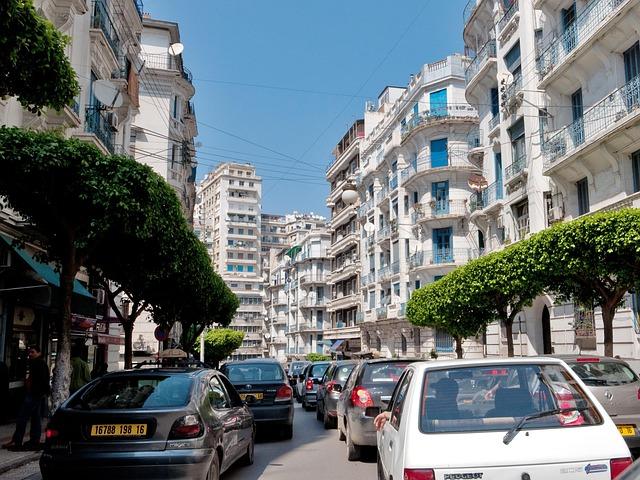
In a development underscoring the complexities of diplomatic relations in North Africa, Algeria has emerged as a pivotal player in the ongoing United Nations discussions concerning the Western Sahara conflict. Historically a supporter of the Sahrawi independence movement, Algeria’s recent actions in the UN talks reflect its commitment to regional influence and its longstanding rivalry with Morocco, which claims sovereignty over the contested territory. This article delves into Algeria’s strategic maneuvers within the UN framework, exploring the implications of its interference on both the peace process and the broader geopolitical landscape. As discussions continue to unfold, the stakes for the Sahrawi people and neighboring nations remain high, highlighting the urgent need for a resolution to one of the continent’s most protracted disputes.
Algeria’s Role in the UN Negotiations on Western Sahara and Its Implications for Regional Stability
Algeria’s involvement in the United Nations negotiations regarding Western Sahara reflects its long-standing commitment to regional issues and its role as a key player in North African politics. The nation has consistently advocated for the self-determination of the Sahrawi people, positioning itself as a champion of anti-colonialism and regional solidarity. Algeria’s support for the Polisario Front, which seeks independence for Western Sahara, has significant implications for the peace process and the broader geopolitical landscape. By actively participating in these discussions, Algeria aims to strengthen its influence and assert its stance against Morocco’s claims over the disputed territory. This maneuvering complicates efforts to achieve a peaceful resolution and could further exacerbate tensions in an already volatile region.
The ramifications of Algeria’s engagement in these negotiations extend beyond Western Sahara, potentially destabilizing the entire Maghreb region. Given the intricate relationship between territorial disputes, national identities, and external alliances, the situation demands a thorough analysis. Key implications include:
- Increased Tensions: The rivalry between Algeria and Morocco may intensify, impacting bilateral relations.
- Regional Security Threats: Persistent instability could lead to a rise in extremist activities, as factions capitalize on the discord.
- International Relations: Algeria’s stance may influence global diplomatic relations within the context of the African Union and other international platforms.
Addressing these complex dynamics is essential for ensuring a stable future, not only for the regional players but also for foreign nations invested in North African affairs. Balancing Algeria’s aspirations with the need for diplomatic coexistence will be critical in navigating this intricate web of interests.
Analyzing the Impact of Algerian Influence on Western Sahara’s Future
The role of Algeria in the ongoing territorial dispute over Western Sahara has been significant and multifaceted, impacting both regional dynamics and international relations. As a primary supporter of the Sahrawi Arab Democratic Republic (SADR), Algeria’s influence extends beyond mere diplomacy; it involves providing political, financial, and even military support to the Polisario Front, the group seeking independence for Western Sahara. This involvement complicates the dialogue process within the United Nations, leading to a polarization of positions that often stymies consensus and resolution. Key aspects of Algeria’s influence include:
- Political Advocacy: Algeria has consistently lobbied for the Sahrawi cause at multiple international platforms, framing it as a decolonization issue.
- Military Support: The Algerian government has been accused of providing arms and training to the Polisario Front.
- International Alliances: Algeria maintains close ties with countries and organizations that oppose Moroccan sovereignty claims, leveraging these relationships to strengthen its position.
This interference not only impacts negotiations at the UN but also shapes the future trajectory of Western Sahara’s governance. The longer Algeria remains entrenched in the conflict, the more challenging it becomes to craft a mutually agreeable solution. The differing objectives of Algeria and Morocco, along with their respective allies, contribute to an environment of uncertainty for the Sahrawi people. The following table summarizes the key players in the conflict and their stances:
| Key Players | Position |
|---|---|
| Algeria | Supports independence for Western Sahara |
| Morocco | Advocates for territorial integrity and autonomy |
| Polisario Front | Fights for self-determination of the Sahrawi people |
| United Nations | Facilitates peace negotiations, aims for a referendum |
Strategies for Diplomatic Engagement in the Conflict over Western Sahara
Engaging diplomatically in the conflict over Western Sahara requires a multifaceted approach that takes into account the interests and concerns of all stakeholders involved. The following strategies may prove essential in fostering dialogue and moving towards a peaceful resolution:
- Inclusive Negotiation Processes: Ensuring that all parties, including Morocco, Algeria, and the Sahrawi people, are represented in discussions can help to build trust and facilitate meaningful conversations.
- Third-Party Mediation: Involving neutral, experienced third-party mediators, possibly from the African Union or the European Union, can help to guide discussions and provide a balanced perspective on the various grievances.
- Track II Diplomacy: Encouraging unofficial dialogue through civil society organizations can complement formal negotiations, allowing for a more nuanced understanding of the realities on the ground.
- Regional Engagement: Strengthening ties with neighboring countries could foster a collaborative approach to the conflict, encouraging regional stability that benefits all parties.
Another critical area of focus is the promotion of socioeconomic development in the region, which can mitigate tensions and create a more conducive environment for negotiations. Key initiatives could include:
| Initiative | Objective |
|---|---|
| Investment in Infrastructure | Enhance connectivity and economic opportunities for local communities. |
| Cultural Exchange Programs | Promote understanding and reconciliation among communities. |
| Educational Initiatives | Empower local youth with skills and knowledge for future prosperity. |
Key Takeaways
In conclusion, Algeria’s active involvement in the United Nations discussions regarding Western Sahara underscores its commitment to what it perceives as a crucial geopolitical issue. As the situation in the region remains complex and contentious, Algeria’s stance may further complicate the multifaceted dynamics between involved parties, including Morocco and the Sahrawi independence movement. The implications of this interference extend beyond the immediate regional conflict, potentially influencing broader diplomatic relations and negotiations within the UN framework. As stakeholders continue to navigate this intricate landscape, the necessity for dialogue and consensus becomes ever more pressing. The outcome of these talks will not only shape the future of Western Sahara but may also redefine the role of Algeria on the international stage. Continued monitoring of this situation will be vital as it evolves, highlighting the interplay between national interests and global diplomacy in one of Africa’s most unresolved conflicts.










