
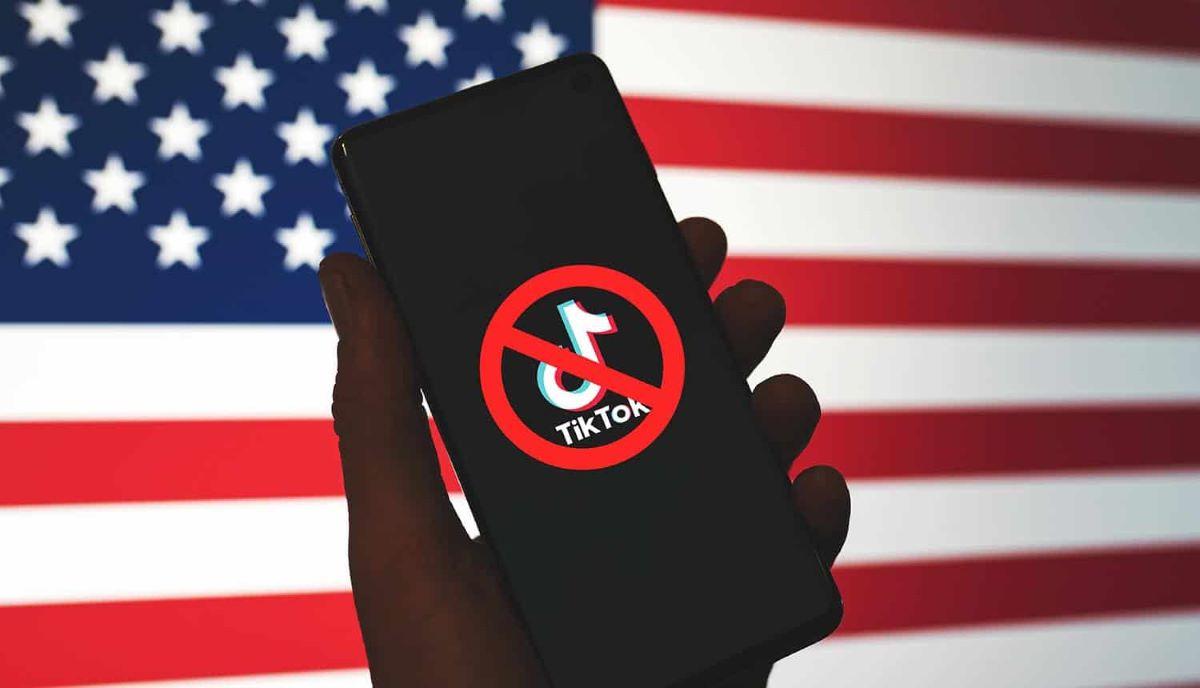
In an increasingly interconnected digital landscape, the potential ban of TikTok in the United States has raised alarming projections about the rippling consequences for global businesses. As discussions intensify around national security concerns and data privacy, the social media giant finds itself at the centre of a geopolitical storm.However, the implications of a TikTok ban extend far beyond the app itself; they could reverberate through the vast ecosystem of digital advertising, tech startups, and social media platforms reliant on the creative dynamics that TikTok has catalyzed.In this article, we delve into the multifaceted implications of a potential ban, exploring how the ripple effects could substantially impact not just TikTok’s operational viability, but also the sustained growth of numerous companies that thrive in its wake. By examining the intricate web of dependencies that characterize today’s digital economy, we seek to illuminate the broader ramifications of this contentious policy decision.
Impact on the Global Tech Industry and Market Dynamics
The potential ban of TikTok in the United States could send shockwaves through the global tech industry, catalyzing a domino effect that would extend beyond the popular social media platform. As TikTok has become a critically important player in the digital marketing landscape, numerous businesses reliant on its advertising platforms and influencer collaborations would face ample revenue losses. The ramifications could include:
- Increased competition: Rivals like Instagram Reels and YouTube Shorts may experience an influx of users and advertisers seeking alternatives.
- Market destabilization: Investors may become wary of similar platforms, leading to volatility in tech stocks tied to social media.
- Policy ripple effects: If the U.S. imposes a ban, it may embolden other nations to reconsider their own stances on foreign-owned tech applications, potentially igniting a wave of global regulation.
Furthermore, the broader ecosystem, including software developers, marketers, and content creators, would also feel the impact. Many smaller companies that have thrived thanks to TikTok’s user engagement and creator economy could find their business models seriously challenged. An analysis of affected sectors may look like this:
| Sector | Potential Impact |
|---|---|
| Advertising Agencies | Loss of clients and revenue streams dependent on TikTok. |
| Influencer Marketing | Reduced opportunities for collaborations and sponsorships. |
| Content Creation Tools | Decline in user base for tools optimized for TikTok content. |
Potential Economic Fallout for Content Creators and Small Businesses
The potential ban of TikTok in the United States carries with it significant economic ramifications that extend far beyond the app itself. For content creators, a substantial portion of their income is generated through brand partnerships and sponsored content on platforms like TikTok. A shift away from TikTok could jeopardize these income streams,forcing creators to adapt to other platforms which may not offer the same level of engagement or monetization opportunities. Moreover, smaller businesses that rely on TikTok for marketing and customer outreach could find themselves grappling with the loss of an accessible and effective advertising venue, impacting their overall sales and visibility in a fiercely competitive landscape.
Additionally, many companies have built their entire marketing strategies around TikTok’s unique algorithm and audience demographics. This reliance highlights a broader concern: the interconnectivity of digital platforms. Should TikTok’s operations cease, small businesses and independent creators might face a vacuum of audience interaction and engagement. The subsequent loss in advertising revenue could ripple through the economy, affecting not just influencers, but also the brands and service providers that support them. Consider the following table which outlines the potential ripple effects of such a ban:
| Sector | Impact |
|---|---|
| Content Creators | Loss of income from sponsorships |
| Small Businesses | Reduced visibility and customer engagement |
| Advertising Agencies | Decreased demand for digital ads |
| Affiliate Marketers | Lower conversion rates and earnings |
Navigating a Post-TikTok Landscape: Strategies for Resilience and Adaptation
The potential ban on TikTok in America could reverberate across various sectors, leading to significant shifts in user engagement and digital marketing strategies. Content creators and brands heavily reliant on this platform may need to diverge their focus to emerging alternatives. Recognizing the changing landscape, businesses should explore opportunities to cultivate a strong presence on other social media platforms such as Instagram Reels, YouTube Shorts, and Snapchat, which are rapidly evolving to capture a similar audience. Engaging consumers through diversified platforms not only mitigates risks but also fosters a more enduring brand image amidst regulatory uncertainties.
Moreover, companies can enhance their resilience by adopting a data-driven approach to understand shifting consumer preferences. Insights gathered from analytics tools may guide businesses in tailoring content that resonates across various platforms. Key strategies include:
- Investing in cross-platform advertising to broaden reach.
- Utilizing content repurposing techniques to maximize the impact of existing materials.
- Fostering community engagement through direct interaction and feedback loops on multiple platforms.
By focusing on diversifying content distribution and adapting to the evolving digital ecosystem, brands are better positioned to thrive, irrespective of TikTok’s fate.
Wrapping Up
the potential ban of TikTok in the United States raises significant implications not only for the popular social media platform but also for a myriad of related businesses that rely on its ecosystem. From advertising firms and digital marketing agencies to app developers and content creators, the ripple effects of such a decision could lead to substantial economic repercussions across the tech landscape.As the Biden administration weighs national security concerns against economic realities, the decision could set a critical precedent that shapes the future of not just TikTok, but the broader tech industry and its global interconnectedness. Stakeholders on all sides will be closely monitoring developments, as the balance between regulation and innovation continues to evolve in this complex digital age. The unfolding scenario serves as a critical case study in the broader discourse surrounding technology, governance, and economic interdependence in a rapidly changing world.










