
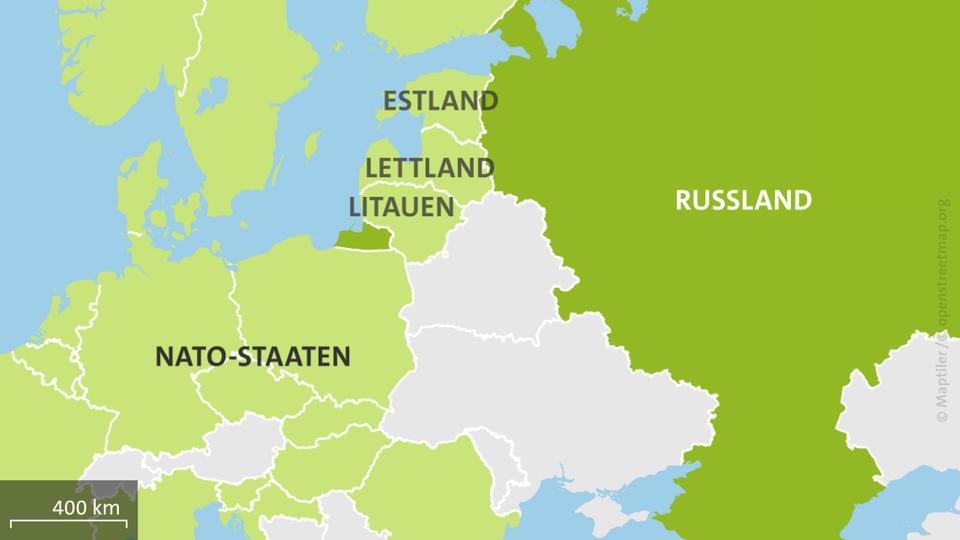
in an era marked by shifting geopolitical landscapes and rising global tensions,the North Atlantic Treaty Organization (NATO) finds itself at a crossroad. Traditionally dominated by American leadership and military might,the alliance now faces the pressing question: what would NATO look like without the guiding hand of the United States? As European nations grapple with the implications of a potentially waning American influence,the necessity for a more autonomous and self-reliant European defense strategy has never been more critical.In this article, we delve into the complexities of NATO’s evolving dynamics, exploring how European member states can harness their collective capabilities and forge a more integrated approach to security. By examining historical precedents, contemporary challenges, and strategic opportunities, we shed light on the intricate task ahead for Europe: to maintain the efficacy of an alliance originally designed for U.S.control, while navigating the uncertain waters of a multipolar world.
The Shift in European Defense Autonomy and Its Implications for NATO
the evolving landscape of European defense autonomy could substantially reshape the contours of NATO as it traditionally relies on U.S. leadership. With a growing recognition among European nations of the need for self-sufficiency,especially in light of shifting geopolitical dynamics,the emphasis on developing independent military capabilities is paramount. European nations are increasingly investing in advanced technologies and strategic partnerships that will allow them to operate independently, ensuring readiness to respond to crises without immediate U.S.support. This transition involves:
- Increased Defense Budgets: Many European countries are committing to meet or exceed the NATO guideline of 2% of GDP on defense spending.
- Enhanced Military Collaboration: Initiatives such as PESCO (Permanent Structured Cooperation) and the European Defense Fund aim at greater cooperation on defense projects.
- Focus on Cybersecurity: Building resilient cyber defense systems to counter hybrid threats is becoming a priority.
While this shift towards greater European defense autonomy has potential benefits, it also poses risks for NATO’s cohesion. A Europe less dependent on U.S. resources and support may lead to diverging strategic interests, fostering an habitat of competition over collaboration. This scenario necessitates clear communication among NATO allies to avoid misunderstandings and ensure a unified response to common threats. To gauge these shifts, the following table outlines key comparison points:
| aspect | Previous U.S.-Dominated Framework | Emerging european Autonomy |
|---|---|---|
| Decision-Making | Predominantly led by U.S. directives | Increased European input and consensus-based approaches |
| Resource Allocation | Heavy reliance on U.S. military assets | Investment in domestic military capabilities and capacity building |
| Strategic Goals | United front focusing on overarching U.S. interests | More diverse goals reflecting individual national interests |
Strategic Partnerships: building a Robust European Defense Framework
As Europe navigates the complexities of defense without U.S. leadership, fostering strategic partnerships becomes imperative for establishing an effective regional defense framework. European nations must deepen cooperation not only among themselves but also with key global players, emphasizing mutual interests and collective security. This collaboration can arise through various avenues, including:
- Joint Military Exercises: Regular training operations can enhance interoperability and readiness.
- Intelligence Sharing: Sharing critical intelligence will bolster decision-making and situational awareness.
- Research and advancement Initiatives: Pooling resources for innovative defense technologies will ensure Europe remains competitive.
- Public-Private Partnerships: Engaging private sector expertise and resources can drive efficiency and innovation in defense solutions.
Implementing a multi-layered strategic partnership framework will create resilient defense capabilities tailored to regional needs. To this end,European countries should also consider establishing a formalized coalition akin to NATO but centered on European sovereignty and interests. Such an approach could streamline decision-making processes and focus on critical objectives like:
| Objective | strategy |
|---|---|
| Enhanced Deterrence | Developing rapid response teams and investing in technology for a credible defense posture. |
| Robust Cybersecurity | Fostering cooperation in cyber defense through joint units and data sharing desks. |
| Common Procurement | Streamlining military procurement to reduce costs and ensure standardization across member states. |
Challenges and Solutions: Navigating Military Integration and Political Cohesion in a U.S.-Free NATO
The absence of the U.S.in NATO raises notable challenges for European member states, particularly in areas of military integration and political cohesion. Military capabilities vary widely among European countries, requiring a concerted effort to harmonize resources and strategies. To address this, nations must focus on the following strategies:
- Enhanced Defense Spending: European countries need to prioritize defense budgets, meeting the NATO guideline of 2% of GDP.
- Joint Military Exercises: Conducting regular collaborative drills can foster interoperability and readiness.
- Research and Development Collaborations: Investing in joint military technologies can streamline capabilities across member states.
Political cohesion is equally paramount,as differing national interests could undermine alliance unity. To strengthen ties among European nations,leaders should consider the following measures:
- Establishing a European Defense Council: A dedicated platform for discussing and coordinating defense strategies.
- Increased Diplomatic Engagement: Sustained dialogue and negotiations can address bilateral concerns and mutual interests.
- Public Awareness Campaigns: Educating citizens about collective security can build broader support for military initiatives.
| Challenge | Proposed Solution |
|---|---|
| Resource Disparity | Enhanced Defense Spending |
| Lack of Cohesion | Establishing a European Defense Council |
| interoperability Issues | Joint Military Exercises |
Future outlook
the prospect of a NATO without American leadership presents both challenges and opportunities for European nations. As the geopolitical landscape evolves, Europe may find itself at a crucial juncture, where it must redefine its role within the alliance and explore new avenues for collective security. The need for increased defense capabilities, strategic autonomy, and stronger intra-European cooperation has never been more apparent. While the absence of U.S. influence could disrupt established power dynamics,it also offers an prospect for European countries to assert their sovereignty and take ownership of continental security issues. ultimately, the future of NATO hinges not merely on the presence or absence of American power, but on Europe’s willingness to innovate and adapt in a rapidly changing world. As European leaders contemplate this unprecedented scenario, the choices they make will shape not only the future of NATO but also the broader security architecture of the region for decades to come.










