
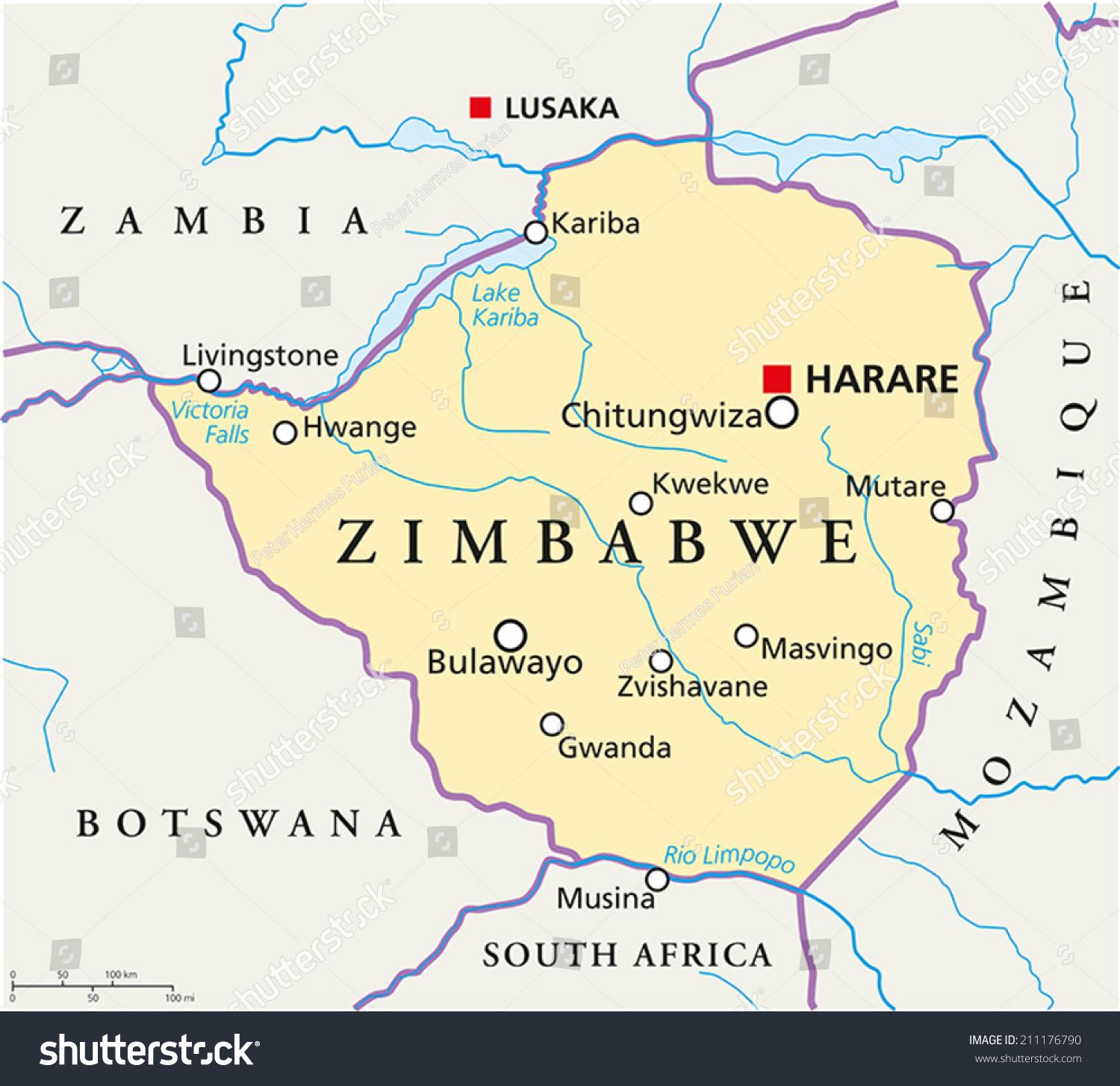
Zimbabwe’s Role in the United Nations: Embracing Global Engagement
In a significant step towards enhancing its global presence, Zimbabwe has reaffirmed its commitment to multilateralism by reinforcing its position within the United Nations. This initiative not only underscores the nation’s pursuit of sustainable development and peace but also marks its integration into international governance structures. As Zimbabwe navigates the complex terrain of contemporary global relations, it finds itself at a critical crossroads filled with both challenges and opportunities, poised to engage in essential dialogues on climate change, human rights, and economic advancement. This article explores Zimbabwe’s trajectory within the UN framework, emphasizing notable achievements, challenges faced, and future prospects for enhanced collaboration toward a more equitable global society.
The Path to UN Membership for Zimbabwe
The journey towards becoming a member of the United Nations was a crucial milestone for Zimbabwe as it transitioned from colonial rule to independence. After an arduous struggle that culminated in liberation from British control in 1980, Zimbabwe sought to reclaim its rightful place on the world stage. This aspiration was fulfilled on September 25, 1980, when Zimbabwe officially became the 151st member of the UN-a moment that signified a new era focused on peacebuilding efforts, developmental initiatives, and international cooperation.
Since joining this prestigious organization, Zimbabwe has actively engaged in various international forums advocating for issues that affect not only its citizens but also resonate throughout Africa and other developing regions. The country has participated in numerous initiatives aimed at promoting sustainable development, human rights, and climate action. Some key contributions include:
- Pursuing Sustainable Development Goals (SDGs)
- Participation in global peacekeeping missions
- < strong >A proactive role within regional organizations such as the African Union (AU)
Zimbabwe’s Influence in International Diplomacy and Development Initiatives
Zimbabwe has established itself as an influential player in global diplomacy by utilizing its strategic geographical position within Africa to foster relationships while advocating for developmental agendas worldwide. Its active involvement with organizations like the African Union (AU) and Southern African Development Community (SADC) reflects its dedication to regional unity. Key aspects shaping Zimbabwe’s diplomatic strategy include:
- < strong >Robust Multilateral Engagement: Actively collaborating with international bodies such as the United Nations to address pressing issues like public health emergencies and environmental concerns.
< li >< strong >Expanding Trade Alliances: Developing trade partnerships particularly with emerging economies aimed at enhancing economic resilience while promoting sustainable practices.
<< li >< strong >Advocacy for Human Rights: Engaging actively in discussions surrounding human rights rooted deeply within cultural values emphasizing justice.
Additionally ,Zimbabwe’s developmental agenda aligns closely with achieving Sustainable Development Goals (SDGs), demonstrating commitment towards social equity alongside economic progress .The government collaborates internationally focusing on poverty reduction ,enhancing educational access ,and improving healthcare systems .Key initiatives are summarized below :
<
>
<>Initiative Name >
<>Overview >
<>Anticipated Impact >
<
>
<<>
<<>Educational Enhancement< / td >>
<<>Improving access quality education through collaborations with NGOs globally.< /td>>
<<>Higher enrollment rates along improved literacy levels.< / td >>
>
<<>
<<>Agricultural Innovation< / td>>
<<< td>>Investing sustainably farming methods ensuring food security.< / td>>
<<< td>>Greater self-sufficiency reducing hunger levels significantly.< / td>>
>
<<>
<<>Health Programs< / td >>
<<>Collaborating WHO combatting infectious diseases effectively .< / td >>
<<>Enhanced public health outcomes lowering mortality rates overall .< / td >> >
Strategies for Strengthening Engagement with UN Initiatives from Zimbabwe’s Perspective
Z imbabwe can bolster participation across various United Nations programs by implementing comprehensive strategies encompassing diplomatic outreach ,economic collaboration,and social engagement efforts.Strengthening ties diplomatically among key UN members could facilitate increased cooperation regarding developmental projects which may involve :
- Bilateral agreements aligning objectives set forth by UN mandates .
- Cohosting missions or conferences sharing best practices solutions addressing common challenges faced globally .
- Cultivating capacity-building workshops empowering local officials understanding better how navigate through complex processes involved working alongside organizations like those found under umbrella known simply “UN”. Â
ÂTanzania’s Construction Boom: Can the Sector Surpass Sh40 Trillion Despite Affordability Hurdles?
Tanzania's construction sector is on the brink of an exhilarating transformation, projected to reach a staggering Sh40 trillion! This remarkable...
Read moreDetails









