
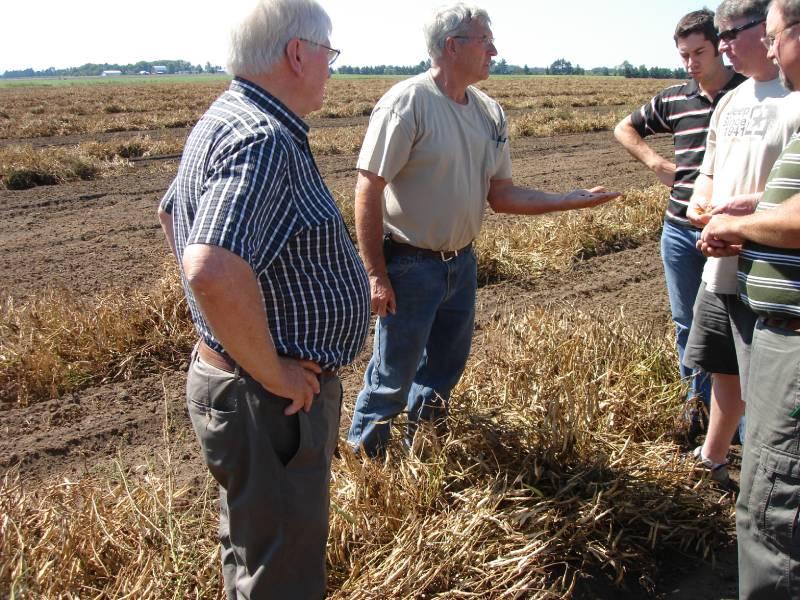
In the late 1990s and early 2000s, Zimbabwe underwent a tumultuous period marked by widespread land reform that drastically altered the agricultural landscape of the nation. This controversial program aimed to rectify historical injustices linked to colonial land ownership but ultimately led to profound repercussions for both white and black farmers alike. Nearly two decades later, the effects of these land grabs continue to resonate, as communities grapple with issues of displacement, loss of livelihoods, and enduring economic challenges. In this article, we explore the complex legacies of Zimbabwe’s land reform, delving into the personal stories of those who have been affected, and examining the broader socio-economic implications that linger in a country still striving for recovery and reconciliation. As Zimbabwe seeks to rebuild its agricultural sector, understanding the scars left by this pivotal moment in history is crucial for informing future policies and fostering healing among its divided communities.
The Enduring Legacy of Land Reclamation: Impact on White and Black Farmers in Zimbabwe
The controversial land reform policy in Zimbabwe, initiated in the late 1990s, has left an indelible mark on both Black and White farmers, reshaping their livelihoods and agricultural practices. Following the government-sanctioned seizure of land from predominantly White farmers, the socio-economic landscape transformed, creating deep-seated divisions and a toxic legacy. Black farmers, while gaining access to previously unreachable land, often encountered significant challenges, including lack of resources, inadequate training, and insufficient support systems. This juxtaposition of opportunity and adversity has revealed a complex reality where what should have been empowerment often turned into struggle.
For White farmers, the ramifications have been equally profound, leading to a significant exodus from the country and a painful severing of ties with generations of heritage. Many have reported feelings of displacement and loss, grappling with the reality of having been labeled both a victim and a symbol of colonial legacy. This duality presents an evolving narrative where land reclamation, intended to rectify historical injustices, has instead perpetuated economic and emotional scars. The following table summarizes the contrast in experiences faced by both groups:
| Farmer Group | Key Challenges Faced | Opportunities Gained |
|---|---|---|
| Black Farmers |
|
|
| White Farmers |
|
|
Navigating the Challenges of Agriculture: Economic Consequences and Community Resilience
The divisive legacy of land reform in Zimbabwe has left profound economic implications that affect farmers across racial lines. Both Black and White farmers continue to grapple with the repercussions of forced land seizures, resulting in a duality of struggles. Many Black farmers, once envisioned as beneficiaries of redistribution, often find themselves without the necessary support systems and infrastructure to thrive. Meanwhile, White farmers, who have faced dispossession, suffer from the loss of livelihood and the social stigma associated with their status. The long-term economic stability of agriculture in Zimbabwe is at stake, with the following issues being prevalent:
- Decreased Agricultural Output: The abrupt transition disrupted not only production but also the expertise necessary to manage agricultural systems effectively.
- Market Instability: Fluctuations in crop yields lead to inconsistent supply, making it difficult for farmers to predict income and plan for the future.
- Loss of Investment: Many farmers lost their land without due compensation, resulting in a significant decline in both domestic and foreign investment in the agricultural sector.
Community resilience shines through in the face of these challenges, as both groups have embarked on collaborative initiatives aimed at restoring agricultural integrity. Grassroots movements are emerging, focusing on cooperative farming models and knowledge sharing among farmers. These efforts have resulted in innovative approaches to sustainable practices, such as:
| Practice | Description |
|---|---|
| Crop Rotation | Enhances soil fertility and reduces pest levels. |
| Community Seed Banks | Preserves diverse seed varieties and ensures access to local farmers. |
| Water Conservation Techniques | Helps to efficiently manage water resources in an increasingly dry climate. |
Through these initiatives, communities are not only striving to rebuild their agricultural economy but are also fostering unity that transcends racial barriers. This resilience is paramount for a sustainable path forward, as it blends the strengths of both communities into a collective effort to address the economic scars left by past policies.
Pathways to Reconciliation and Growth: Recommendations for a Sustainable Farming Future in Zimbabwe
Achieving a sustainable farming future in Zimbabwe necessitates a multifaceted approach that embraces inclusivity and reconciliation between Black and White farmers. Engagement and dialogue are critical first steps; creating platforms for open communication where farmers can share their experiences and grievances fosters understanding. Key recommendations include:
- Restorative Justice Initiatives: Implement policies that address past injustices while promoting shared ownership of the land.
- Cooperative Farming Models: Encourage collaborative ventures between diverse farming communities to enhance productivity and resource sharing.
- Investment in Agricultural Education: Establish training programs that support traditional and innovative farming techniques, benefiting all demographics.
Furthermore, governmental and non-governmental organizations must work in tandem to facilitate fair access to resources. This could be achieved through:
| Action | Description |
|---|---|
| Policy Reform | Revise land ownership laws to incorporate equitable practices for all farmers. |
| Financial Support Programs | Provide grants and loans specifically designed to assist smallholder farmers from both communities. |
| Community Workshops | Organize events focused on conflict resolution and collaborative farming techniques. |
By prioritizing these pathways, Zimbabwe can ensure a more resilient agricultural sector that acknowledges its complicated past while fostering a collective future for all its farmers.
In Conclusion
In conclusion, the legacy of Zimbabwe’s land reform program continues to reverberate through the lives of both white and black farmers, underscoring the complexities of land ownership and social equity in the country. While the land grabs of the early 2000s aimed to redistribute land from colonial-era beneficiaries to marginalized black citizens, the aftermath has left deep-seated scars that hinder reconciliation and economic stability. As both groups grapple with their past, ongoing struggles reveal a persistent cycle of trauma and confrontation over rights and livelihoods. This enduring conflict not only shapes the agricultural landscape but also reflects broader societal tensions within Zimbabwe. As the nation moves forward, addressing these inequalities and fostering dialogue will be crucial for healing and a sustainable agricultural future in the country.










