
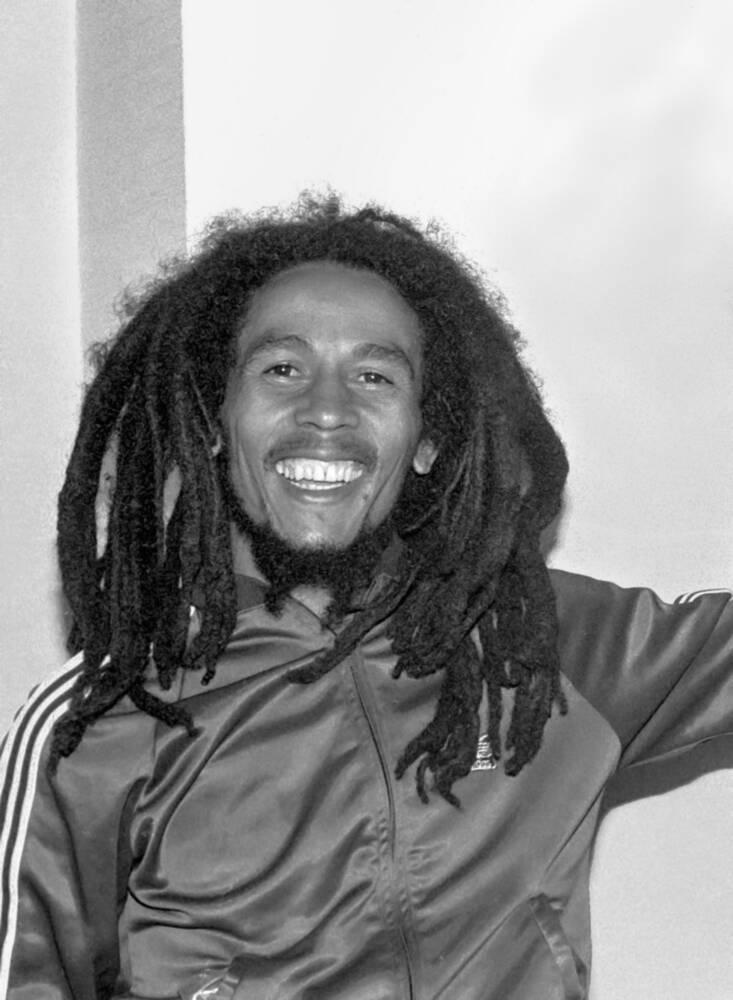
On April 18, 1980, a historic moment unfolded in Zimbabwe as the nation celebrated its hard-won independence from colonial rule. Amid the jubilant crowds and fervent nationalism, a singular musical legend took the stage: Bob Marley. Known for his profound impact on reggae music and its global resonance, Marley chose to pay his own way to perform at this monumental concert, solidifying his commitment to the ideals of freedom and unity that underpinned Zimbabwe’s liberation struggle. This article revisits that pivotal event, exploring the cultural significance of Marley’s performance, the political climate of the time, and the enduring legacy of his message of hope and resilience. As we reflect on this moment four decades later, we gain insight into the profound connection between music, politics, and social change in the context of Zimbabwe’s journey to independence.
Bob Marley’s Historic Role in Zimbabwe’s Independence Celebration
In April 1980, Zimbabwe’s newfound freedom was celebrated with a monumental concert that marked the end of colonial rule and the dawn of independence. Bob Marley, a symbol of rebellion and unity, chose to use his voice to resonate with the spirit of the moment. By personally financing his travel and performance, Marley demonstrated a profound commitment to the struggle for liberation that had long been a part of his ethos. His presence was not just a musical act but a powerful statement, aligning his message of peace and resilience with the aspirations of a nation eager to forge its identity.
The concert brought together an audience of thousands, showcasing not only Marley’s iconic hits but also a shared sense of hope among attendees. As Marley performed songs like “One Love”, “Get Up, Stand Up”, and “Redemption Song”, the atmosphere was electric with a collective desire for change. His music, deeply rooted in themes of social justice, echoed the sacrifices made by many in the fight for independence. The collaboration between Marley’s artistry and Zimbabwe’s pivotal moment in history encapsulated the intertwined nature of music and political awakening, leaving an indelible mark that continues to be celebrated four decades later.
Cultural Significance and Legacy of the Zimbabwe Concert
The Zimbabwe Concert, held in 1980, transcended mere entertainment to become a poignant symbol of freedom and resilience for a nation emerging from colonial rule. Bob Marley’s performance, characterized by passion and political commentary, resonated deeply with the newly independent Zimbabweans. The event wasn’t just a celebration of independence; it served as a unifying force, bringing together diverse communities and emphasizing the importance of cultural identity. As Marley famously stated during the concert, his music aimed to “liberate the minds of the people,” a sentiment that highlights the intertwining of music and political struggle in African history.
In the decades following the concert, its legacy has continued to shape Zimbabwe’s cultural landscape. The concert stood as a precedent for future artistic expressions tied to social and political movements, inspiring countless musicians and artists within and beyond Zimbabwe’s borders. The impact can be observed in various forms, including:
- The Rise of Afro-Pop: Artists began to infuse traditional African sounds with modern genres.
- Social Activism: Musicians embraced their roles as voices for change, often addressing issues like governance and human rights.
- Cultural Festivals: Events celebrating music and arts blossomed, honoring the spirit of collective resistance.
As Bob Marley’s legacy endures, the Zimbabwe Concert remains a focal point in discussions about the role of music in liberation movements, illustrating how a single event can ripple through time and inspire generations.
Lessons from Bob Marley’s Contribution to Music and Activism
Bob Marley’s influence extends beyond his melodious reggae tunes; it echoes in the realms of social justice and political activism. Serving as both an artist and a humanitarian, Marley used his platform to shed light on critical issues faced by oppressed communities. His decision to perform in Zimbabwe’s independence concert in 1980 is particularly noteworthy, demonstrating his commitment to not only unifying people through music but also advocating for their rights. His involvement illustrated how musicians could harness their popularity to support revolutionary movements and encourage freedom, enhancing the cultural and political fabric of the African continent.
Marley’s music was a vehicle for change, compelling his listeners to confront issues such as inequality and injustice. The messages embedded in his lyrics often sparked conversations around activism, urging individuals to take a stand. Some of the key lessons that can be derived from Bob Marley’s approach to music and activism include:
- Authenticity: Remaining true to one’s roots and beliefs can inspire others.
- Empowerment: Music has the potential to uplift those who feel voiceless and marginalized.
- Unity: Embracing a collective identity strengthens movements for social change.
- Responsibility: Artists have a duty to engage with societal issues and promote awareness.
The Conclusion
In conclusion, Bob Marley’s performance at Zimbabwe’s independence concert more than four decades ago remains a pivotal moment in the intersection of music and social change. By personally financing his trip and using his platform to advocate for freedom and unity, Marley not only entertained but also inspired a nation emerging from colonial rule. His willingness to support Zimbabwe’s struggle resonates to this day, highlighting the profound impact artists can have on social and political movements. As we reflect on this significant event, it’s clear that Marley’s legacy extends far beyond his music, continuing to serve as a symbol of hope and resilience in the face of adversity.










