
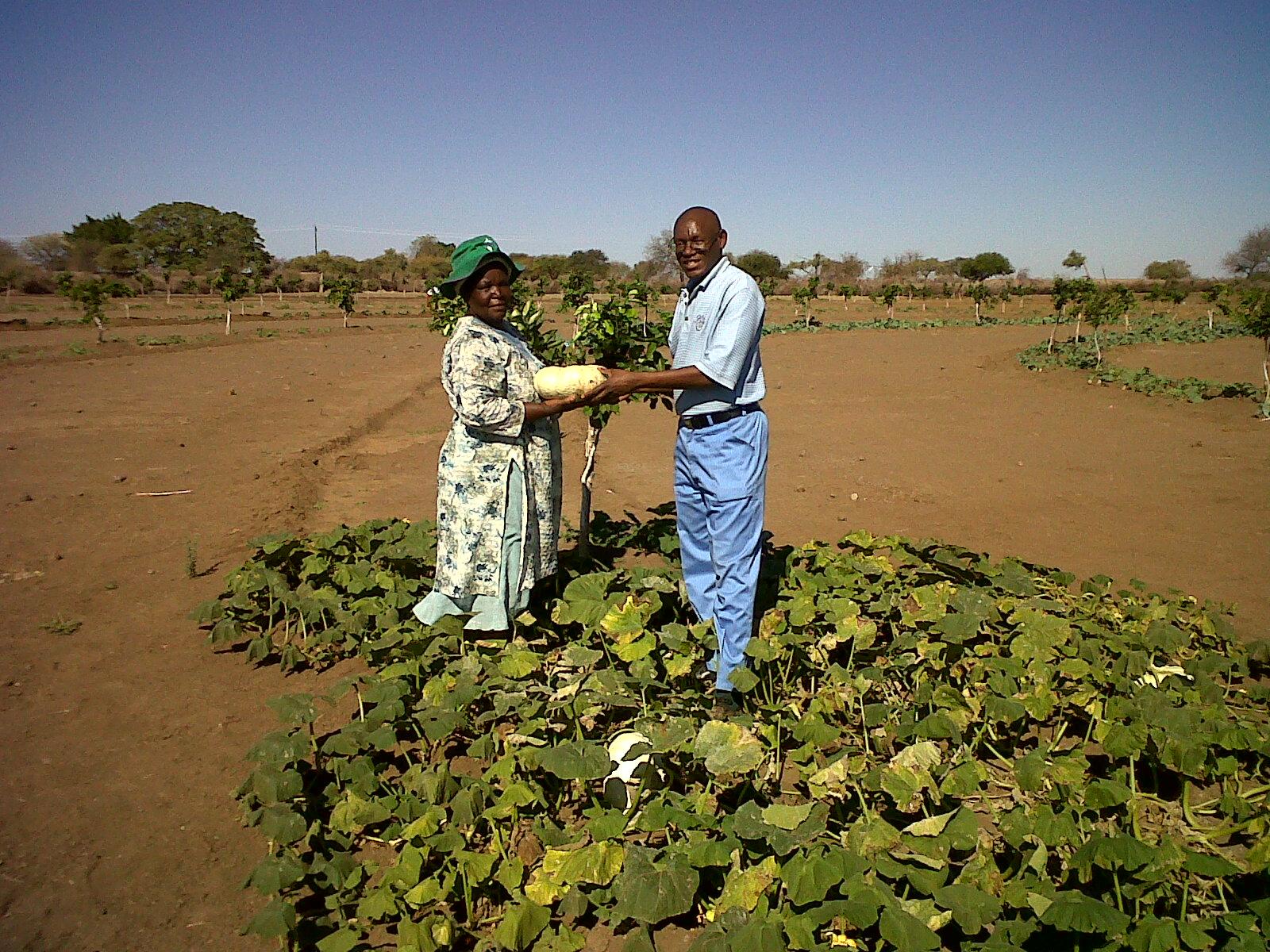
Zimbabwe’s Farming Fallout 25 Years On: Deal or No Deal?
In the heart of Southern Africa lies Zimbabwe, a nation once celebrated for its lush landscapes and fertile soil, often referred to as the “breadbasket” of the region. Though, the past quarter-century has seen the nation navigate a tumultuous journey marked by economic instability, social unrest, and controversial land reform policies that have irrevocably altered the agricultural landscape. Twenty-five years after the Zimbabwean government initiated a chaotic land redistribution program, the ramifications of these decisions continue to reverberate through its economy and society. This article delves into the complex legacy of these reforms, examining whether the deals struck in the name of recovery have truly led to progress or further entrenched hardship for farmers and communities across the nation. With insights from agricultural experts, affected farmers, and economic analysts, we explore the critical question: has Zimbabwe found a sustainable path forward in its agricultural practices or is it still mired in the fallout of its past?
The Legacy of Land Reform: Economic Consequences for Zimbabwean Agriculture
The land reform program initiated in the early 2000s remains a topic of intense debate as its economic consequences continue to ripple through Zimbabwe’s agricultural landscape. Once hailed as one of the breadbaskets of Africa, Zimbabwe’s agricultural sector has faced significant challenges since the redistribution of land.While the aim was to rectify historical inequalities,the rapid and often chaotic implementation led to a decline in commercial farming,resulting in a sharp drop in productivity. Many former commercial farms fell into disrepair, and a shift from large-scale farming to subsistence agriculture has left a gap in both domestic food security and exports.
Economic indicators reveal the profound impact of these reforms, with a significant portion of the agrarian economy struggling to regain its footing. Key factors include:
- Decline in Agricultural Output: Crop yields have plummeted, with reports indicating that maize, a staple crop, production fell by over 50% at its peak.
- Increased Food Insecurity: The shift towards subsistence farming has led to a rise in food shortages and malnutrition rates among the population.
- Loss of Export Revenue: Agricultural exports, which were once a major source of foreign currency, have significantly declined, exacerbating the country’s economic crisis.
Despite efforts to revitalize the sector through various initiatives and foreign investments, the overall recovery remains slow.A recent analysis of the agricultural economy highlights that many smallholder farmers still lack access to critical resources such as financing, seeds, and modern equipment, which stifles growth and innovation. The table below captures the changes in key agricultural metrics over the last two decades:
| Year | Crops Produced (Metric Tons) | Food Insecurity Rate (%) | Agricultural Exports ($ Billion) |
|---|---|---|---|
| 2000 | 3.1 million | 15% | 1.5 |
| 2010 | 1.2 million | 35% | 0.5 |
| 2020 | 1.0 million | 60% | 0.2 |
Rebuilding Trust: The Role of Government and International Partnerships in Farming Recovery
As Zimbabwe confronts the enduring impacts of its agricultural crisis, the urgent need for rebuilding trust among farmers, government bodies, and international stakeholders becomes evident. Central to this recovery is the establishment of transparent policies that ensure equitable access to resources and fair land use practices. Government initiatives must prioritize the restoration of agricultural infrastructure, coupled with effective communication channels that facilitate collaboration with farmers. By fostering an surroundings of mutual respect and accountability, authorities can encourage a more productive dialogue that resonates with all parties involved.
Moreover, international partnerships play a crucial role in supporting Zimbabwe’s revitalization efforts. Collaborative programs can focus on providing technical assistance, financial investment, and capacity-building training tailored to local needs.Key areas of partnership could include:
- Access to innovative farming technologies.
- Research and development for sustainable agriculture.
- Market access and trade agreements.
- Environmental restoration and climate resilience initiatives.
Establishing platforms for dialogue among government officials, local farmers, NGOs, and international donors can significantly enhance the recovery process, ensuring that all stakeholders work toward a common goal-transforming Zimbabwe’s agricultural sector into a thriving entity that honors its rich farming heritage while adapting to contemporary challenges.
Sustainable Solutions: Recommendations for Revitalizing Zimbabwe’s Agricultural Sector
To breathe new life into Zimbabwe’s agricultural sector, it is essential to adopt sustainable farming practices that not only address current challenges but also enhance long-term productivity. Embracing agroecology can mitigate the adverse effects of climate change and soil degradation. Farmers can benefit from crop diversification, incorporating resilient crops that withstand drought and pests.This approach not only improves food security but also helps restore biodiversity. Furthermore, investment in organic farming methods can reduce dependency on chemical inputs, thereby promoting soil health and ensuring safer produce for local communities.
The government must also prioritize infrastructure development to support farmers in accessing markets and vital resources. Addressing issues such as irrigation systems and road networks will facilitate better supply chains and reduce post-harvest losses. Additionally, collaboration with local farming cooperatives can empower farmers through knowledge sharing and resource pooling. Creating platforms for microfinance solutions can enable farmers to invest in necessary tools and technologies, fostering innovation and sustainability within the sector.
Final Thoughts
the agricultural landscape of Zimbabwe, two and a half decades after the controversial land reforms, remains a complex tapestry of challenges and opportunities. While some farmers have embraced new practices and technologies, the scars of past policies continue to hinder broader economic recovery and agricultural resilience. As Zimbabwe navigates its path forward, the pressing questions surrounding land ownership, food security, and sustainable farming practices will demand careful consideration and innovative solutions.The experiences of the past serve as a poignant reminder of the intricate balance between policy decisions and their real-world implications. Moving forward, it is indeed essential for all stakeholders-government, farmers, and international partners-to engage in meaningful dialogue and collaboration to forge a future that ensures both productivity and equity in Zimbabwe’s agricultural sector. Only through concerted effort and a commitment to fair practices can the nation hope to transform its farming fallout into a narrative of renewal and growth.










