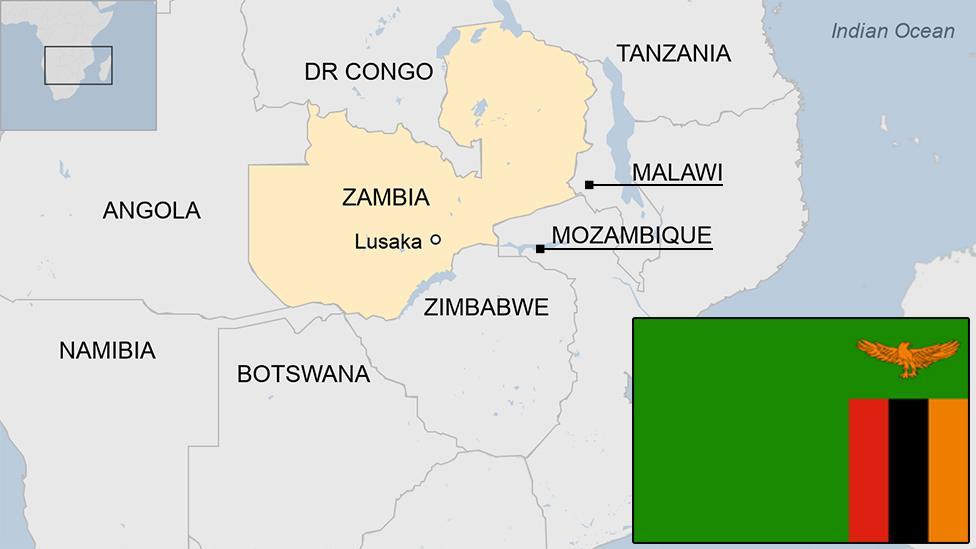
Zambia’s ongoing struggle with debt restructuring is facing significant hurdles, primarily stemming from complications involving the African Export-Import Bank (Afreximbank). This financial institution, which plays a pivotal role in supporting African economies through trade financing, has become a focal point in Zambia’s efforts to alleviate its mounting debt burden. As international creditors and local stakeholders seek a viable path forward, the resolution of issues related to Afreximbank’s participation in the restructuring process is critical. With Zambia’s economic stability hanging in the balance, the unfolding situation underscores the complexities of navigating debt relief in a challenging global financial landscape. This article delves into the intricacies of Zambia’s debt predicament, the role of Afreximbank, and the implications for the country’s economic future.
Zambia’s Debt Challenges Deepen Amid Afreximbank Hurdles
Zambia’s ongoing challenges in managing its debt have reached a critical point, largely exacerbated by complications with the African Export-Import Bank (Afreximbank). The country’s efforts to restructure an overwhelming debt load have been hindered by stringent conditions and bureaucratic hurdles imposed by the bank. Stakeholders are increasingly concerned as the lengthy negotiations have left Zambia without a clear path forward, forcing the government to explore alternative financing solutions to stabilize its economy. Among the notable obstacles are:
- Debt Composition: Zambia’s debt portfolio includes a mix of bilateral, multilateral, and commercial loans, complicating negotiations.
- Credit Conditions: Afreximbank’s demands have introduced additional financial strain.
- Political Instability: Uncertainty in the political landscape raises concerns among creditors.
As Zambia grapples with these intricacies, it is crucial for the government to devise a comprehensive strategy that addresses both the immediate financial requirements and the longer-term structural issues. Efforts to engage with international partners and multilateral institutions are underway, aiming to create a more favorable environment for negotiations. A collaboration table showcasing key stakeholders can offer insights into the complexity of Zambia’s debt situation:
| Stakeholder | Type of Debt | Current Status |
|---|---|---|
| Afreximbank | Bilateral Loan | Under Negotiation |
| World Bank | Multilateral Loan | Supportive but Cautious |
| Private Creditors | Commercial Loans | Seeking Restructuring Agreement |
Exploring the Implications of Afreximbank’s Role in Zambia’s Financial Recovery
The role of Afreximbank in Zambia’s financial landscape is increasingly pivotal, particularly as the country navigates the complexities of debt restructuring. This multilateral financial institution has positioned itself as a crucial player in facilitating trade and financing development across African nations. In Zambia, Afreximbank’s involvement is intended to help stabilize the economy through a variety of mechanisms, including providing liquidity support and restructuring loans. However, recent challenges have surfaced, revealing that unresolved issues within the bank’s operational framework could potentially hinder the broader recovery strategy.
Key points of concern regarding Afreximbank’s influence on Zambia’s financial recovery include:
- Debt arrears: A significant portion of Zambia’s debt portfolio remains in distress, complicating negotiations and impeding timely resolutions.
- Coordination with stakeholders: Delays in aligning the interests of creditors and local authorities could undermine collaborative efforts to restore economic stability.
- Market confidence: Ongoing ambiguities regarding Afreximbank’s strategy might discourage foreign investments crucial for revitalizing the Zambian economy.
To shed light on the financial context, the following table summarizes Zambia’s major debt obligations and Afreximbank’s contributions:
| Debt Class | Amount (in million USD) | Afreximbank Contribution (in million USD) |
|---|---|---|
| Sovereign Debt | 12,000 | 1,500 |
| Commercial Loans | 2,500 | 500 |
| Multilateral Loans | 3,000 | 700 |
Strategic Recommendations for Navigating Zambia’s Debt Restructuring Quagmire
As Zambia grapples with its complex debt restructuring process, several strategic recommendations can guide its government and stakeholders toward a more sustainable resolution. First and foremost, enhancing communication with key international financial institutions, especially Afreximbank, will be vital. By fostering a transparent dialogue, Zambia can clarify its financial needs and build a collaborative approach to tackling the outstanding issues. This should be complemented by prioritizing local stakeholder engagement, ensuring that affected communities are informed and involved in discussions that directly impact their economic future. Such initiatives may help alleviate public dissent and create a more unified front as the nation forges ahead.
In addition, diversifying Zambia’s economic portfolio is crucial for reducing dependence on foreign loans. By exploring new sectors for investment, such as renewable energy and tourism, the country can enhance its revenue streams and create a more resilient economy. A specific focus on public-private partnerships (PPPs) could stimulate local investment while mitigating the burden of debt. The government should also conduct a thorough analysis of its current expenditures and prioritize essential services to free up resources for debt repayment. These moves, combined with a robust monitoring mechanism, could significantly improve Zambia’s standing in the eyes of creditors and pave the way for a smoother restructuring process.
The Conclusion
In conclusion, while Zambia’s efforts toward debt restructuring are critical for stabilizing its economy and fostering growth, the ongoing challenges associated with Afreximbank highlight the complexities of international financial negotiations. As the government grapples with these hurdles, the outcomes will not only impact Zambia’s immediate fiscal situation but also set precedents for how similar cases are managed in the future. Stakeholders, including creditors and international financial institutions, must navigate the intricacies of this process with care, as the resolutions reached will play a crucial role in restoring confidence and facilitating Zambia’s path toward economic recovery. With the eyes of the international community on this unfolding situation, the coming months will be pivotal in determining the trajectory of Zambia’s economic landscape.