
Autonomy is Not the Answer for Western Sahara: A Critical Examination
As the struggle for self-determination in Western Sahara endures, discussions surrounding potential solutions continue to circulate among policymakers and NGOs alike. The notion of autonomy has gained traction in recent years as a suggested path toward resolution, yet this approach raises essential questions about its efficacy and morality.In this article, we delve into the complexities of the Western Sahara conflict, analyzing the implications of autonomy as a proposed solution and exploring option perspectives that aim to address the core issues at stake. By examining historical context, regional dynamics, and the voices of those most affected, we aim to provide a comprehensive understanding of why autonomy may not be the panacea that advocates suggest, and why a reevaluation of strategies is critically needed for lasting peace and justice in the region.
Understanding the Historical Context of Western Sahara’s Struggle for Self-Determination
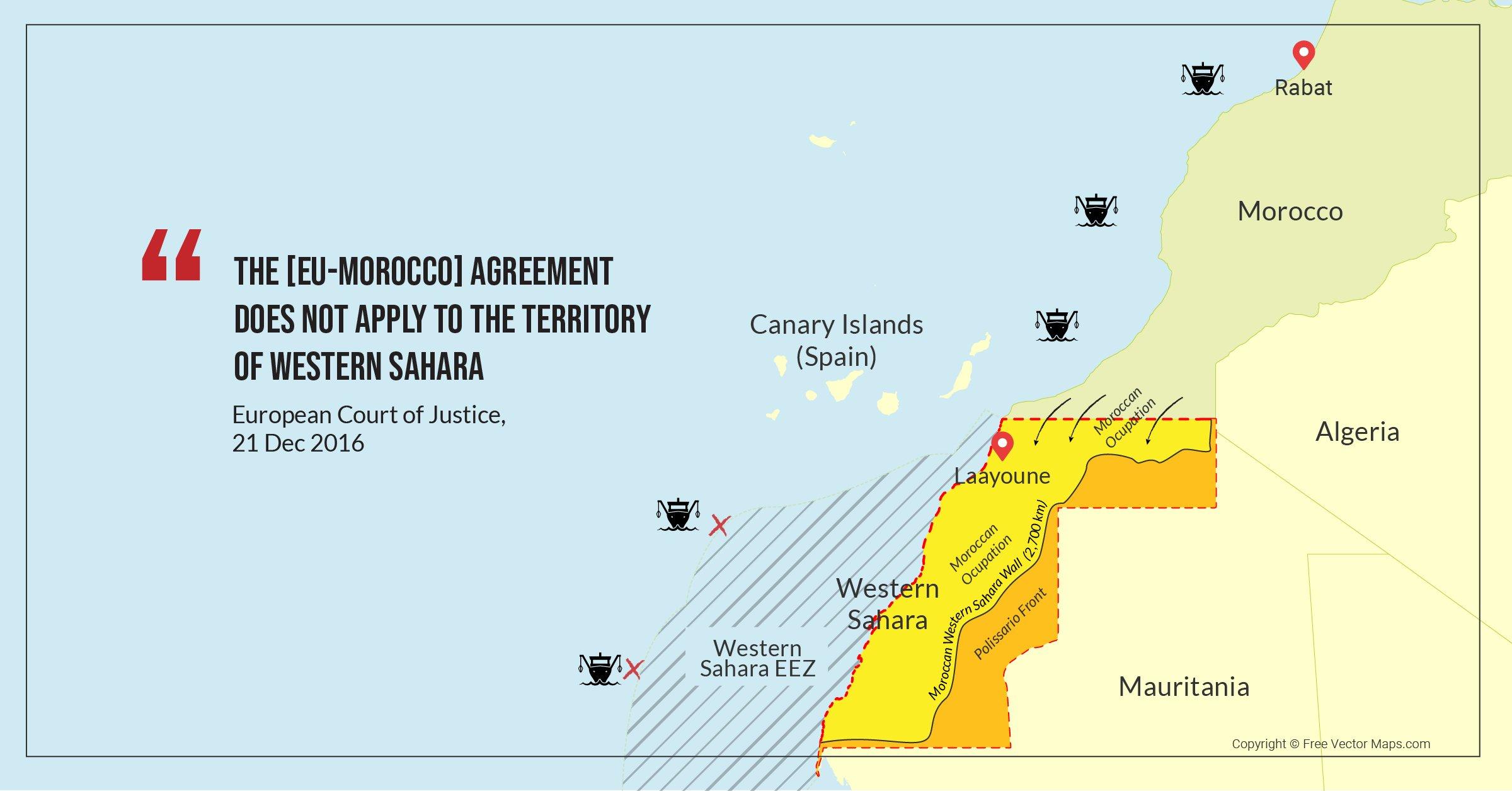
The struggle for self-determination in Western Sahara is rooted in a complex historical backdrop that intertwines colonial legacies, international law, and regional geopolitics. In 1975, Spain, as the colonial power, withdrew from the territory, leading to a power vacuum that was quickly filled by Morocco and Mauritania’s military interventions. This incursion sparked conflict, prompting the Sahrawi people’s quest for sovereignty under the banner of the Polisario Front. Their ongoing fight has not only emphasized their plight but has also highlighted the broader implications for international human rights and the principle of self-determination, which is enshrined in several United Nations resolutions.
The repercussions of this historical context continue to resonate today, influencing opinions on the legitimacy of various solutions proposed over the decades. Many argue that autonomy within Morocco, often presented as a compromise, fails to address the core issue of the Sahrawi people’s right to self-determination.Key arguments against this approach include:
- The dilution of Sahrawi identity: Autonomy may hinder the preservation and celebration of Sahrawi cultural and national identity.
- Limited political representation: Given Morocco’s control over the region, true autonomy would likely restrict the Sahrawi’s capacity to govern themselves effectively.
- Risk of ongoing conflict: A lack of genuine independence may perpetuate tensions and hinder long-term peace in the region.
Ultimately, the historical injustices faced by the Sahrawi people necessitate a commitment to their unalienable right to self-determination, signaling that autonomy alone cannot resolve the longstanding grievances born out of colonialism and occupation.
Evaluating the Limitations of Autonomy Proposals in Resolving the Western Sahara Conflict
The proposals advocating for autonomy in Western Sahara frequently enough overlook the profound historical and socio-political complexities of the region. Despite the potential for self-governance to appear as a compromise, it fails to address the fundamental issues of sovereignty and self-determination that have long fueled the conflict. Key limitations of these autonomy strategies include:
- Inadequate Recognition of Rights: Autonomy proposals may not sufficiently guarantee the rights and wishes of the Sahrawi people, leaving key issues unaddressed.
- Lack of Genuine Sovereignty: Many proposals treat autonomy as a means of diminishing the Moroccan presence while failing to remove it entirely.
- Risk of Statelessness: The uncertainty surrounding autonomy could perpetuate a state of limbo, denying the Sahrawi people a viable political identity.
Furthermore,the implementation of autonomy may inadvertently solidify existing divisions among the Sahrawi population,fragmenting their collective identity and resolve. Considerations include:
- Cultural Assimilation: Autonomy might facilitate Morocco’s assimilation efforts, further marginalizing Sahrawi culture and identity.
- Economic Dependence: Autonomous governance may tether the regional economy to Moroccan interests, undermining local self-determination.
- International Dynamics: The global political landscape could complicate the integration of autonomy within regional stability frameworks,leaving the Sahrawi people vulnerable.
Advocating for Broadening International Engagement Towards Lasting Peace in Western Sahara
The situation in Western Sahara calls for a comprehensive approach that goes beyond mere autonomy. While some advocates argue for greater self-governance under the auspices of Morocco, this perspective neglects the fundamental right of the Sahrawi people to self-determination. A genuine path towards lasting peace must involve a greater commitment from the international community, emphasizing the importance of dialogue and multilateral engagement. Key steps in this advocacy should include:
- Enhanced Diplomatic Efforts: Countries should prioritize dialogue, fostering an habitat where both the Sahrawi and Moroccan authorities can discuss and negotiate solutions without external pressure.
- International Oversight: Establishing a framework that allows for unbiased monitoring of human rights conditions in the region can help build trust and ensure accountability.
- Inclusion of Sahrawi Voices: Any peace process must authentically integrate Sahrawi representatives, ensuring that solutions reflect the will and desires of the people.
In order to effectively advocate for this broader international engagement, a strategic coalition of nations, NGOs, and humanitarian organizations should be formed. This coalition can unify resources and strategies, amplifying calls for justice and a fair resolution. Building sustainable peace requires:
| Action Item | Description |
|---|---|
| Awareness Campaigns | Educate global citizens on the Sahrawi plight to foster international support. |
| Peace Conferences | Organize forums for stakeholders to share perspectives and develop actionable solutions. |
| Funding for Growth | Direct financial resources to support initiatives that empower Sahrawi communities. |
Final Thoughts
the question of autonomy for Western Sahara remains a contentious and complex issue that extends far beyond a simple solution. The exploration of autonomy as a potential path to resolution has revealed deep-rooted challenges, including ongoing geopolitical tensions, historical grievances, and the aspirations of the Sahrawi people for self-determination. As the international community grapples with the intricacies of this longstanding conflict, it becomes evident that mere autonomy may not suffice in addressing the fundamental rights and aspirations of those affected. A comprehensive approach that prioritizes dialogue, respect for human rights, and genuine political will is essential for a sustainable and just resolution in Western Sahara. As the situation continues to evolve, it is crucial for advocates, policymakers, and stakeholders to remain engaged, ensuring that the voices of the Sahrawi people are heard and that their quest for freedom and dignity is not overlooked in the pursuit of regional stability.










