
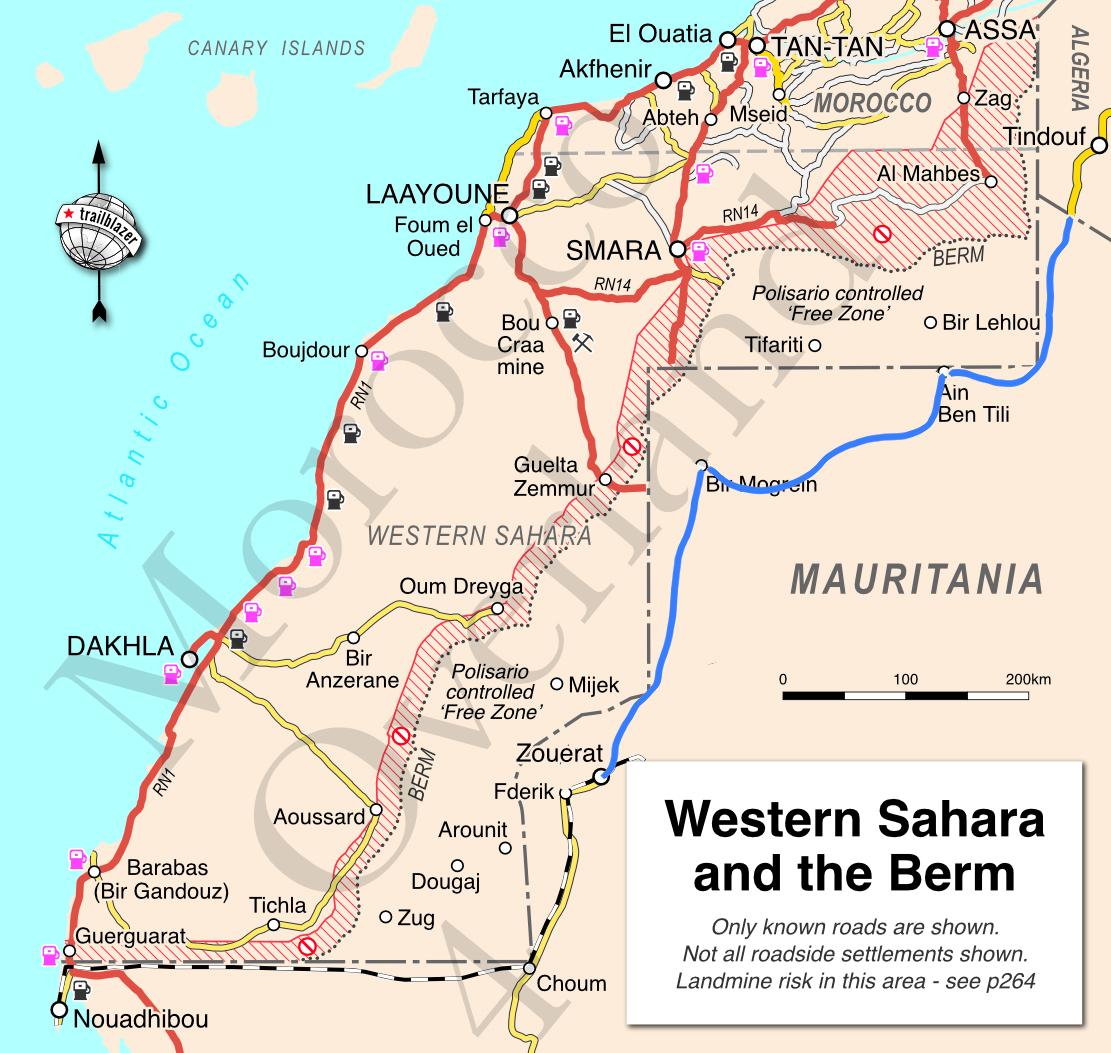
Introduction
In a landscape where both the physical and political sands are in constant flux, Western Sahara emerges as a poignant symbol of persistent strife and unmet aspirations. As one of the final territories listed by the United Nations as non-self-governing, its pursuit of self-determination is entangled in a web of historical legacies, geopolitical rivalries, and an ongoing quest for identity. Although there have been occasional signs suggesting potential resolutions, the situation remains elusive—characterized by stagnation and conflicting international interests. This article explores the complex geopolitical dynamics surrounding Western Sahara,highlighting the implications of its prolonged struggle for autonomy,the ambitions held by the Sahrawi people,and how regional powers along with global entities influence this scenario. By dissecting these layers within this intricate conflict, we aim to ascertain whether a resolution is genuinely attainable or simply an illusion amidst shifting alliances and escalating tensions.
Historical Background of Western SaharaS Independence Movement
The fight for independence in western Sahara has deep historical roots, shaped considerably by colonial influences and geopolitical factors. Following World War II, decolonization movements surged across Africa providing momentum for Sahrawi aspirations toward autonomy. In the late 19th century, Spain established control over Western Sahara; though it was not until 1975 that Spain withdrew under pressure from various fronts through the Madrid Accords—leaving Morocco and Mauritania to stake their claims on this territory. This led to intense conflict marked by resistance from groups like Polisario Front which emerged to advocate for establishing an autonomous Sahrawi Arab democratic Republic (SADR). The legacy of colonialism continues to resonate deeply within sahrawi society today.
The global response towards this ongoing conflict has been inconsistent; nations often prioritize their strategic interests over supporting self-determination principles. Significant milestones include:
- UN Resolution 1514 (1960): Affirming self-determination rights for colonized nations.
- The Ceasefire Agreement (1991): Aimed at facilitating a UN-led referendum on self-determination that remains unfulfilled.
- Persistent diplomatic strains: Resulting from Morocco’s sovereignty claims juxtaposed against Algeria’s backing of Sahrawi independence.
This geopolitical deadlock not only prolongs struggles for autonomy but also complicates regional alliances while affecting international relations—with vast stretches of desert serving both symbolic significance and also strategic importance in North Africa.
Geopolitical Implications and Global Involvement in Western Sahara
the quest for self-governance in Western Sahara transcends local boundaries; it stands at a crossroads reflecting broader global tensions. Central to this issue is an intricate interplay among national ambitions, historical grievances rooted in colonialism alongside desires for sovereignty itself. Several key players have intertwined their foreign policies with developments occurring within Western Sahara through various means such as diplomatic support initiatives or military partnerships including:
- Morocco: Advocates strongly asserting territorial claims while leveraging relationships with western allies.
- Algeria: Provides unwavering support towards Sahrawi independence framed through anti-colonial perspectives.
- Spain: Historical connections complicate neutrality amid calls advocating self-rule.
- The United States:
This international involvement adds layers complexity hindering resolution efforts further exacerbated by external influences leading fragmented diplomatic initiatives leaving many caught up unresolved negotiations . A snapshot overview current geopolitical landscape reveals shifting allegiances along with underlying tensions :
| Country | Position |
|---|---|
| Morocco | Pro-sovereignty , supports territorial claims |
| Algeria | Advocates Sahrawi independence |
| Stakeholder
< / th > |
< tr /> |
|---|---|










