
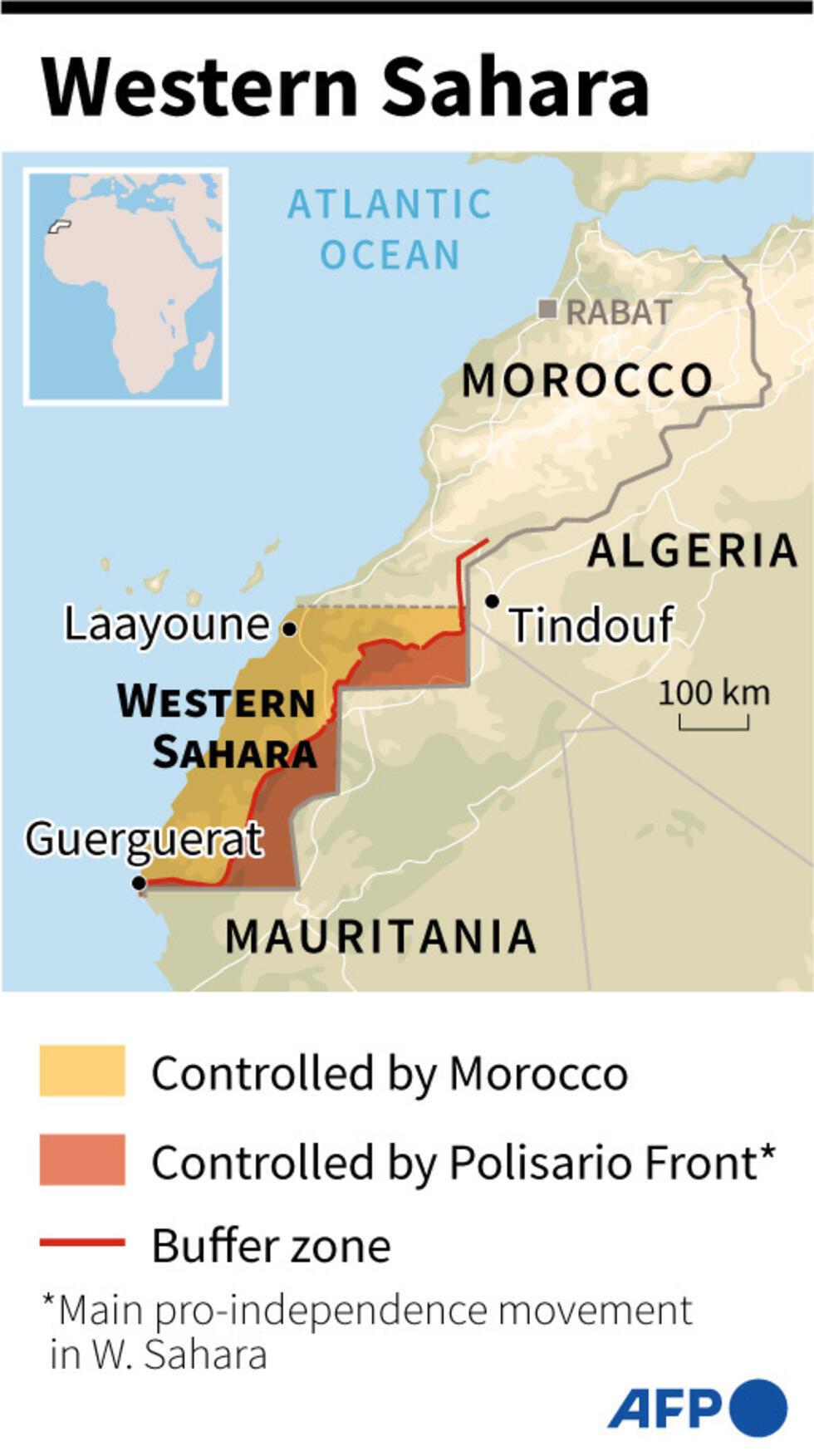
In the ever-evolving landscape of international diplomacy, few issues have been as protracted and complex as the Western Sahara conflict, a territorial dispute that has persisted since the mid-20th century. In recent weeks,attention has turned towards an unexpected player in this long-standing saga: former President Donald Trump,whose administration’s policies continue to shape geopolitical dynamics even after his departure from office. The so-called “Deal of the Century,” often associated with the Israeli-Palestinian conflict,may have overshadowed other significant diplomatic efforts pursued during Trump’s presidency.However, a closer examination reveals that his administration’s approach towards Western Sahara could represent a critical, albeit lesser-known, initiative aimed at resolving a conflict that has implications for regional stability and international relations. This article explores Trump’s involvement in the Western Sahara dispute, evaluating its potential impact on the territory’s inhabitants, neighboring nations, and broader U.S. foreign policy objectives. Through the lens of this controversial deal, we delve into the intricate web of alliances, rivalries, and the quest for legitimacy that continues to define the region.
Exploring Trump’s Under-the-Radar Approach to Western Sahara Resolution
The Western Sahara conflict, long considered a frozen dispute, has quietly emerged as a critical focus for the Trump administration. Unlike traditional diplomatic efforts that prioritize high-profile negotiations and public declarations, Trump adopted a more understated strategy that leveraged economic incentives and regional partnerships to foster dialog. By recognizing Moroccan sovereignty over the disputed territory as part of a broader normalization deal with Israel, the Trump administration demonstrated a willingness to redefine existing paradigms. This unexpected pivot not only aimed to bolster ties between the U.S. and Morocco but also sought to create a framework for resolving one of Africa’s longest-standing conflicts.
Key aspects of this under-the-radar approach included:
- Economic Growth Initiatives: Promoting investment in development projects aimed at improving the standard of living in both Morocco and Western Sahara.
- Diplomatic Engagements: Encouraging dialogue among regional players, including Algeria and the Sahrawi Arab Democratic Republic, to facilitate a more inclusive peace process.
- Security Cooperation: Strengthening military and intelligence ties with Morocco to counter regional threats,leveraging security partnerships as a foundation for diplomatic discussions.
| Initiative | Objective | Outcome |
|---|---|---|
| Economic Development | Improve living conditions | Increased local support |
| Diplomatic Engagement | Encourage dialogue | Broadened participation |
| Security Cooperation | Counter regional threats | Stronger alliances |
Analyzing the Implications of the Deal on Regional Stability and Geopolitical Dynamics
The recent deal brokered in the context of the Western Sahara conflict carries significant implications for regional stability and the broader geopolitical landscape. By recognizing Moroccan sovereignty over Western Sahara, the agreement potentially shifts the balance of power in North Africa. Stakeholders, including the Polisario Front and neighboring Algeria, are likely to view this development as a challenge to their interests. Key implications include:
- Increased Tensions: The deal may escalate tensions between Morocco and Algeria, particularly as the latter supports the rights of the Sahrawi people.
- Realignment of Alliances: Countries in the region may reassess their diplomatic positions, leading to new alliances and potential conflicts.
- Impact on Regional Security: The agreement could result in increased military posturing by both Morocco and Algeria as they seek to assert their positions.
Furthermore, the deal is a critical juncture in the geopolitical dynamics involving external actors, particularly the United States and European nations. The realignment of U.S. foreign policy in this context could embolden or deter actions by other global powers interested in North Africa.Considerations include:
| External Actors | Potential Influence |
|---|---|
| United States | Enhances Moroccan diplomatic leverage; may spark new negotiations. |
| European Union | Could push for a more balanced approach to support Sahrawi rights. |
| Russia | May capitalize on regional unrest to expand influence. |
As the ramifications of the deal unfold, it is indeed essential to monitor how these factors interact and reshape the landscape of North African politics and security. The convergence of local and international interests will likely dictate the future trajectory of the region’s stability and conflict resolution efforts.
Strategic Recommendations for Sustainable Peace in Western Sahara
To foster a sustainable resolution to the Western Sahara conflict, key stakeholders must adopt a multi-faceted approach that prioritizes dialogue and respect for the rights of all parties involved. International mediation should be re-energized, focusing on enhancing communication between Morocco and the Polisario Front, while also involving neighboring countries and influential global powers to ensure a balanced outlook. The establishment of a permanent peace task force could facilitate ongoing discussions, promoting clarity and trust-building measures. Additionally, focusing on economic cooperation initiatives that benefit both Moroccan and Sahrawi communities could enhance goodwill and demonstrate the tangible benefits of peace.
Another vital aspect of creating enduring peace lies in the empowerment of local populations. This includes involving Sahrawi voices in decision-making processes and ensuring that development initiatives are aligned with their needs and aspirations. Cultural exchanges and educational programs could serve as platforms for creating mutual understanding and respect, contributing to societal healing in the region. Moreover, an emphasis on environmental sustainability in any developmental approach can garner broader support from various stakeholders, promoting harmony between growth efforts and the unique ecological context of Western Sahara. As such, a thorough strategy, emphasizing dialogue, empowerment, and sustainability, promises a path toward a peaceful future.
In Conclusion
as the geopolitical landscape continues to shift, the resolution of the Western Sahara conflict represents a significant yet frequently enough overlooked aspect of Donald Trump’s foreign policy initiatives. While the “Deal of the Century” regarding the Israeli-Palestinian conflict garnered the most attention, the engagement in Western Sahara illustrates a broader strategic maneuvering that seeks to assert influence in North Africa amid a backdrop of complex regional dynamics.The developments in this long-standing dispute highlight the potential for diplomatic dialogue and the leveraging of economic incentives to foster stability. However, the path toward a lasting resolution remains fraught with challenges, including ancient grievances and the entrenched positions of key stakeholders.
As international engagement evolves, the future of Western Sahara will serve as a litmus test for effective diplomacy in the region. Analysts and policymakers must remain aware of the implications of these negotiations, as they can reshape alliances and redefine power balances in an already volatile area. The legacy of Trump’s lesser-known diplomatic efforts will ultimately hinge on the outcomes of these negotiations and the resilience of the stakeholders involved. Continued observation of these developments will be crucial for understanding the broader implications for U.S. foreign policy and regional stability in North Africa.










