
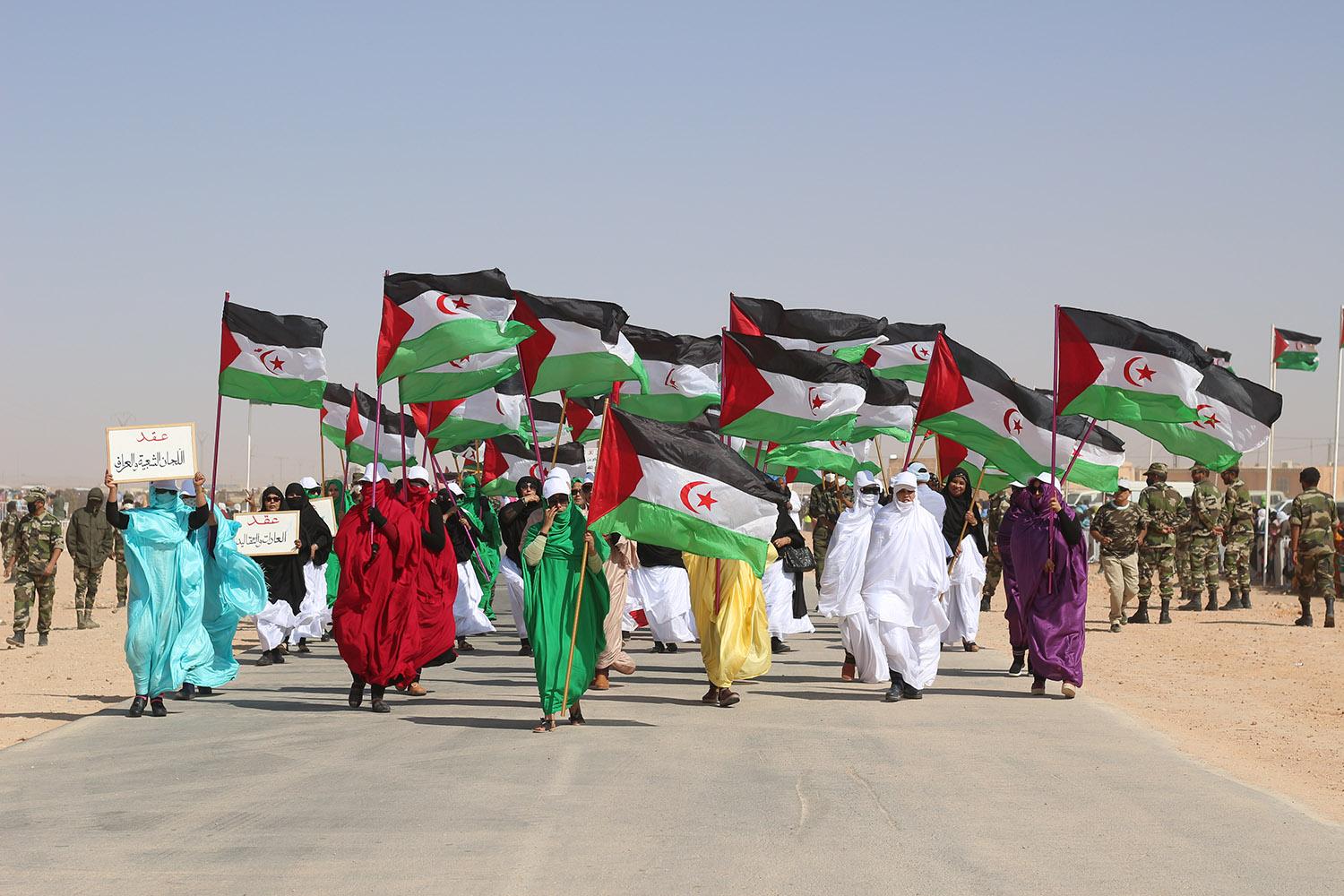
The Shifting Geopolitical Landscape of North Africa: Rethinking the Polisario Front’s Status as a Terrorist Entity
In recent years, the geopolitical surroundings in North Africa has grown increasingly complex, with various groups vying for power and influence. One such group is the Polisario Front, which claims to represent the Sahrawi people in Western Sahara. This organization has garnered significant attention due to its ongoing conflict with Morocco. As global security challenges evolve, it is crucial to gain a comprehensive understanding of the Polisario Front’s strategies and affiliations. This article explores why experts from institutions like the Hudson Institute advocate for recognizing this group as a Foreign Terrorist Organization (FTO). By examining the implications of this classification, we aim to shed light on its potential impact on regional stability, international relations, and counterterrorism efforts across the Sahel region and beyond. The debate surrounding this designation is not merely theoretical; it carries profound consequences for U.S. foreign policy and broader global security frameworks.
Understanding Global Influence: The Operations of the Polisario Front
Over time, the Polisario Front has evolved into a multifaceted entity that poses significant threats both regionally and globally. Its activities not only heighten existing tensions within North Africa but also have far-reaching implications that affect international security concerns. Understanding how this organization operates is essential since it has been linked to numerous violent incidents and human rights abuses, raising questions about its true intentions and alliances.
- Renewed Military Engagements: The Polisario has rekindled hostilities in Western Sahara by initiating military confrontations that endanger peace initiatives.
- Ties with Extremist Organizations: Evidence suggests that there might potentially be collaborations between Polisario members and other militant groups, complicating an already precarious security landscape.
- Civil Rights Violations: Reports indicate systematic oppression of dissenters alongside violent crackdowns on civilians, reflecting an authoritarian governance approach.
- Narcotics Trafficking Involvement: Due to its strategic location along key trade routes, there are suspicions regarding its involvement in drug trafficking operations.
Together, these elements illustrate a concerning trend where political goals are pursued through tactics reminiscent of recognized terrorist organizations-aligning characteristics exhibited by both entities with those displayed by the Polisario Front itself. Evaluating their influence necessitates assessing shifts in regional power dynamics alongside their repercussions on international relations; particularly regarding fears among global stakeholders about increasing levels of radicalization within Sahrawi communities influenced by these actions. Below is a summary table highlighting critical aspects related to threats posed by this organization:
| Description of Threats | Dangers Presented |
|---|---|
| Turbulence in Geopolitics | A rise in military conflicts jeopardizes regional stability. |
The Importance of FTO Designation for U.S National Security Interests
The decision made by U.S Secretary of State regarding any entity’s classification as a Foreign Terrorist Organization (FTO) carries significant political ramifications along with operational consequences. Such designations can severely restrict an organization’s ability to secure funding or expand influence while together signaling national security priorities both domestically and internationally.
Ideally, labeling groups like the Polisario Front clarifies America’s position against entities threatening global peace while galvanizing collective action among allies against such threats.
If designated as an FTO amidst other movements seeking legitimacy under liberation pretenses-the balance could shift considerably within North African geopolitics-diminishing support from sympathetic nations while further curtailing operational capabilities.
This classification would also serve as strong evidence[1], demonstrating America’s commitment towards combating terrorism comprehensively across all fronts; restricting access not just financially but also limiting recruitment avenues while enhancing coordinated counterterrorism measures among allied nations.
Beyond immediate safety considerations-the ramifications would ripple through diplomatic relationships resource allocations defense strategies throughout affected regions.
Key implications include:
- Tighter International Oversight:A formal terrorist label prompts countries worldwide reevaluate interactions involving members associated closely linked organizations;
- Bilateral Military Cooperation Enhancement:An FTO designation fosters stronger partnerships between American forces allied counterparts during defense operations;
- < strong > Strengthened Diplomatic Relations :< / strong > Enhancing ties neighboring states opposing similar ideologies will create unified fronts tackling shared adversaries ;< / li >
- < strong > Intelligence Collaboration :< / strong > Promoting cooperation intelligence agencies improves monitoring responses emerging threats posed ;< / li >
- < strong > Public Awareness Initiatives :< / strong > Raising consciousness surrounding operations alliances can galvanize public sentiment diminishing support base ;< / li >
- < strong > Support Regional Allies :< / str ong >> Providing military economic assistance partners facing analogous dangers enhances overall stability reduces operational capacities significantly .
Additionally leveraging partnerships established international organizations amplifies efforts containing influences exerted upon communities affected directly . Proposed actions encompass :
- < str ong > Targeted Sanctions Implementation : Pushing forward sanctions key figures disrupt funding channels hamper effectiveness overall operation capabilities ;
- < str ong Legal Accountability Measures : Encouraging legal proceedings courts hold accountable acts violence terrorism undermine legitimacy claims made previously ;
- < str ong Promotion Alternative Narratives : Highlighting perspectives adversely impacted activities shifts narratives diminishes appeal generated around them entirely ;
- < str ong Increased Humanitarian Aid Support:< /str ong >> Investing humanitarian projects addressing grievances reduces local backing altogether .
< li >< strong > Resource Allocation Optimization : Unlocks additional resources available specifically targeting counter-terrorism initiatives aimed at stabilizing vulnerable areas .
Strategic Actions Required: Counteracting Influence from The Polisario Front
The potential classification necessitates adopting comprehensive approaches effectively mitigating their sway over local populations. Some recommended strategies include :










