
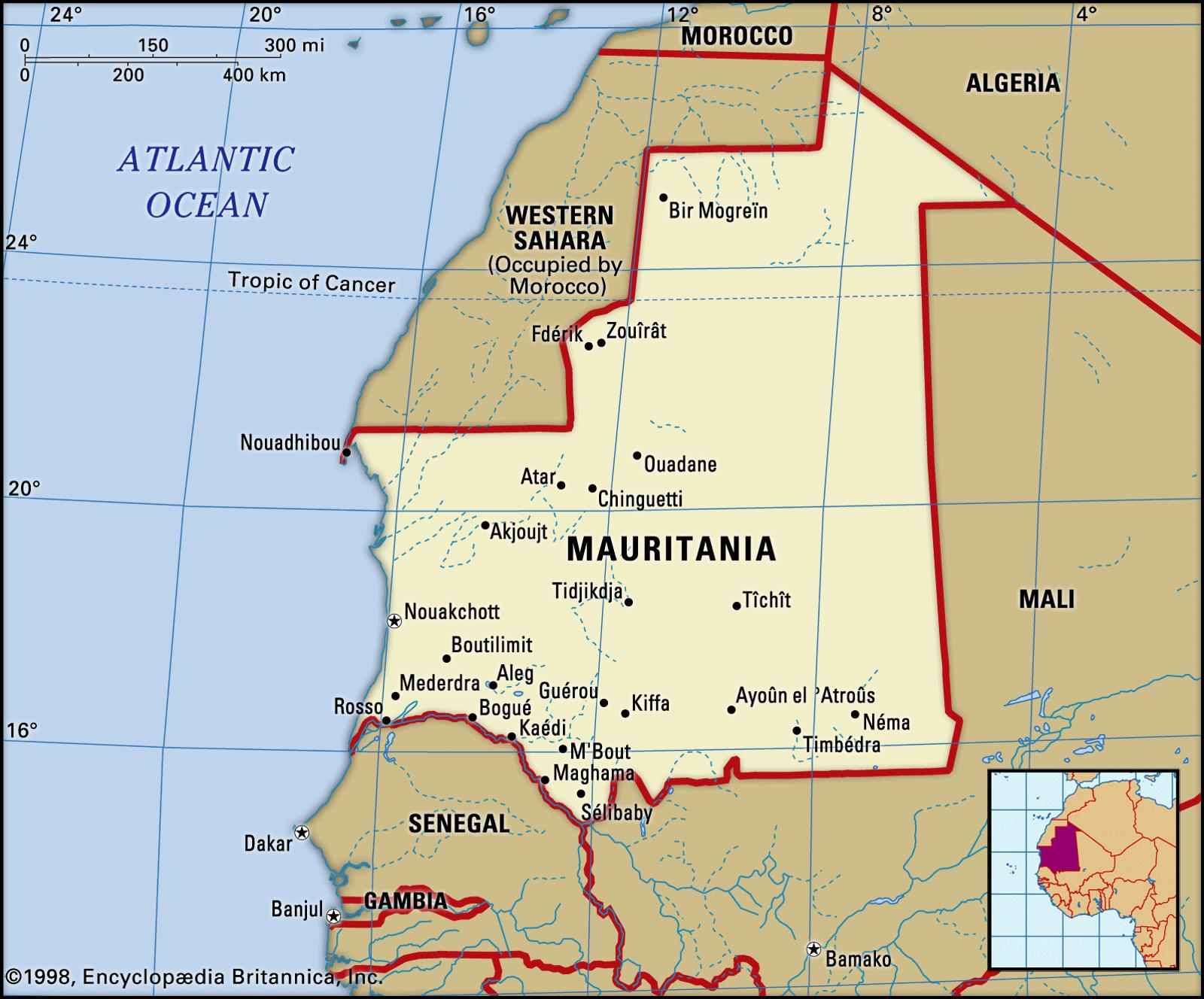
In the complex geopolitical landscape of North Africa, Mauritania finds itself navigating a delicate balancing act between two influential neighbors-Algeria and Morocco. As tensions escalate in the longstanding rivalry between these nations, Mauritania’s strategic position becomes increasingly significant. The competition for regional dominance, driven by historical grievances, territorial disputes, and divergent political ideologies, poses both challenges and opportunities for the Mauritanian government. This article explores how Mauritania is managing its foreign relations amid the growing discord between Algeria and Morocco, as well as the implications of this rivalry for its own national security, economic interests, and diplomatic initiatives. With a careful examination of recent developments, we seek to understand how Mauritania is positioning itself in this evolving narrative, wielding its unique geographic and political assets to maintain stability and promote its own national agenda.
Navigating Diplomatic Tightrope: Mauritania’s Strategic Position between Algeria and Morocco
Mauritania’s geographical and political landscape places it in a pivotal role amid the escalating tensions between Algeria and Morocco. Geographic proximity binds these three nations; however, historical grievances and competing interests fuel a complex rivalry. The strategic importance of Mauritania is underscored by its potential as a mediator, with the ability to influence regional dynamics while preserving its own sovereignty. As the conflict over Western Sahara continues to simmer, Mauritania finds itself delicately balancing its diplomatic relations, striving to maneuver through a landscape fraught with both opportunities and challenges.
To navigate this tightrope, Mauritania must weigh several key factors:
- Economic Interests: Balancing trade relations with both Algeria and Morocco can bolster Mauritania’s economy and ensure regional stability.
- Security Concerns: The influence of regional terrorism and instability necessitates careful alliances and cooperation.
- Diplomatic Relationships: Maintaining constructive dialogue with both nations is essential for avoiding conflicts that could spill over into Mauritania.
In light of these dynamics, a closer examination reveals how Mauritania’s foreign policy is aimed at fostering a neutral stance while capitalizing on its unique position:
| Considerations | Algeria | Morocco |
|---|---|---|
| Military Cooperation | Strategic allies against terrorism | Limited, focused on neutrality |
| Trade Relations | Growing energy partnerships | Flourishing agricultural exports |
| Regional Influence | Assertive over Western Sahara | Expand influence in Saharan affairs |
Economic Opportunities and Challenges: Balancing Trade Relations amid Regional Tensions
Mauritania stands at a unique crossroads, grappling with the demand to foster economic relations while managing the geopolitical skirmishes between Algeria and Morocco. The rivalry has introduced a complex layer of challenges for Mauritania, which seeks to benefit economically from both neighbors while mitigating the risks associated with choosing sides. This delicate balancing act requires nuanced diplomacy, where economic strategies are crafted to ensure stability and prosperity. Key opportunities arise from potential investments in sectors such as energy and agriculture, which can provide mutual gains if approached collaboratively rather than adversarially.
However, the complexities of aligning with one regional power could alienate the other, causing significant ramifications. Mauritania must navigate various economic challenges, including:
- Market Access: Limited access to regional markets due to political tensions.
- Trade Barriers: Imposition of tariffs and trade restrictions from rival nations.
- Resource Allocation: Strained resources and investments that might lean towards one side over the other.
To address these issues, a strategic approach is necessary. The table below outlines some potential economic strategies that Mauritania could employ:
| Strategy | Description | Potential Outcome |
|---|---|---|
| Diverse Trade Agreements | Engage in multiple trade agreements with both Algeria and Morocco. | Broaden economic benefits and minimize reliance on one partner. |
| Joint Economic Projects | Initiate regional projects that involve both nations. | Strengthen cooperative ties while fostering economic growth. |
| Mediation Role | Position Mauritania as a mediator to ease tensions. | Enhance political stability and attract foreign investment. |
In conclusion, Mauritania’s path forward must be marked by careful navigation of regional tensions, while decisively leveraging economic opportunities that promise to uplift its status in the increasingly competitive landscape of North Africa. Through strategic foresight and collaborative ventures, the nation can strive to maintain its sovereignty while benefiting from the complex interdependencies that necessity breeds in the realm of regional economic relations.
Recommendations for a Sustainable Foreign Policy: Strengthening Mauritania’s Role as a Mediator in North Africa
To enhance its role as a mediator in the escalating tensions between Algeria and Morocco, Mauritania must adopt a proactive foreign policy focusing on the principles of sustainability and neutrality. One effective approach would be to leverage its geographic and cultural positioning to facilitate dialogues and negotiations. This can be achieved by:
- Creating a dedicated diplomatic platform for dialogue involving both nations and other regional stakeholders.
- Engaging in confidence-building measures that address mutual security concerns.
- Promoting regional economic cooperation initiatives that encourage collaboration over competition.
Furthermore, Mauritania should invest in building capacity within its diplomatic corps to effectively mediate conflicts and foster understanding. Establishing a series of high-level conferences and workshops, aimed at addressing historical grievances and fostering economic ties, can be instrumental. These gatherings could include:
| Event | Focus Area | Potential Participants |
|---|---|---|
| North African Security Symposium | Regional Security Dynamics | Security Chiefs from Algeria, Morocco, and Mauritania |
| Economic Cooperation Forum | Trade and Investment | Business Leaders from Algeria, Morocco, and Mauritania |
| Cultural Heritage Exchange | Mutual Understanding | Artists and Scholars from both countries |
The Way Forward
In conclusion, Mauritania finds itself in a uniquely strategic position as it navigates the complexities of the intensifying rivalry between Algeria and Morocco. The delicate balancing act that the Mauritanian government is undertaking not only underscores its historical ties and diplomatic efforts but also highlights the broader implications for regional stability in North Africa. As tensions escalate and both neighboring powers seek to extend their influence, Mauritania’s ability to maintain neutrality while safeguarding its national interests will be critical. Observers will be keen to monitor how this balancing act unfolds, as it may ultimately shape the geopolitical landscape of the region, influencing trade, security, and diplomatic relations for years to come. The stakes are high, and the choices made by Mauritania will reverberate beyond its borders, affecting not only its immediate surroundings but also the broader international community engaged in the intricate affairs of North Africa.










