
Introduction
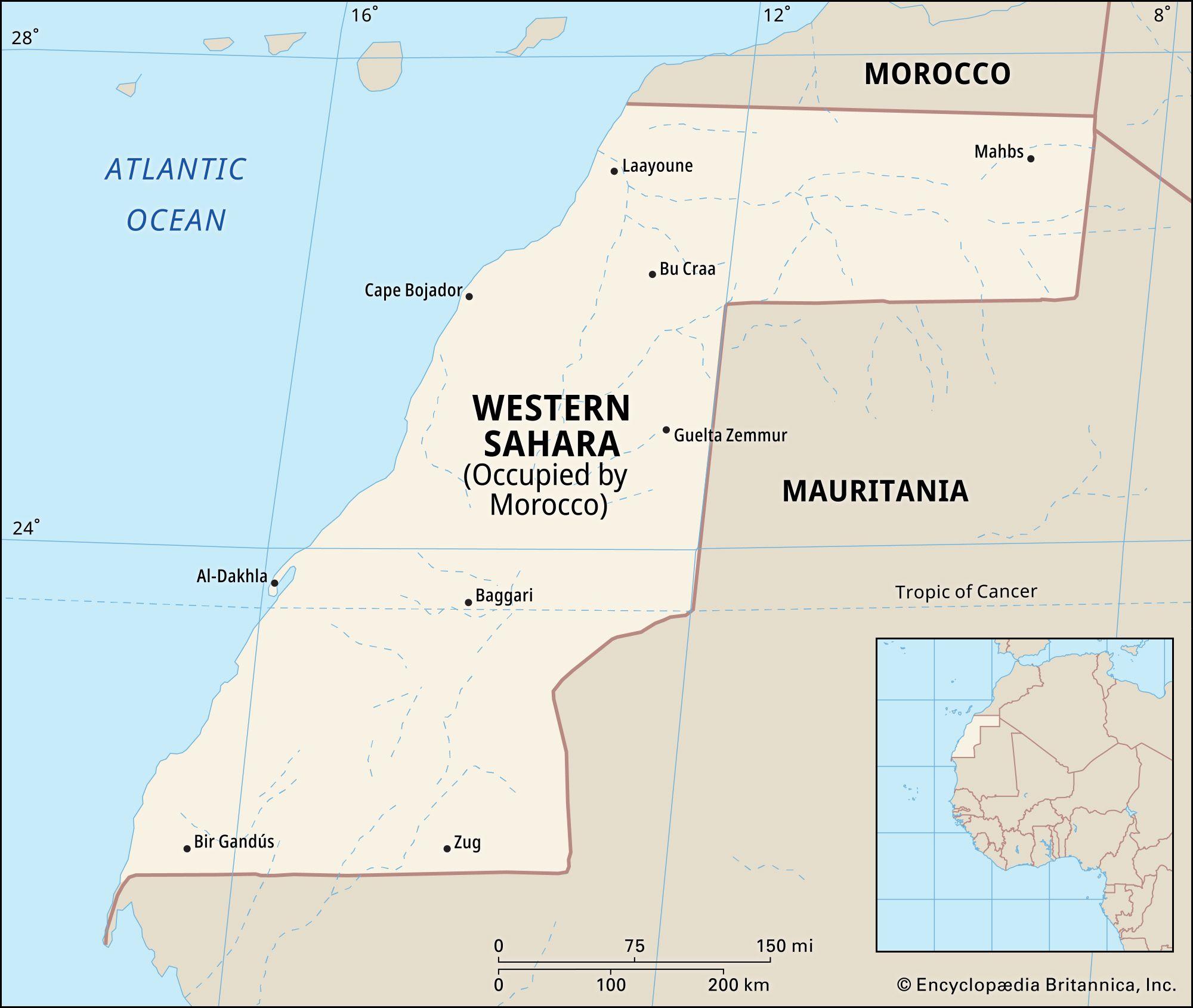
The ongoing dispute in Western Sahara, a protracted territorial conflict between Morocco and the Sahrawi Arab Democratic Republic (SADR), has escalated recently. Morocco’s increasing diplomatic backing from key global players, notably the United Kingdom, is reshaping the landscape of this conflict. This enhanced support from the UK government could significantly influence regional stability in North Africa. As United Nations efforts to broker peace stall and tensions rise on the ground, this resource-rich territory is becoming a focal point of contention. The evolving geopolitical alliances may not only dictate the future of Western Sahara but also impact wider international relations within North Africa.
The UK-Morocco Partnership: Implications for Governance in Western Sahara
The strengthening ties between Morocco and the United Kingdom are reshaping North Africa’s geopolitical dynamics, especially regarding Western Sahara.The UK’s growing endorsement of Morocco’s claims over this territory appears to be a strategic initiative aimed at bolstering its influence in an area characterized by instability. This alliance provides Morocco with crucial financial resources and political backing that could enhance its governance strategies concerning Western Sahara-a region historically marked by international disputes. Key implications include:
- A boost in military cooperation, equipping Morocco with improved defence capabilities.
- An influx of economic investments from Britain that may drive infrastructure development within this disputed region.
- A transformation in diplomatic relations that could complicate UN involvement while worsening humanitarian conditions for Sahrawi communities.
As discussions progress, insights into Morocco’s governance approach for Western Sahara are becoming more apparent. This might involve launching strategic initiatives aimed at integrating this area more fully into Moroccan socio-economic systems. However, such intensified governance efforts may incite unrest among local populations advocating for self-determination rights. Recent statistics indicating population growth within this contested territory highlight rising tensions:
| Year | Estimated Population | % Increase | |
|---|---|---|---|
| 2000 | 300,000 | – | |
| 2010 | 380,000 | 26.67% | |
| 2020 | 500 ,000 | < span style = "color:red;" >31 . 58 %< / span > The deepening alliances necessitate careful consideration by stakeholders regarding how governance evolves in Western Sahara amidst external pressures and local aspirations for autonomy. Geopolitical Tensions: Roots of the Conflict Over Western SaharaThe roots of the conflict surrounding Western Sahara can be traced back to decolonization processes following Spain’s exit from its former colony in 1975. This withdrawal created a power vacuum leading to intervention by various factions-most notably Morocco and Polisario Front representing Sahrawi independence aspirations. Long-standing grievances related to self-determination have fueled ongoing tensions frequently enough resulting in military confrontations.Key factors influencing this dispute include:
|










