
Morocco’s Diplomatic Initiatives in Paris: Navigating the Western Sahara Dispute
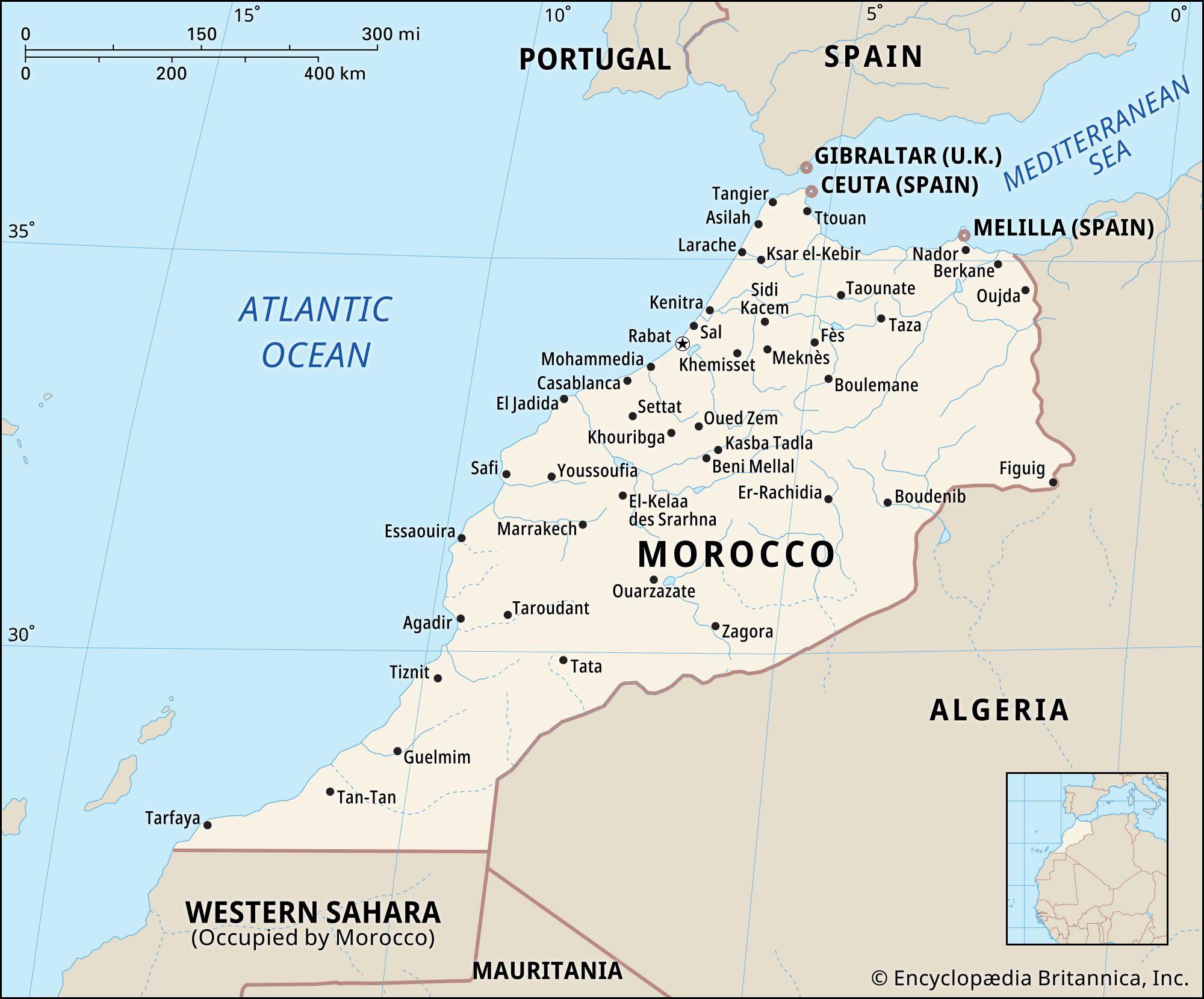
This week, Nasser Bourita, the Foreign Affairs Minister of Morocco, undertook a pivotal diplomatic journey to Paris amidst ongoing deliberations regarding one of Africa’s most significant geopolitical issues-the Western Sahara dispute. This territory has been a source of conflict for many years, with Morocco asserting its sovereignty while the Sahrawi Arab Democratic Republic (SADR) advocates for independence. Bourita’s discussions with French officials are expected to explore viable solutions to this territorial contention, which is crucial for both regional stability and international relations. As global powers navigate the complexities of North African politics, Bourita’s visit underscores Morocco’s resolve to reinforce its position on Western Sahara while enhancing its relationship with France-a key player in this geopolitical arena. This article examines the nuances of these discussions and their potential implications for the future of Western Sahara.
Morocco’s Diplomatic Strategy in Paris: Analyzing the Western Sahara Dispute
The situation surrounding Western Sahara represents one of North Africa’s most contentious diplomatic challenges. During his recent visit to Paris, Nasser Bourita engaged with prominent French leaders to rally support for Morocco’s autonomy proposal while countering opposition from rival factions in the region. His dialogues emphasized the importance of reaching a mutually beneficial agreement that respects Morocco’s territorial claims. Through these strategic interactions, Morocco aims not only to bolster its international reputation but also present a united front against separatist movements supported by external influences.
A central focus during Bourita’s meetings was highlighting Morocco’s economic progress within this disputed area as part of its case for autonomy. He pointed out several key initiatives:
- Infrastructure Enhancement: Showcasing projects aimed at improving living standards in Western Sahara.
- Cultural Integration Programs: Promoting initiatives that foster shared identity and unity among local populations.
- Diplomatic Alliances: Strengthening ties with European partners who support Morocco’s stance on Saharan sovereignty.
This strategy reflects Morocco’s commitment to positioning itself as a stabilizing force within North Africa while counteracting narratives that undermine its sovereignty and fostering collaboration with allies both in France and beyond.
Insights from Nasser Bourita’s Discussions: Impact on Regional Stability
Bourita’s recent conversations in Paris have shed light on several critical factors affecting regional stability concerning the ongoing conflict over Western Sahara. The talks underscored prioritizingdiplomacy over military intervention, advocating collaborative efforts as essential pathways toward achieving lasting peace rather than unilateral actions. Key takeaways from these discussions include:
- Energized Partnerships: Highlighting alliances with both neighboring countries and global partners aimed at effectively addressing shared challenges.
- Cohesive Engagement: A commitment to involving all relevant stakeholders ensuring any forthcoming solutions are comprehensive and sustainable.
- Pursuit of Economic Growth: Emphasizing economic initiatives designed< / li >
< li >< strong >to alleviate tensions and promote stability throughoutthe region.< / li >
< / ul >The implications drawn from these insights extend beyond mere diplomatic relations; they propose a framework conducive tosustainable peacebuildingin North Africa.By leveraging economic opportunitiesand encouraging cooperation among neighboring nations,Morocco seeks not only stability but also prosperity across borders.
The table below summarizes potential impact areas discussed duringthese meetings :
The following strategies could inform future negotiations :Affected Area Description
Political Unity Nurturing democratic practices fosters trust among communities . - < li >< strong >EnhancedDiplomaticEngagement :Encourage multilateral talks involvinglocal ,regional ,andinternationalactorsaimingatbalancedperspectives .< / li >< li >< strong >CommunityEmpowermentInitiatives :Support grassroots organizationsenhancinglocalgovernance capabilitieswithinSahrawipopulations .< / li >< li >< string >>CollaborativeEconomicProjects : LaunchjointinitiativesbenefitingbothMoroccans&Sahrawis focusingonsustainablemanagementofresources&environmentalconservation .< / li >
- < string >>OversightMechanisms : Establishimpartialbodiesmonitoringagreementimplementationsensuringaccountability .< / li >(
Moreover,the roleplayedbyinternationalentitiesremainscrucialthroughoutthispeaceprocess.Ensuretransparencyduringnegotiationsalongsideadherenceestablishedlaws canhelpcultivatetrustamongsttheinvolvedparties.< br />< Criticalactionsinclude:< / strong >
- <










