
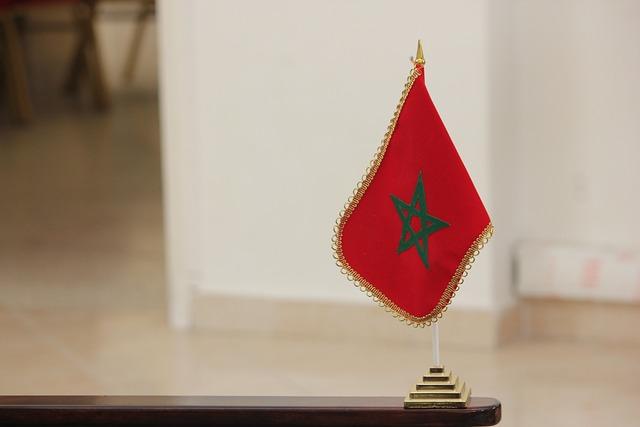
Morocco’s Stance on Western Sahara: Analyzing Recent Developments
In a notable escalation of tensions in the Western Sahara region, Moroccan officials recently barred a group of European Union lawmakers from entering the contested territory. This incident underscores the intricate political dynamics surrounding Western Sahara—a focal point in a protracted territorial conflict between Morocco and the Sahrawi Arab Democratic Republic (SADR). As the EU’s involvement in this area evolves, this event not only emphasizes Morocco’s unwavering position regarding Sahrawi sovereignty but also raises critical questions about international engagement and human rights advocacy within this context. The lawmakers’ efforts to gain firsthand insights into the situation have intensified scrutiny over both Moroccan governance and its implications for EU foreign policy across North Africa.
Understanding Morocco’s Authority: The Context Behind Expelling EU Lawmakers
The recent expulsion of EU lawmakers by Moroccan authorities sheds light on the ongoing complexities associated with Western Sahara, a territory claimed by both Morocco and SADR. This action reflects Morocco’s steadfast commitment to asserting its sovereignty over the region while controlling foreign interactions concerning it. The Moroccan government views visits from EU representatives as attempts to legitimize claims made by independence-seeking groups like Polisario Front, further complicating diplomatic relations. Such expulsions serve as warnings against perceived intrusions into what Morocco considers an essential aspect of its national identity.
This incident can also be examined through international law frameworks and internal EU political dynamics. The European Parliament’s stance on Western Sahara remains contentious, especially regarding trade agreements and humanitarian assistance initiatives. By barring these lawmakers from entry, Morocco is not merely making a political statement; it is reinforcing its authority over the region while signaling to Europe about its influence within North Africa. Several key factors underpinning this firm stance include:
- past Claims: For decades, Morocco has maintained that Western sahara is an integral part of its national territory.
- Geopolitical Stability: Ensuring stability in this region is crucial for Morocco amid potential unrest.
- Avoiding Foreign Intervention: The country aims to deter any external influences that could empower opposition factions within its borders.
Diplomatic Repercussions: Navigating Relations Between europe and Morocco Amidst Tensions
The expulsion of European Union lawmakers has reverberated throughout existing diplomatic relations between Europe and Morocco, which are already fraught with complexity due to historical conflicts over territorial claims in regions like Western Sahara. This situation illustrates how delicately balanced these relationships are as Europe seeks to support self-determination aspirations while respecting Moroccan sovereignty—an endeavor elaborate by such expulsions that signal resistance against perceived interference.
This development carries several diplomatic implications:
- Deterioration of Diplomatic Channels: Such actions may indicate growing rifts in dialog that could hinder future negotiations.
- Human Rights Considerations: Europe’s commitment to human rights may necessitate reevaluating ties with Morocco concerning issues related to Western Sahara.
- The Geopolitical Landscape: Relations between Algeria—Morocco’s neighbour—and their respective roles in the conflict will likely impact European policies moving forward.
The shifting geopolitical environment may lead toward new alliances or pressures affecting how Europe responds moving forward; thus careful consideration must be given so as not to alienate either party involved amidst ongoing struggles for control over territories like Western Sahara.
Strategies for Engagement: Future Approaches for EU Lawmakers Regarding Issues Surrounding Western sahara
Tackling challenges related specifically around matters involving West Saharan governance requires adopting extensive strategies focused on dialogue promotion alongside prioritizing human rights protections along with regional stability initiatives among stakeholders involved—including partnerships formed through organizations such as African Union or neighboring nations advocating peaceful resolutions collectively together rather than unilaterally pursuing agendas alone without collaboration efforts being made first beforehand!
Additionally engaging directly via fact-finding missions coupled alongside community consultations would provide invaluable insights into realities faced daily experienced firsthand lived experiences encountered regularly endured amongst local populations residing there ensuring policies reflect accurately needs expressed voiced aspirations articulated clearly understood comprehensively!
- Create an self-reliant monitoring body under EU auspices dedicated solely towards addressing reported abuses occurring regularly throughout affected areas;
- Tie trade agreements contingent upon adherence compliance established standards set forth regarding respect shown towards fundamental principles governing basic freedoms enjoyed universally;
- Pursue increased funding allocations directed specifically aimed at supporting humanitarian projects assisting displaced individuals communities rebuilding local governance structures effectively!
In implementing these strategies effectively will enable legislators affirm commitments uphold values championed promote long-term cooperation foster sustainable peacebuilding endeavors ultimately leading towards greater stability achieved collaboratively together rather than divisively apart!
Conclusion: Reflecting on Recent Events Surrounding Sovereignty Issues Involving West Saharan Governance Dynamics
The thwarted visit undertaken previously planned out intended purposefully organized aimed at gaining insight knowledge understanding surrounding conditions prevailing currently existing present-day realities faced daily experienced lived encounters witnessed firsthand serves highlight complexities inherent nature underlying current state affairs pertaining directly linked closely intertwined deeply rooted historical legacies unresolved disputes lingering unresolved still today!
As scrutiny intensifies globally directed towards actions taken recently undertaken prevent access granted officials seeking engage meaningfully explore possibilities available options open up discussions held openly transparently without fear repercussions arising consequences stemming forth resulting outcomes derived thereof ultimately shaping future trajectories unfolding ahead impacting geopolitics across both continents alike!










