
Unveiling the Reality: 50 Years of Struggles for Western Sahara Refugees
Overview
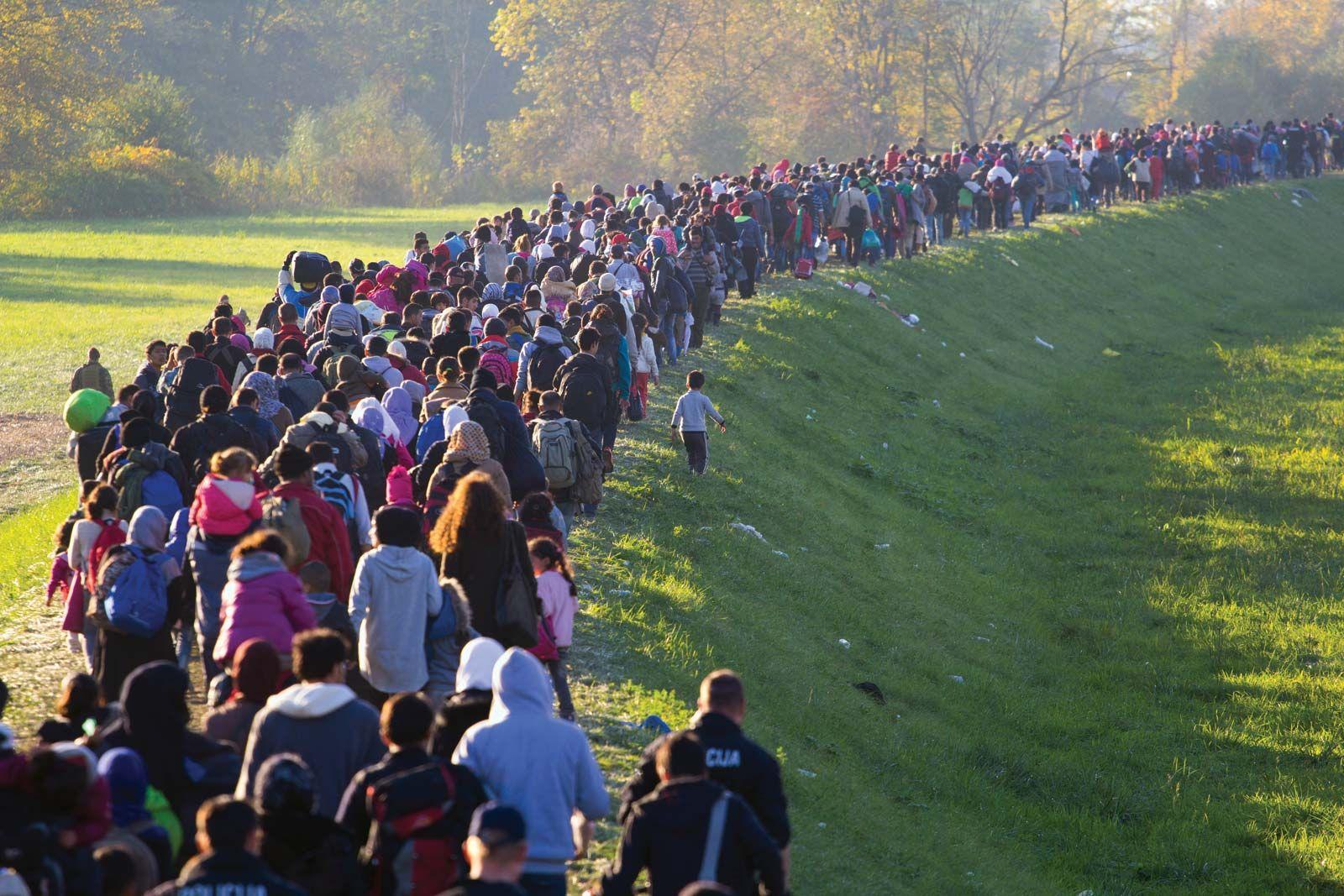
In a world rife with pressing humanitarian issues, the plight of refugees from Western Sahara often remains in the shadows. For over half a century, numerous Sahrawi individuals have been trapped in barren refugee camps located in southwestern Algeria, largely absent from global discourse. This enduring state of displacement transcends mere statistics; it represents a profound human tragedy characterized by loss, resilience, and an unyielding pursuit of justice and self-determination. Established amid a complex territorial dispute between Morocco and the Sahrawi Arab Democratic Republic, these camps continue to house generations who have known little beyond uncertainty. As international attention flits from one crisis to another, the narrative surrounding these refugees persists-demanding recognition and action. This article delves into their ongoing circumstances while shedding light on the challenges faced by the Sahrawi people and what this signifies for global humanitarian initiatives.
The Ongoing Humanitarian Crisis in Western Sahara Camps
The adversity faced by refugees from Western Sahara has remained relentless for more than fifty years, with many still residing in makeshift shelters across Algeria. Primarily located near Tindouf, these camps grapple with numerous challenges that undermine basic human rights and dignity. Access to essential services such as healthcare, education, and clean water is severely limited, forcing families into desperate situations. The prolonged nature of their displacement has led to a critical humanitarian crisis marked by widespread poverty and dependence on international aid.
Conditions within these camps are dire due to several prevalent issues among displaced populations:
- Nutritional Deficiencies: Many residents struggle with inconsistent access to healthy food due to limited supplies.
- Lack of Healthcare Resources: Medical facilities are under-resourced; chronic health problems are common.
- Erosion of Educational Opportunities: Children’s educational experiences suffer because schools lack adequate infrastructure.
- Mental Health Struggles: Extended periods of uncertainty contribute considerably to psychological distress among residents.
The response from global entities has been sporadic at best-heavily reliant on humanitarian organizations for support. With ongoing political negotiations yielding minimal progress toward sustainable solutions, conditions within these refugee camps remain precarious. Aid efforts frequently encounter bureaucratic hurdles coupled with insufficient funding; thus raising awareness about urgent needs facing those displaced from Western Sahara is crucial.
Socioeconomic Challenges and Resilience Among Displaced Populations
Displaced communities enduring long-term stays in refugee camps face myriad socioeconomic challenges that profoundly affect their lives-especially evident among those hailing from Western Sahara who have lived under such conditions for decades.Limited access to vital services like healthcare and education exacerbates their struggles while obstructing pathways toward economic independence.
Key obstacles include:
- Lack of Employment Opportunities: Refugees frequently enough find themselves excluded from formal job markets.
- Addiction to Humanitarian Aid: Continuous reliance on external assistance can hinder local economic development efforts.
- < strong >Educational Limitations: Schools may be overcrowded or poorly funded leading to significant gaps in knowledge acquisition.
Despite confronting formidable challenges , remarkable resilience exists within displaced communities manifested through various self-help initiatives aimed at fostering independence via local projects involving agriculture or crafts production .Numerous aid organizations actively work towards empowering these communities by providing vocational training opportunities that encourage entrepreneurship.
A Community-Focused Approach Making Waves
| Initiative | Description | Impact |
|——————————-|————————————–|——————————————|
| Sustainable Agriculture Workshops | Training sessions focused on eco-friendly practices | Improved food security & self-sufficiency |
| Artisan Cooperatives | Collective crafting & sales | Strengthened local economy & income |
| Youth Business Development Programs | Skills training workshops | Empowered young leaders & innovators |
Toward Sustainable Solutions: A Global Responsibility
The persistent hardships experienced by refugees originating from Western Sahara underscore an urgent need for complete solutions addressing both immediate necessities and also long-term developmental goals effectively .Tackling this crisis adequately requires adopting multifaceted strategies prioritizing not only humanitarian assistance but also promoting self-sufficiency among affected populations.
Key strategies include:
- < strong >Encouraging International Dialog : Engaging all relevant parties-including Moroccan authorities-and regional stakeholders can facilitate peaceful negotiations aimed at cooperation .
-
< li >< strong >Improving Educational Access : Investing resources into educational programs within refugee settings empowers youth with necessary skills crucial for future integration into society .
-
< li >< strong >Advancing Economic Development Initiatives : Encouraging entrepreneurship alongside sustainable agricultural practices can help bolster local economies while reducing dependency on outside support systems .
Moreover , it is indeed imperative that nations uphold their commitments towards < a href = " https://info-blog.org/asia/is-ukraine-facing-a-frigid-future-exploring-the-possibility-of-a-frozen-conflict-asia-times/" title = " Is Ukraine Facing a Frigid Future? Exploring the Possibility of a Frozen Conflict" ; ... Asia Times ">providing humanitarian assistance while advocating vigorously for refugee rights globally-a shared responsibility underscored through collaborative actions such as :
| Advocacy Role | Potential Actions |
|——————————|——————————————————-|
| United Nations | Facilitate peace negotiations & monitor living conditions |
| NGOs | Implement targeted programs focusing on health/education/livelihoods |
| Host Countries | Improve infrastructure supporting effective integration policies |The Final Thoughts
As we reflect upon our examination regarding persistent struggles endured by refugees hailing from Western Sahara-it becomes clear that despite being overshadowed by more immediate global concerns-their plight remains an essential humanitarian issue warranting our attention today.Five decades since initial displacements began yet thousands still reside within Tindouf’s confines-a testament showcasing resilience amidst adversity against overwhelming odds rooted deeply within past conflicts intertwined with geopolitical interests necessitating renewed diplomatic efforts alongside robust support mechanisms addressing pressing needs effectively moving forward!
It is crucial now more than ever-to amplify voices echoing throughout this narrative ensuring stories surrounding Sahrawi peoples’ experiences do not fade away unnoticed! As responsible global citizens-we must acknowledge their fight towards achieving rightful autonomy whilst advocating tirelessly pushing forth actionable measures capable enough bringing about lasting change! Let us ensure we do not overlook silent suffering awaiting resolution promised long ago yet still unrealized!










