
The 50-Year Quest for Resolution in Western Sahara: Navigating a Prolonged Dispute
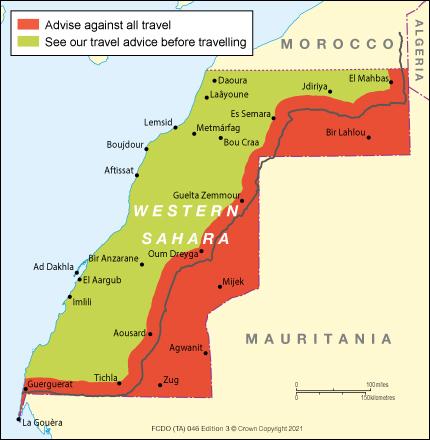
For more than five decades, Western Sahara has emerged as one of the world’s most persistent territorial disputes, marked by its rich natural resources and a population yearning for self-determination. This arid region located on Africa’s northwest coast is claimed by both the Sahrawi Arab Democratic Republic (SADR) and Morocco, leading to a complex geopolitical struggle that has drawn international attention and sparked years of conflict. The roots of this dispute can be traced back to colonialism and the rushed decolonization process in the 1970s, which ignited tensions that continue to reverberate today. In this article, we explore the intricate history, key players involved, and ongoing humanitarian consequences of the Western Sahara conflict while addressing future challenges in achieving peace within this contested territory.
Historical Context: Major Players in the Western Sahara Dispute
The origins of the Western Sahara conflict date back to the mid-20th century, when Spain exercised colonial control over this territory. As decolonization movements gained momentum across Africa,local Sahrawi groups such as Frente Polisario began pushing for independence. In 1975, facing increasing pressure, Spain withdrew from Western Sahara abruptly-this decision triggered military confrontations between Morocco and Frente Polisario. Consequently,this ongoing conflict has left Western Sahara mired in uncertainty as it navigates Morocco’s claims to sovereignty against Sahrawi aspirations for self-governance.
Several key stakeholders with varying interests are currently involved:
- Morocco: Aims to uphold its territorial integrity while asserting that these southern provinces are essential to its national identity.
- Frente Polisario: Vigorously advocates for Sahrawi selfdetermination rights, calling for a referendum on independence.
- Algeria: Provides crucial political and military support to Frente Polisario while opposing Moroccan expansionist policies.
- The United Nations: Serves as an intermediary promoting dialog but faces significant challenges in enforcing resolutions effectively.
The search for resolution remains elusive despite numerous ceasefire agreements and international mediation efforts. Tensions persist alongside sporadic violence-underscoring how intricate geopolitical dynamics shape ongoing strife surrounding Western Sahara.
Humanitarian Consequences: Effects of Stalemate on Local Communities
The protracted stalemate in Western Sahara has resulted in severe humanitarian crises profoundly impacting local communities. Daily life is disrupted due to continuous conflicts affecting access to essential services like healthcare and education. This unrelenting situation exacerbates poverty levels; families increasingly struggle with securing basic necessities such as food and shelter-many have become reliant on international aid often impeded by political deadlock.
The psychological toll is equally grave; persistent tension considerably heightens anxiety levels among both adults and children within these communities. Local populations frequently endure:
- Displacement: Many families have been uprooted from their homes leading them into overcrowded living conditions.
- Nutritional Deficiencies:A lack of resources makes accessing nutritious food an ongoing challenge.
- Lack of Healthcare Access:Adequate medical facilities remain scarce especially in remote areas leaving many without necessary treatments or care options available.
Your local humanitarian organizations work tirelessly under perilous conditions with limited resources providing crucial support amidst adversity yet face bureaucratic hurdles compounded by overarching conflict dynamics hindering their efforts significantly.
Pathways Towards Peace: Proposed Solutions for Resolving The Dilemma Of The West-Saharan Conflict
A comprehensive strategy is vital when tackling complexities inherent within resolving issues surrounding western sahara . Engaging neutral parties throughinternational mediation is essential facilitating constructive dialogue between morocco & saharawi arab democratic republic (sadr). Such mediation should emphasize consensus-building , fostering compromises respecting aspirations held dear by saharawi people whilst acknowledging moroccan territorial claims . Moreover enhancing role played by african union could provide platforms fostering intra-african dialogues encouraging collaboration amongst regional stakeholders aimed at promoting stability & peace .
< p >
Implementing confidence-building measures must also take precedence including:
-
<< li >< strong > Joint Community Projects :< / strong >< / li >
Organizing initiatives benefiting both saharawi & moroccan interests
<< li >< strong > Cultural Exchanges :< / strong >< / li >
Facilitating interactions fostering mutual understanding
<< li >< strong > Autonomous Monitoring Mechanisms :< / strong >< / li >
Establishing frameworks ensuring adherence towards human rights standards
By cultivating environments conducive towards trust building parties can progress towards enduring resolutions . Moreover commitment exhibited internationally regarding economic growth initiatives could serve incentives addressing needs faced locally alleviating tensions present . A holistic strategy encompassing these dimensions proves critical finally resolving long-standing impasses securing peaceful futures ahead not just solely focused upon western sahara but broader implications felt throughout entire region .
Final Thoughts
The half-century-long struggle over western sahara exemplifies intricacies tied closely together involving colonial legacies intertwined deeply rooted national identities coupled alongside evolving diplomatic relations globally .Ongoing disputes highlight urgent necessity requiring renewed commitments directed toward achieving peaceful resolutions amidst competing narratives surrounding self-determination sought after fervently against backdrop established sovereignty claims made primarily originating from morocco itself.
As global geopolitics shift continuously evolving alliances emerge shaping future trajectories ahead , fate concerning western sahara serves pivotal litmus test gauging worldwide dedication prioritizing human rights advocacy alongside principles governing self-governance practices effectively implemented where needed most urgently .
This narrative remains unfinished ; reflecting upon decades filled rich experiences marked heavily influenced diplomacy necessitates ensuring voices belonging directly affected individuals remain central discussions aimed ultimately seeking lasting equitable solutions achievable together collaboratively moving forward collectively united purposefully striving toward brighter horizons awaiting all inhabitants residing peacefully within borders defined historically yet challenged presently still today !










