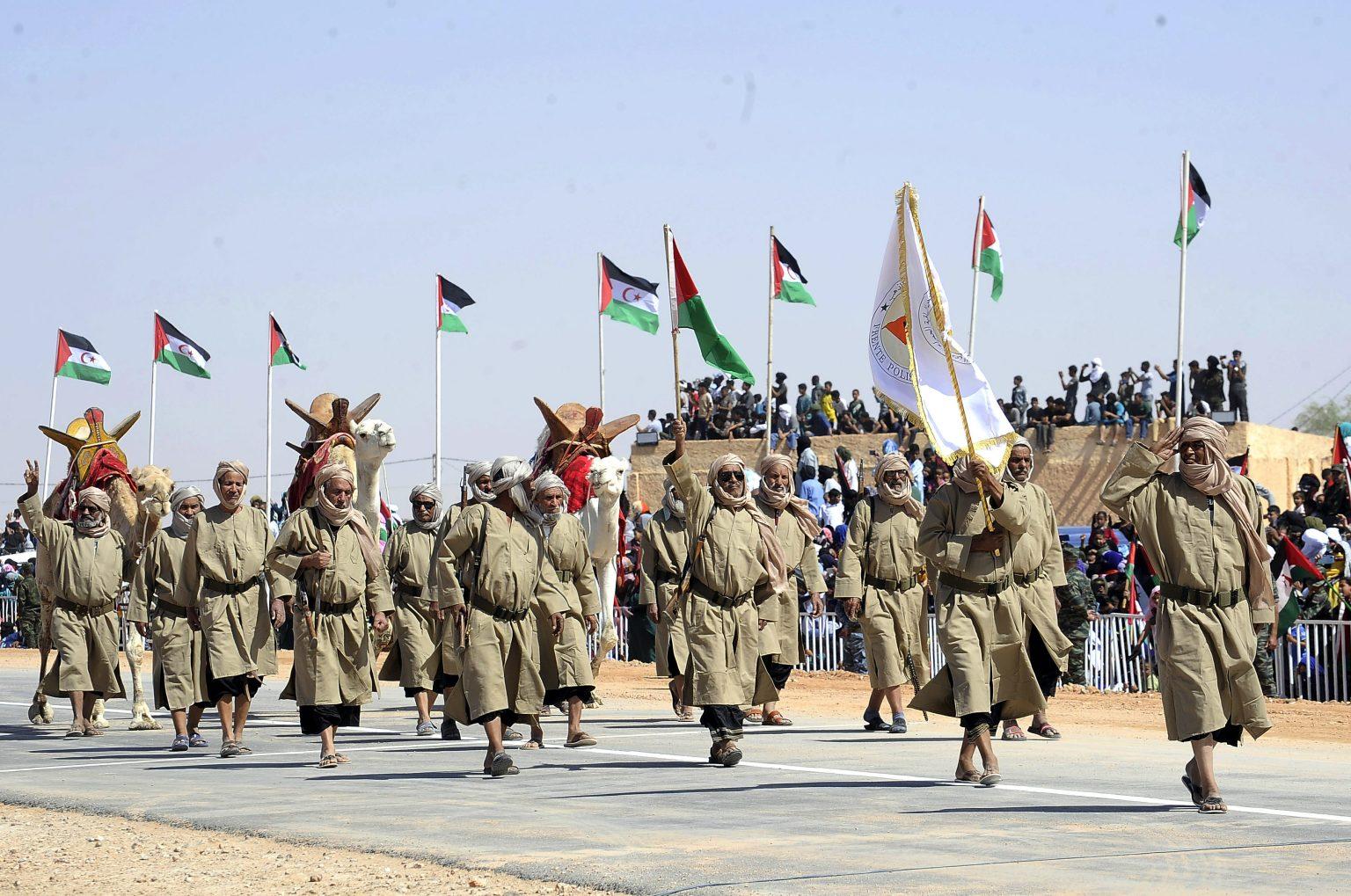
In a significant shift in foreign policy, the United States is actively exploring economic solutions to the prolonged conflict over Western Sahara-a territory that has remained in limbo for more than five decades. This development comes against a backdrop of lengthy diplomatic stalemate and escalating tensions between the parties involved. Historically marked by disputes between Morocco and the Sahrawi Arab Democratic Republic (SADR), the conflict has caused widespread humanitarian concerns and geopolitical complexities in North Africa. As the U.S. seeks to engage more robustly in international diplomacy, it is looking to leverage economic initiatives as a means to foster dialog and enduring resolutions. This article examines the implications of this new approach and its potential to redefine the future of Western Sahara after decades of discord.
Addressing the Stalemate: The US’s New Economic Strategy for Western Sahara
The long-standing conflict over Western Sahara, which has persisted for over five decades, is seeing a potential shift as the United States pivots towards an economic approach to address the stalemate. This new strategy emphasizes increased investment in local infrastructure, development, and job creation to foster a sense of stability and cooperation among the affected populations. The U.S. government envisions collaboration with both Morocco and the Sahrawi people to promote sustainable economic opportunities, breaking the cycle of conflict and enabling a brighter future for all stakeholders involved.
This approach involves several key components designed to create impactful change in the region:
- Investment in Infrastructure: Focus on building roads, schools, and healthcare facilities to enhance living standards.
- Job Creation Initiatives: Development programs aimed at engaging local communities and empowering youth.
- Collaboration with NGOs: Partnering with non-governmental organizations to ensure that humanitarian needs are addressed alongside economic growth.
- Regional Trade Agreements: Encouraging trade relations that could benefit both Moroccan and Sahrawi interests in the territory.
This multifaceted initiative aims not only to assuage tensions but also to lay the groundwork for dialogue, with the overarching goal of finding a peaceful resolution to the territorial dispute. By prioritizing economic development, the United States seeks to implement a framework that embraces both socio-economic progress and diplomatic engagement, ultimately paving the way towards a long-term solution.
Potential Economic Incentives: Fostering Cooperation Between Morocco and the Sahrawi People
In the pursuit of a sustainable resolution to the Western Sahara conflict, economic incentives could serve as a catalyst for fostering cooperation between Morocco and the Sahrawi people. By leveraging resources and investments strategically,both parties could benefit from enhanced economic activities that promote peace and stability in the region. Potential initiatives may include:
- Joint investment projects: Establishing infrastructure developments that cater to both Moroccan and Sahrawi communities.
- Resource sharing agreements: Collaborative management of natural resources such as fisheries,mining,and renewable energy.
- Cross-border trade expansion: Creating open markets that boost trade between regions,encouraging commerce and economic integration.
To ensure equitable distribution of benefits, a framework for participation needs to be established, allowing both entities to take part in decision-making processes. A obvious framework could include:
| Component | Description |
|---|---|
| Community engagement | Involving local populations in economic planning to address their needs and aspirations. |
| Revenue sharing models | Implementing profit-sharing mechanisms from projects that directly benefit both parties. |
| Capacity building | Investing in education and training programs to empower the Sahrawi workforce. |
Long-term Stability: Recommendations for Sustainable Investment and Development in the Region
To pave the way for long-term economic stability in the region, it is indeed crucial to adopt sustainable investment practices that focus on local development. Policymakers and stakeholders should prioritize community engagement, ensuring that the voices of the affected populations are heard and integrated into decision-making processes. Emphasizing openness in investment initiatives will foster trust and encourage collaboration among the various actors involved. A few actionable recommendations include:
- Strengthening local enterprises: Support small-to-medium-sized businesses by providing access to financing and technical assistance.
- Promoting renewable energy projects: Invest in sustainable energy that reduces dependency on fossil fuels while creating jobs.
- Enhancing infrastructure: Develop roads, schools, and healthcare facilities to improve quality of life and attract investment.
- Pursuing cross-border partnerships: Collaborate with neighboring countries to boost trade and investment opportunities.
In addition to these strategies, it is vital to implement monitoring frameworks that measure progress and impact. Establishing a dedicated fund aimed at supporting socio-economic projects can also facilitate long-term investment in the region. The proposed fund could allocate resources based on impact assessments to ensure that investments align with the community’s needs and promote sustainable growth. Below is a proposed table highlighting potential funding allocation priorities:
| Priority Area | Recommended Allocation (%) |
|---|---|
| Local Business Development | 25% |
| Renewable Energy Initiatives | 30% |
| Infrastructure Improvement | 20% |
| Education and Health | 15% |
| Community Engagement Programs | 10% |
To Conclude
As the United States explores potential economic solutions to the longstanding conflict in Western Sahara, the stakes have never been higher. After fifty years of political stalemate, the pursuit of a fresh approach aimed at fostering development and cooperation could pave the way for a more sustainable resolution. The complexities of this issue underscore the need for comprehensive dialogue among all stakeholders involved, balancing economic interests with the aspirations of the Sahrawi people.As international eyes remain firmly on the region, the forthcoming strategies and initiatives will be crucial in determining not only the future of Western Sahara but also the broader implications for peace and stability in North Africa. The world watches closely as this critical juncture unfolds, hopeful for a breakthrough that has long eluded generations.