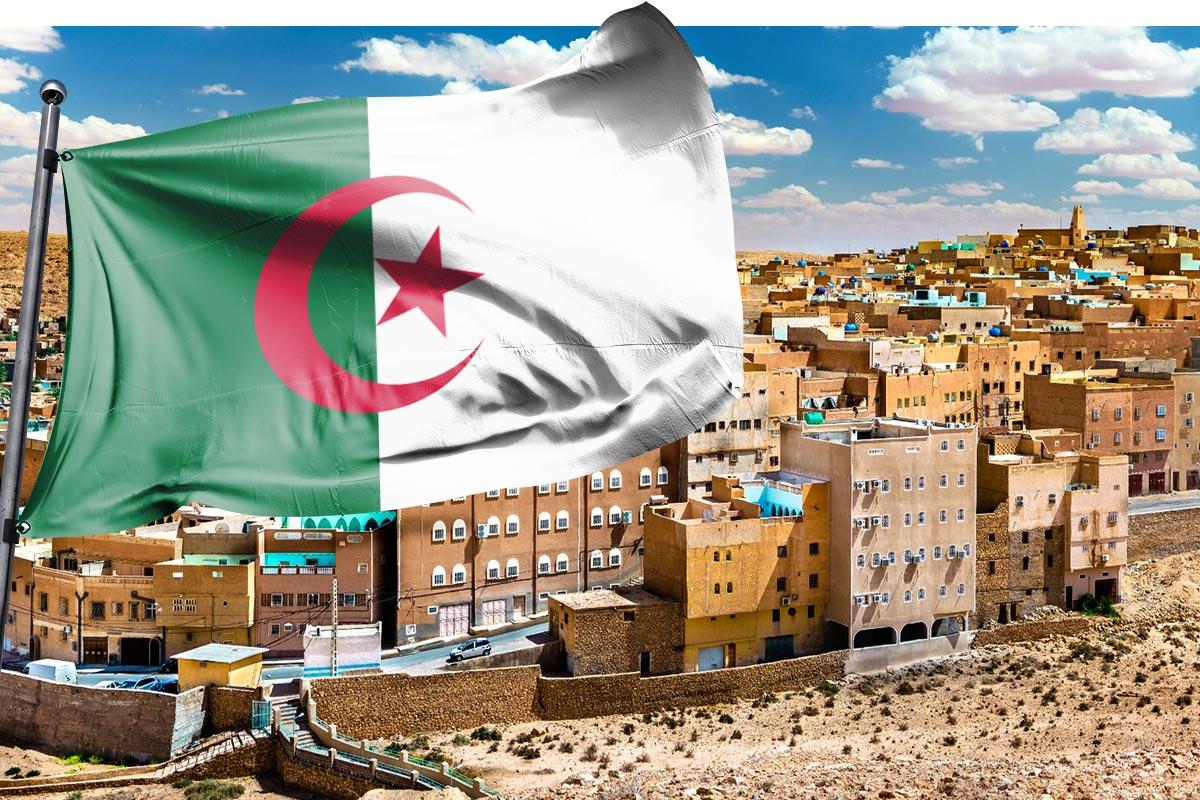
In a recent escalation of diplomatic tensions, Algeria has strongly criticized the United States for its endorsement of Morocco’s claim over Western Sahara.This territory, rich in resources and fraught with historical disputes, has been a contentious issue in North African geopolitics for decades. Algeria’s discontent comes in response to Washington’s reaffirmation of support for Morocco’s sovereignty over the region, which it considers a violation of the rights of the Sahrawi people. As the conflict garners international attention, notably from North African nations, the implications of U.S. foreign policy in this context raise critical questions about regional stability, human rights, and the future of the Western Sahara conflict. This article delves into the intricacies of the dispute, Algeria’s historical stance, and the broader ramifications of U.S. involvement in the ongoing saga.
Algeria’s Diplomatic Rebuttal to US Endorsement of Moroccan Territorial Claims
In response to the recent endorsement by the United States regarding Morocco’s territorial claims, Algeria has firmly articulated its stance, emphasizing that such support undermines the ongoing quest for self-determination in Western Sahara. Algerian officials have described the U.S. position as not only detrimental to regional stability but also a violation of the principles of international law.they have asserted that recognition of Morocco’s sovereignty over Western Sahara contradicts numerous United Nations resolutions aimed at facilitating a referendum for the Sahrawi people, which is essential in determining their own political future. This diplomatic rebuttal comes as Algeria seeks to bolster its position as a key advocate for Sahrawi rights and maintain its influence in North African geopolitics.
A key aspect of Algeria’s response includes the following points:
- Historical Context: Algeria has long been a supporter of the Sahrawi People’s Liberation movement, highlighting its commitment to anti-colonial struggles.
- International Law: The Algerian government emphasizes that any support for Moroccan claims disregards the legal framework established by the UN regarding decolonization.
- Regional Implications: Algeria warns that strengthening Morocco’s position could exacerbate tensions in an already volatile region, risking conflicts that could spill over into neighboring countries.
Moreover, Algeria’s foreign minister outlined a strategy for diplomatic engagement with key international stakeholders aimed at turning the tide against what they perceive as an unjust system of territorial dominance. In a recent statement, he mentioned: “We are committed to mobilizing our allies to challenge this endorsement and reaffirm the rights of the Sahrawi people.” As tensions rise, Algeria’s diplomatic maneuvering is poised to reshape the regional dialog concerning the future of Western Sahara, where multiple actors are entrenched in this long-standing dispute.
Implications for Regional Stability and International Law in Western Sahara
The ongoing tension surrounding Western Sahara has profound implications for both regional stability and the framework of international law. With Algeria openly criticizing the United States’ endorsement of Morocco’s claims, the potential for increased diplomatic strife looms large. The endorsement not only intensifies geopolitical rivalries but also undermines existing international resolutions that advocate for a self-determination referendum for the sahrawi people. Such developments could embolden Morocco in its territorial assertions, while simultaneously emboldening Algeria, which may feel compelled to bolster its support for the Polisario Front, the movement advocating for Western Sahara’s independence.
Moreover, this situation raises critical questions about the role of international law in conflict resolution. The ongoing disregard for UN mandates amid fluctuating geopolitical allegiances jeopardizes the principles established by the international community.Key implications include:
- Potential escalation of Conflict: Increasing tensions could lead to military confrontations, affecting neighboring countries.
- Legal Precedents: Favoring current claims may encourage other nations to pursue unilateral territorial ambitions.
- International Norms at Stake: The credibility of international law hinges on adherence to established resolutions.
| Stakeholder | Position |
|---|---|
| Algeria | supports Sahrawi independence and criticizes US involvement |
| Morocco | Claims territorial sovereignty over Western Sahara |
| united states | Shows support for Morocco, complicating diplomatic landscape |
Recommendations for a Balanced US Approach to the Western Sahara Dispute
To effectively address the complexities of the western Sahara dispute, the United States should consider a multifaceted diplomatic approach that balances its interests with the principles of self-determination and regional stability. the following strategies might be beneficial:
- Engage in Multilateral Dialogue: Encourage discussions involving all stakeholders, including Morocco, the Sahrawi Arab Democratic Republic (SADR), and neighboring countries, to foster an surroundings of mutual understanding.
- Support Humanitarian Efforts: Increase assistance to refugees and communities affected by the conflict to alleviate immediate suffering and build goodwill.
- Promote Economic Growth: Invest in initiatives that could boost the local economy in Western Sahara,thereby reducing tensions and creating a viable basis for peace.
- Advocate for a Referendum: Stand firm on the principle of self-determination by advocating for a structured and internationally supervised referendum, allowing the Sahrawi people to freely express their aspirations.
in balancing its support, the U.S. should also recognise the longstanding historical grievances that have fueled this conflict. Transparency in communications with both Morocco and Algeria is essential to maintain credibility and foster trust. Below is a concise outline of sensitive considerations:
| Consideration | Implication |
|---|---|
| Historical Context | Understanding the roots of the conflict will inform U.S. policy and foster deeper engagement. |
| Regional Dynamics | Stability in the Sahel affects broader U.S. interests, thus requiring a balanced approach to regional allies. |
| Public Opinion | Local perspectives on U.S. involvement can substantially impact the success of diplomatic efforts. |
Wrapping Up
Algeria’s strong condemnation of U.S. support for Morocco’s sovereignty claims over Western Sahara underscores the ongoing tensions in the region and highlights the complexities of international diplomacy. The conflict, rooted in decades of territorial disputes and differing national narratives, remains a pivotal issue for both countries, and also for the broader North African landscape. As Algeria continues to advocate for the rights of the Sahrawi people and seeks greater international intervention in favor of self-determination, the implications of U.S. foreign policy will undoubtedly influence future negotiations and regional stability. Observers will be closely monitoring developments as both nations navigate this contentious issue, with the potential for far-reaching consequences beyond their borders.