
Rising Diplomatic Strains: Algeria’s Allegations Against the UAE and France
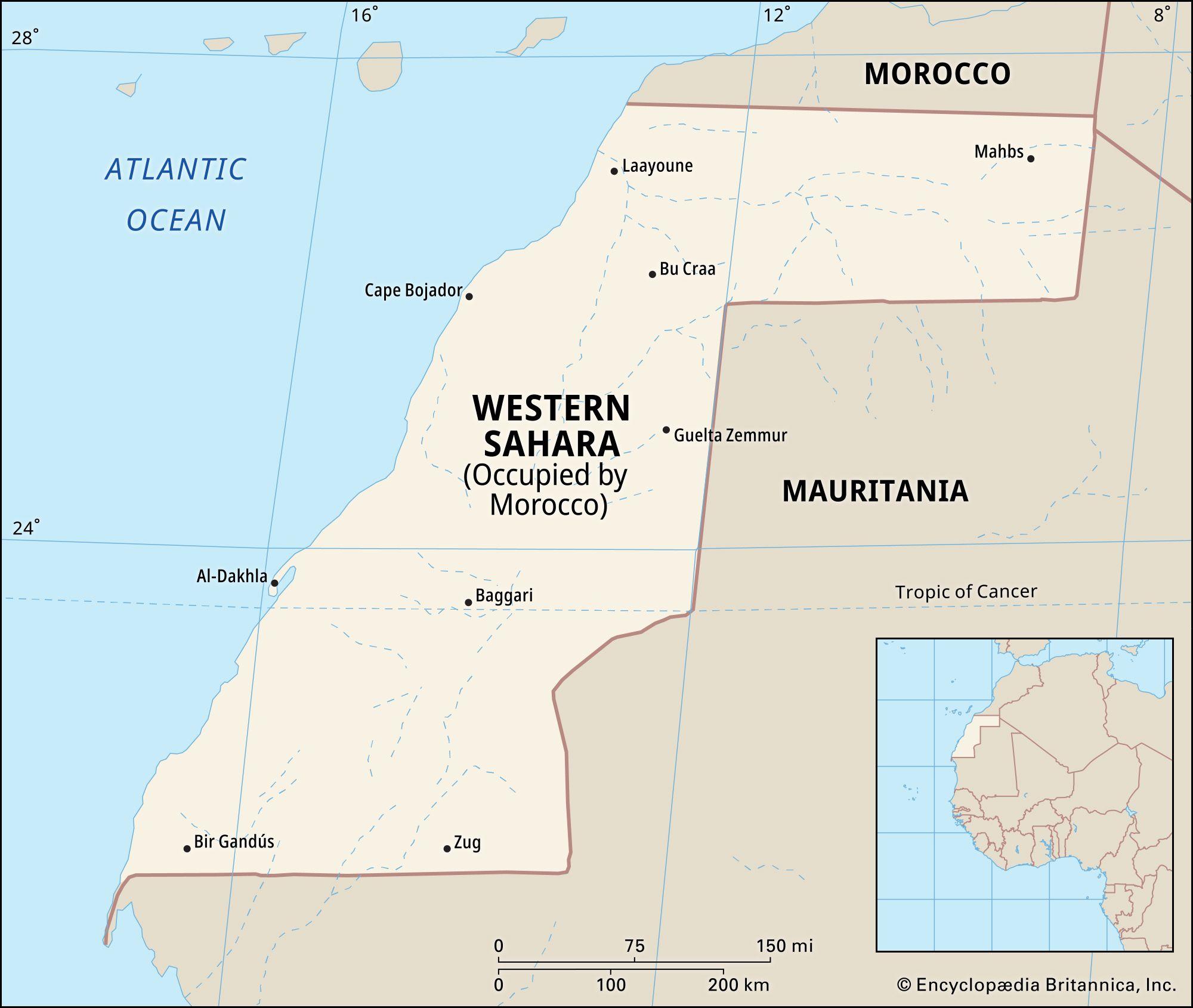
In a significant escalation of diplomatic tensions, Algeria has publicly accused the United Arab Emirates (UAE) and France of exerting undue influence on the United Nations Security Council (UNSC) ahead of a pivotal vote concerning the status of Western Sahara. This contested territory has long been a flashpoint between Morocco and the Sahrawi Arab Democratic Republic (SADR), both claiming rights over its vast desert expanse. These accusations come at a time when international focus on this issue is particularly heightened, as the UNSC prepares to deliberate resolutions that could profoundly affect the region’s future. Algeria’s statements shed light on the intricate web of alliances and geopolitical interests that define this enduring conflict, highlighting the complexities involved in resolving one of Africa’s most persistent territorial disputes. With voting approaching, there are significant implications for global power relations.
Algeria’s Accusations: The Role of Global Influencers in Western Sahara
The ongoing conflict over Western Sahara has increasingly attracted attention from various international actors, with Algeria alleging that powerful nations like France and the UAE are manipulating UNSC decisions to their advantage. Algeria’s assertions suggest these countries have leveraged their diplomatic clout to sway voting outcomes within the UNSC, potentially undermining efforts for Sahrawi self-determination. This situation heightens regional tensions while intertwining with broader geopolitical strategies, raising questions about how global governance frameworks address contentious issues such as Western Sahara.
A closer look at these strategic interests reveals complex interactions among key global players. For instance, France’s historical connections with Morocco often manifest through military agreements and political support.
The UAE’s ambitions include bolstering partnerships in North Africa as part of its strategy against Iranian influence.
| Nation | Impact Level | Ties with Key Players |
|---|---|---|
| Algeria | Pursuit of support for Sahrawi self-determination. | Averse towards Morocco; advocates for UN-led negotiations. |
| France | ||
UNSC Dynamics: How France and UAE Influence Resolution Efforts
The relationship between France and UAE within the United Nations Security Council exemplifies a complex interplay shaped by diplomatic relations and geopolitical ambitions-especially regarding divisive issues like Western Sahara. Both nations wield considerable influence which they strategically utilize to shape resolution processes while guiding international consensus toward their goals.
The UAE employs an alliance strategy** characterized by economic partnerships coupled with political backing for Morocco-a stark contrast to France’s established commitments involving multiple stakeholders including Algeria itself.
This escalating tension often drives them to advocate specific resolutions closely aligned with national interests-underscoring how diplomacy functions within UNSC frameworks.
Furthermore,
- Bilateral Partnerships: Strengthened relationships yielding mutual economic benefits and military collaboration;
This dynamic illustrates how countries must navigate intricate landscapes within international politics-often necessitating delicate balancing acts between maintaining relationships while pursuing national objectives.
The rising tensions surrounding discussions about Western Sahara call for recalibrated strategies from global stakeholders aiming toward peaceful solutions.
First off,NGOs,&&</span></span></u>,and international organizations should prioritize open communication channels facilitating mutual understanding & respect.”
Key recommendations include:
- Create an inclusive negotiation framework allowing representation from Sahrawi voices.;
- Encourage confidence-building measures reducing hostilities fostering collaborative spirits.;
- Promote transparency regarding actions/motivations among participating nations building trust/cooperation.;
Additonally leveraging local expertise can significantly enhance humanitarian-centered approaches by involving community leaders/dialogue providing insights into grassroots needs/priorities.
- Support local initiatives addressing humanitarian concerns promoting socio-economic development.;
- Facilitate exchanges connecting citizens residing within western sahara &amp;amp;amp;amp;amp;aacute;;>
international actors forging stronger partnerships globally.;- Employ data-driven methodologies assessing policy impacts directly affecting communities on ground level.;
Tags: AlgeriaFranceUAEUNSCWestern Sahara
- Facilitate exchanges connecting citizens residing within western sahara &amp;amp;amp;amp;amp;aacute;;>
- Encourage confidence-building measures reducing hostilities fostering collaborative spirits.;










