
Introduction
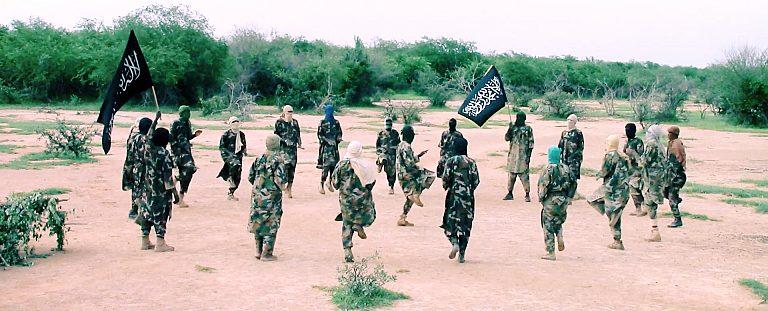
Recently, Mali has emerged as a pivotal center for militant activities in West Africa, largely due to the rise of Jama’a Nusrat ul-Islam wa al-Muslimin (JNIM), a prominent faction associated with al-Qaeda.This coalition of jihadist groups has exploited political instability, ethnic conflicts, and governance failures in the region to expand its influence and strengthen its operational capabilities. As JNIM intensifies its violent campaign against the Malian government, civilians, and international forces alike, it has gained infamy as one of the deadliest militant organizations on the continent. This article delves into JNIM’s origins, strategies, and implications for regional stability while illustrating how its intricate network and ideological foundations have positioned it as a meaningful actor in the ongoing conflict affecting Mali and neighboring nations.
Understanding JNIM’s Origins and Ideological Basis in Mali
Founded in March 2017, JNIM (Jama’a Nusrat ul-Islam wa al-Muslimeen) symbolizes a formidable alliance among various jihadist factions within Mali that are deeply entrenched in al-Qaeda’s ideological tenets. This coalition represents a strategic consolidation of militant groups such as Ansar Dine, al-Mourabitoun, and the Macina Liberation Front; each contributing unique perspectives while collectively aiming to establish an Islamist state.Key ideological drivers fueling this alliance include:
- Salafist fundamentalism: Advocating for an unyielding interpretation of Islamic law.
- Anti-colonial sentiment: Framing their struggle as resistance against Western imperialism and neocolonial practices.
- Local grievances: Exploiting social discontent among marginalized communities in northern Mali.
The organization is considerably influenced by key writings from prominent al-Qaeda ideologues that provide rationalization for their tactics and objectives. The combination of local issues with global jihadist narratives not only fortifies JNIM’s ideological base but also enhances its appeal among local populations who perceive it as a defender of Islam against external threats. By leveraging deteriorating security conditions, along with forging alliances with grassroots movements, JNIM has established itself as one of the most formidable insurgent forces across the Sahel region.
Assessing the Impact of JNIM’s Actions on Regional Security
The activities conducted by Jama’a Nusrat ul-Islam wal Muslimin (JNIM) have significantly altered security dynamics throughout the Sahel region-especially within Mali. Their expansion is characterized by numerous coordinated attacks targeting both military personnel and civilian populations which have destabilized local governance structures while hindering humanitarian efforts. The group’s actions have led to heightened violence levels transforming previously secure areas into conflict zones. With increased territorial control comes stringent enforcement of Sharia law; thus reshaping socio-political interactions within communities leading to widespread fearfulness and displacement among residents.
The consequences extend beyond Malian borders jeopardizing both regional stability and international security frameworks. By adeptly forming alliances with other extremist factions they raise concerns about potential expansions into broader jihadist networks.Their evolving tactics-including sophisticated use of improvised explosive devices (IEDs) alongside ambush strategies-indicate a shift towards more organized insurgency models necessitating re-evaluation from governments regarding counterterrorism approaches aimed at effectively addressing these emerging threats.The table below summarizes some key aspects related to JNIM’s influence:
| Affected Area | Description |
|---|---|
| Securitization Landscape | An increase in violent incidents resulting in instability. |










