The Rise of insect Meal in African Aquaculture: A Sustainable Protein Choice
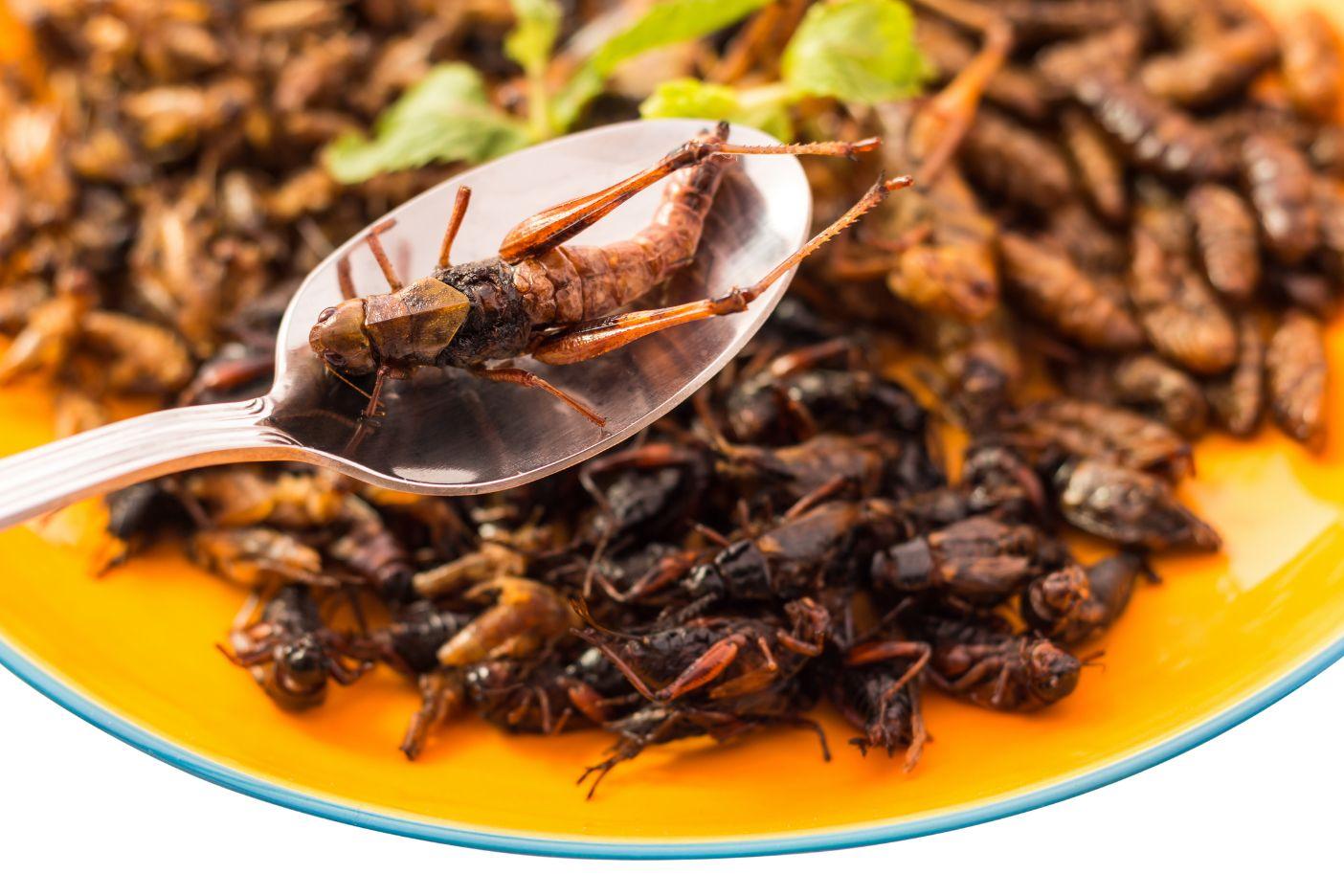
With the increasing global appetite for sustainable protein sources, Africa’s aquaculture sector is exploring innovative alternatives to conventional fishmeal. Among these groundbreaking options, insect meal stands out as a transformative solution that has the potential to revolutionize aquafeed practices across the continent. This article examines the significant promise of insect meal as an eco-friendly and viable protein source for fish farming in Africa. While its benefits are clear, challenges related to production scale and widespread adoption remain critical hurdles. We will analyze the current state of insect farming, highlight the advantages of integrating insect meal into aquaculture diets, and discuss the barriers that must be overcome to unlock its full potential.
Nutritional Advantages of Insect Meal for Sustainable Aquaculture
The growing demand for sustainable solutions in aquaculture presents a unique opportunity to incorporate insect meal into feed formulations. This novel ingredient is a robust source of protein with amino acid profiles comparable to conventional livestock feeds. Beyond its nutritional value, insect meal enhances overall feed conversion efficiency within aquatic farming systems. By utilizing this alternative protein source, farmers can significantly lower their feed costs—an appealing prospect especially for small-scale operators aiming to increase productivity while maintaining sustainability.
Moreover,incorporating insect meal addresses pressing environmental issues linked with traditional feed sources. By sourcing proteins from insects raised on organic waste materials, aquaculture operations can substantially decrease their carbon emissions and water consumption levels. The ability to convert waste into high-quality feed aligns perfectly with circular economy principles and highlights an emerging trend among farmers across Africa who are beginning to diversify their aquafeeds by including insects as a staple component.
Challenges in Scaling Up Insect Farming
As interest in sustainable alternatives grows within the aquafeed market, scaling up insect farming faces numerous challenges throughout Africa. A primary concern is inadequate infrastructure which hampers efficient production and distribution processes for insect meals; many regions lack sufficient facilities necessary for large-scale breeding and harvesting operations needed by expanding aquaculture practices.
Additionally, regulatory obstacles complicate matters further; inconsistent policies across different nations can slow down acceptance rates and integration efforts regarding insect-based feeds within mainstream operations. to advance this initiative successfully, stakeholders must collaborate effectively—addressing systemic barriers through technological advancements while building supportive infrastructures that facilitate scalability.
Education also plays an essential role in fostering acceptance around using insect meals as viable protein sources within aquaculture systems. Many farmers lack awareness about the nutritional benefits associated with these alternative feeds which may lead them hesitantly towards adoption efforts without proper guidance or data dissemination initiatives aimed at local communities highlighting ecological advantages alongside economic opportunities presented by adopting such methods.
Regulatory Frameworks & Market Strategies Promoting insect Meal Use
A complete regulatory framework is vital for enhancing acceptance rates surrounding use cases involving insects’ incorporation into African fisheries’ feeding strategies—this should include food safety standards along with environmental regulations ensuring compliance aligned closely with best practices established globally while engaging local stakeholders including producers/consumers alike during development phases thereof!
This regulatory environment should also support research initiatives focused on optimizing technologies related specifically towards improving efficiencies/sustainability aspects concerning production processes involved therein! Furthermore governments could consider subsidizing initial costs incurred during entry phases encouraging new players entering markets!
In conjunction with these regulations effective marketing strategies need crafting carefully designed campaigns promoting nutritional superiority over conventional fishmeal emphasizing high-protein content alongside rich fatty acid profiles available through utilizing such resources! Educational outreach targeting both producers/consumers alike would help raise awareness leading ultimately towards greater acceptance levels achieved via:
- Collaborations: Partnering up locally based manufacturers incorporating ingredients derived from insects directly into products offered!
- Demos:: Showcasing successful implementations demonstrating how well-established systems utilize proteins sourced from bugs effectively!
- Incentives:: Providing rewards incentivizing those who adopt these innovative formulations enhancing overall market penetration rates achieved thereby!
A transparent supply chain featuring clearly defined quality indicators fosters trust/reliability amongst consumers thus enhancing penetration opportunities further still! As an example consider projected trends illustrated below showcasing anticipated growth patterns regarding utilization metrics over time:
| Year | Projected Utilization (metric tons) | Expected Aquaculture Growth Rate (%) |
|---|---|---|
| 2024 | 5 ,000 | 10 % |
| 2025 | 10 ,000 | 15 % |