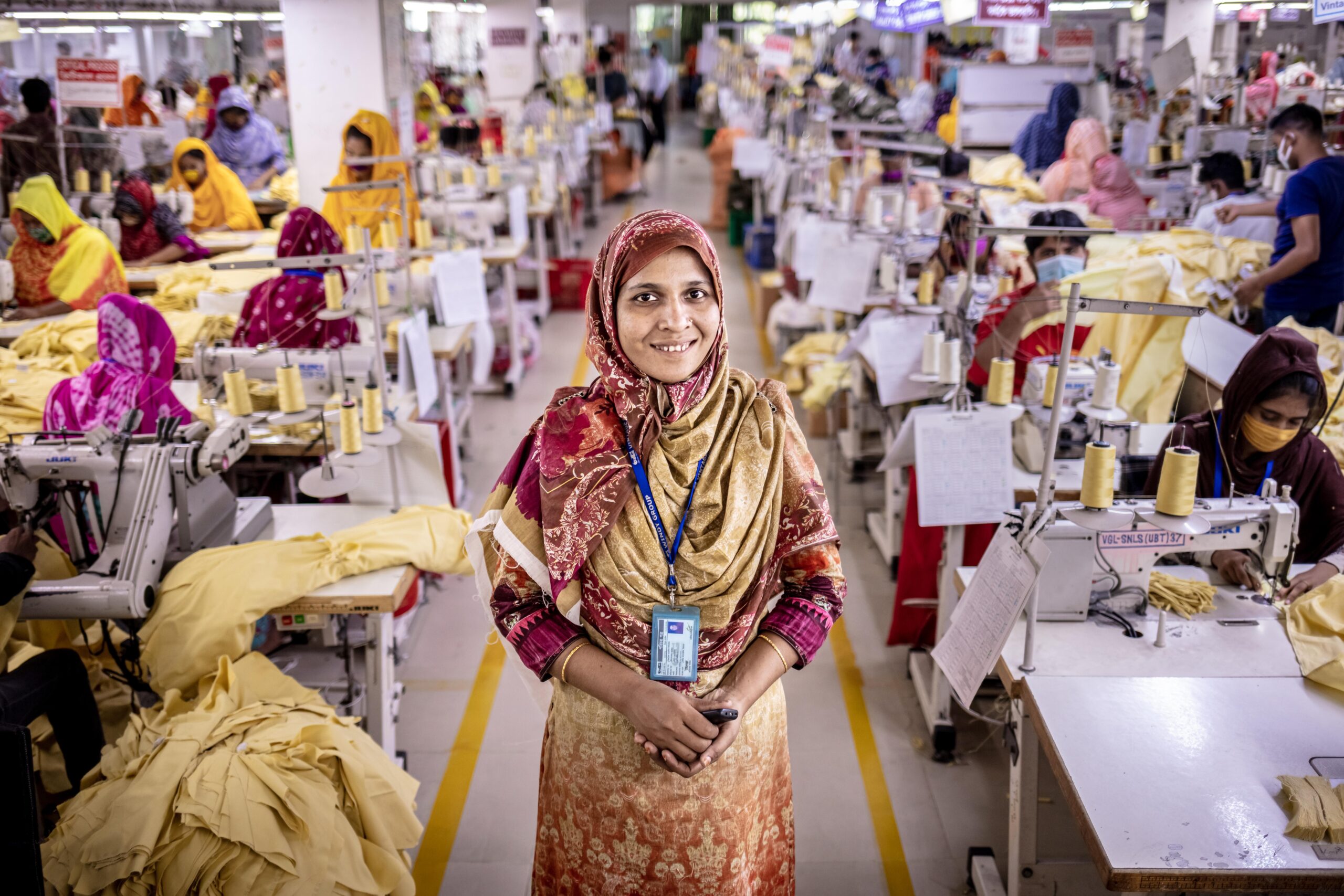
The Impact of U.S. Tariffs on Lesotho’s Apparel Industry
In recent years, the intricate nature of global trade has highlighted how international policies can significantly influence local economies, with Lesotho exemplifying this phenomenon. This small, landlocked nation in Southern Africa has developed a substantial part of its economy around clothing manufacturing, primarily targeting the American market. However, recent tariff hikes imposed by the United States have thrown Lesotho’s textile sector into disarray, leading to dire consequences for its workforce. Local garment workers voice their struggles with sentiments like “We are fighting to survive,” underscoring the profound impact these trade regulations have on their lives. This article delves into the obstacles faced by these individuals and explores how changes in tariffs have not only disrupted livelihoods but also threatened a community that once flourished within an industry brimming with potential.
Impact of U.S. Tariffs on Lesotho’s Apparel Industry
The introduction of U.S. tariffs has had a dramatic effect on Lesotho’s apparel industry, resulting in significant job losses and economic uncertainty for families reliant on this sector. As export demand declines due to increased prices for American consumers, local manufacturers face greater operational challenges. Many businesses have been forced to downsize or shut down completely, leaving thousands-primarily women-without job opportunities. The repercussions are extensive; this industry not only provides employment but is also crucial for social advancement within the region. Without access to fair wages and stable job options, many households find themselves descending into poverty.
This alarming situation has prompted various civil society organizations and labor unions to advocate against these tariffs while highlighting their devastating effects on vulnerable communities. Key issues arising from this crisis include:
- Rising unemployment rates: A considerable number of skilled workers now find themselves without jobs.
- Increasing poverty levels: With incomes falling sharply, living conditions continue to worsen.
- Healthcare difficulties: Reduced income limits access to essential health services.
The need for international support and effective economic strategies is becoming increasingly evident for Lesotho’s apparel sector. Collaboration among local stakeholders-including government bodies and global trading partners-is essential in creating robust economic frameworks that protect workers’ rights while fostering enduring growth.
Economic Challenges and Worker Struggles in Lesotho
The recent imposition of tariffs by the United States has reverberated throughout Lesotho’s economy-particularly impacting its garment manufacturing sector that serves as a vital source of employment for many individuals.With rising export costs due to increased tariffs forcing factories into cost-cutting measures,many employees face layoffs or reduced hours-a stark contrast from previous steady incomes they relied upon.
The decline in demand for textiles produced in Lesotho has undermined what was once a thriving industry; now workers confront an uncertain future filled with anxiety about job security.
As shifts occur within the economic landscape,the plight faced by former garment employees becomes increasingly evident. Rising poverty rates coupled with limited job prospects leave numerous families teetering precariously at financial risk.
Essential expenses such as food and healthcare place additional strain on already tight household budgets.
These difficulties are exacerbated by high inflation rates alongside insufficient social safety nets available during such crises.
Experts highlight several critical impacts stemming from tariff implementations:
- Shooting unemployment figures: Major layoffs across various factories within the garment sector.
- Diminished earnings: Remaining employees often experience pay cuts along with reduced working hours.
Limited access healthcare benefits worsens both physical ailments and also mental health struggles among affected individuals.
A snapshot illustrating economic ramifications can be seen below through changes observed over just one year regarding both exports generated through garments along with corresponding employment figures within this vital industry :
Date Range Total Garment Exports (in million USD) Total Employment Figures 2022 Year-End 250 50K < td style='text-align:left;'>2023 Year-End 150 30K Strategies for Promoting Sustainable Garment Labor in Lesotho
The impending consequences brought forth by U.S.-imposed tariffs necessitate innovative solutions aimed at safeguarding workers while effectively navigating complex global trade landscapes.
To assist those adversely affected due these new regulations stakeholders should consider implementing diverse strategies designed specifically towards fostering resilience alongside sustainability throughout this crucial sector:< / p >- < strong >Advocacy Efforts Targeting Trade Policy Revisions: Engage actively policymakers advocating reforms prioritizing labor rights alongside environmental standards .< / li >
- < strong >Partnerships With NGOs : Collaborate closely non-governmental organizations dedicated improving worker conditions creating support systems tailored specifically towards affected populations .< / li >
- < strong >Skill Enhancement Initiatives : Invest resources training programs equipping laborers additional skills enabling them diversify career paths beyond conventional manufacturing roles .< / li >
- < strong >Sustainable Production Practices : Promote eco-kind methods appealing socially conscious consumers possibly attracting new markets .< / li >
< / ul >Additionally establishing localized networks providing support could foster solidarity enhancing community resilience overall . Such initiatives might facilitate distress financing options promote savings programs customized notably targeting those employed within garments industries . Below outlines proposal establishing community-based fund :
Fund Component
Description Emergency Relief < ;/ t d >< ;/ t d >< ;/ t d >< ;/ t d >> ;
Immediate financial assistance provided unemployed individuals facing hardships caused directly attributed newly imposed tariffs .
& lt;/t r& gt;Micro-loans & lt;/t d>& lt;/t r& gt;
Facilitate small loans assisting those seeking start own businesses .
& lt;/t d>& lt;/t r& gt;Health & Well-being & nbsp;< ;/ t d >< ;/ t d >< ;/ t d >< ;/ t d ?>> ;
Support initiatives improving overall wellness including mental health resources available all members involved .
& lt;/t д>& lt;/т р& gt;
& лт;tbody>
& лт;table>Final Thoughts: Understanding Global Trade Impacts Through Local Perspectives
The effects resulting from U.S.-imposed tariffs uponLesothosgarments illustrate complexities inherent between worldwide trading policiesandlocal economies alike.Asworkerswithinthissmallnationstruggleto make ends meetamidst soaringunemploymentratesand dwindlingwages,theirplightservesasa poignant reminderof broaderhuman costsoften obscuredbehindtradeagreements.ThefutureofLesothosgarmentworkersremainsuncertainraisingurgentquestionsregardingresponsibilitieswealthy nationsmust uphold insupportingfairtradepracticesandsustainabledevelopment.As developments unfolditbecomescrucialforpolicymakersto weighdecisionsnotonlyagainsteconomicmetricsbutalsoonthelivesindividuals strivingforbetterfuturesdespiteadversity.
South Sudan Gears Up for AFCON Qualifiers Against Djibouti-But Fans Will Be Absent!
The anticipation is palpable as South Sudan gears up to clash with Djibouti in the highly anticipated Africa Cup of...
Read moreDetails