
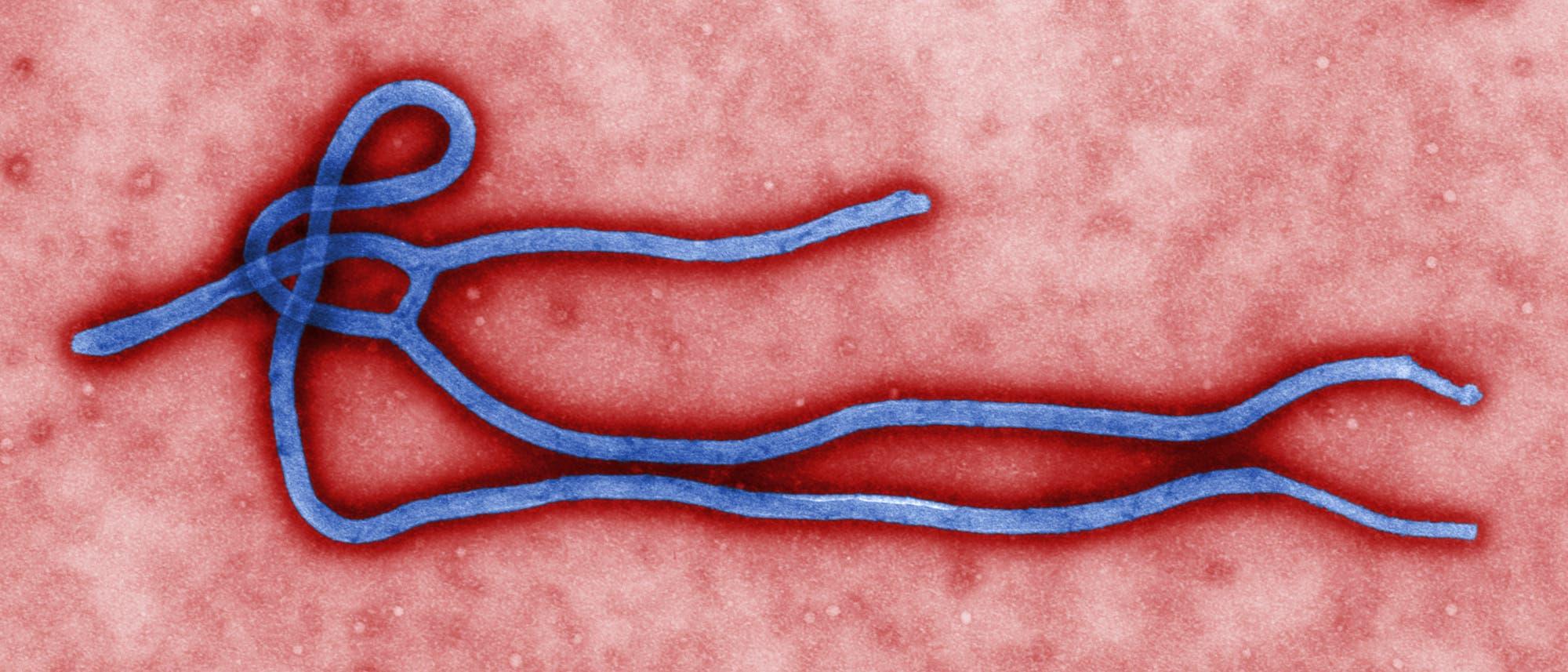
In a developing public health situation, the World Health Organization (WHO) has reported that six individuals who were in close contact with a confirmed Ebola patient in Uganda are now exhibiting symptoms of the virus. This alarming progress underscores the urgency of the ongoing health crisis and the need for immediate intervention. As authorities mobilize their resources, vaccination initiatives aimed at containing the outbreak are set to commence as early as Sunday. Health officials are racing against time to implement measures that could prevent further transmission and safeguard communities at risk. This article delves into the current status of the outbreak, the implications for public health in Uganda, and the critical role of vaccination in controlling the spread of this lethal virus.
WHO Reports Illness Among Contacts of Ugandan Ebola Patient Raising Urgent Public Health Concerns
The World Health Organization has raised an alarm as six individuals who were in contact with the confirmed Ugandan Ebola patient have fallen ill. This development intensifies the urgency of public health measures amidst fears of a potential outbreak. Authorities are closely monitoring these cases while conducting further tests to determine if the illness is indeed linked to the Ebola virus.Health officials emphasize the importance of promptly identifying and isolating any additional contacts to curb the spread of the disease. Local health systems are currently on high alert, prepared to respond effectively in the face of these emerging cases.
In response to this escalating situation,vaccination campaigns are being planned to commence as early as Sunday. The WHO is coordinating with local health authorities to ensure the rapid deployment of vaccines to those in the affected areas. Initiatives will include:
- Community Engagement: Educating the public on Ebola symptoms and preventive measures.
- Testing Programs: Expanding testing for individuals displaying symptoms.
- Health Monitoring: Regular check-ups for known contacts to swiftly address any health concerns.
As the situation develops, it remains critical for communities to stay vigilant and cooperate with health officials in reporting any cases of illness. Effective dialog and preparedness will play a vital role in managing this health crisis.
Vaccination Initiatives Set to Commence as Preventative Measures Against Ebola Spread Gain Momentum
In a proactive response to the recent outbreak linked to an Ebola patient in Uganda, health authorities are gearing up to initiate a targeted vaccination campaign aimed at curbing further transmission of the virus. As reports indicate that six individuals connected to the affected patient have fallen ill, the urgency for vaccination has reached a critical threshold. The World Health Organization (WHO) has been collaborating with local health departments to identify and vaccinate those at highest risk,including healthcare workers and direct contacts of the infected individuals. This strategic approach is intended to create a buffer against potential spread, reinforcing community safety as the situation develops.
To facilitate the vaccination efforts, several key measures are being implemented:
- Rapid Deployment of Vaccines: Vaccination teams are being organized to commence rollout as early as this Sunday.
- Surveillance Enhancements: Increased monitoring of health conditions among contacts will be crucial to identify symptomatic cases swiftly.
- Public Awareness Campaigns: Information dissemination regarding the signs of Ebola is vital for early detection and prevention.
Moreover, health officials remain vigilant and prepared for any upsurge in cases as the vaccination campaign advances. The following table illustrates the contact demographics of the ill patients, reflecting the urgency of the ongoing response:
| Contact Role | Illness Status | Vaccination Status |
|---|---|---|
| Healthcare Worker | Ill | Unvaccinated |
| Family Member | Ill | Unvaccinated |
| Close Associate | Well | Pending |
This coordinated effort reflects a robust commitment to preventing the outbreak from escalating and safeguarding public health within the region.
Expert Recommendations for Community Preparedness and Response Amid Ongoing Ebola Outbreak
Considering the recent developments surrounding the ongoing Ebola outbreak, health experts emphasize the importance of proactive measures to enhance community preparedness.Key strategies should include:
- Increased Public Awareness: Communities must be informed about the signs and symptoms of Ebola, promoting swift reporting of potential cases to health authorities.
- Strengthening Healthcare Infrastructure: Local clinics should be equipped with essential medical supplies and trained personnel who can effectively respond to suspected Ebola cases.
- Emergency Response Training: Organizing workshops for community health workers ensures they are prepared to handle outbreaks and educate the public.
Additionally, coordination among local leaders, health officials, and organizations will be crucial. Implementing a robust vaccination strategy can substantially mitigate risk. Experts recommend the following steps:
| Action Item | Responsibility | Timeline |
|---|---|---|
| Conduct Vaccination Drives | Local Health Departments | Starting Sunday |
| Establish Isolation Centers | Health Authorities | Ongoing |
| Engage Community Leaders | Non-Governmental Organizations | Immediate |
By implementing these recommendations, communities can enhance their resilience and improve response efforts, ultimately safeguarding public health amid the unfolding crisis.
Key Takeaways
As health authorities grapple with the emerging situation surrounding the recent Ugandan Ebola case, the World Health Organization has confirmed illness among six individuals who had direct contact with the infected patient. This development underscores the urgency of the response measures being deployed to contain the outbreak. In light of this, vaccination efforts are projected to commence as early as Sunday, aiming to curb the virus’s spread and protect at-risk populations. As the situation evolves, ongoing monitoring, swift public health interventions, and community cooperation will be vital to mitigating the impact of this outbreak. Continued updates will be essential for public awareness and health preparedness in the region and beyond.










