
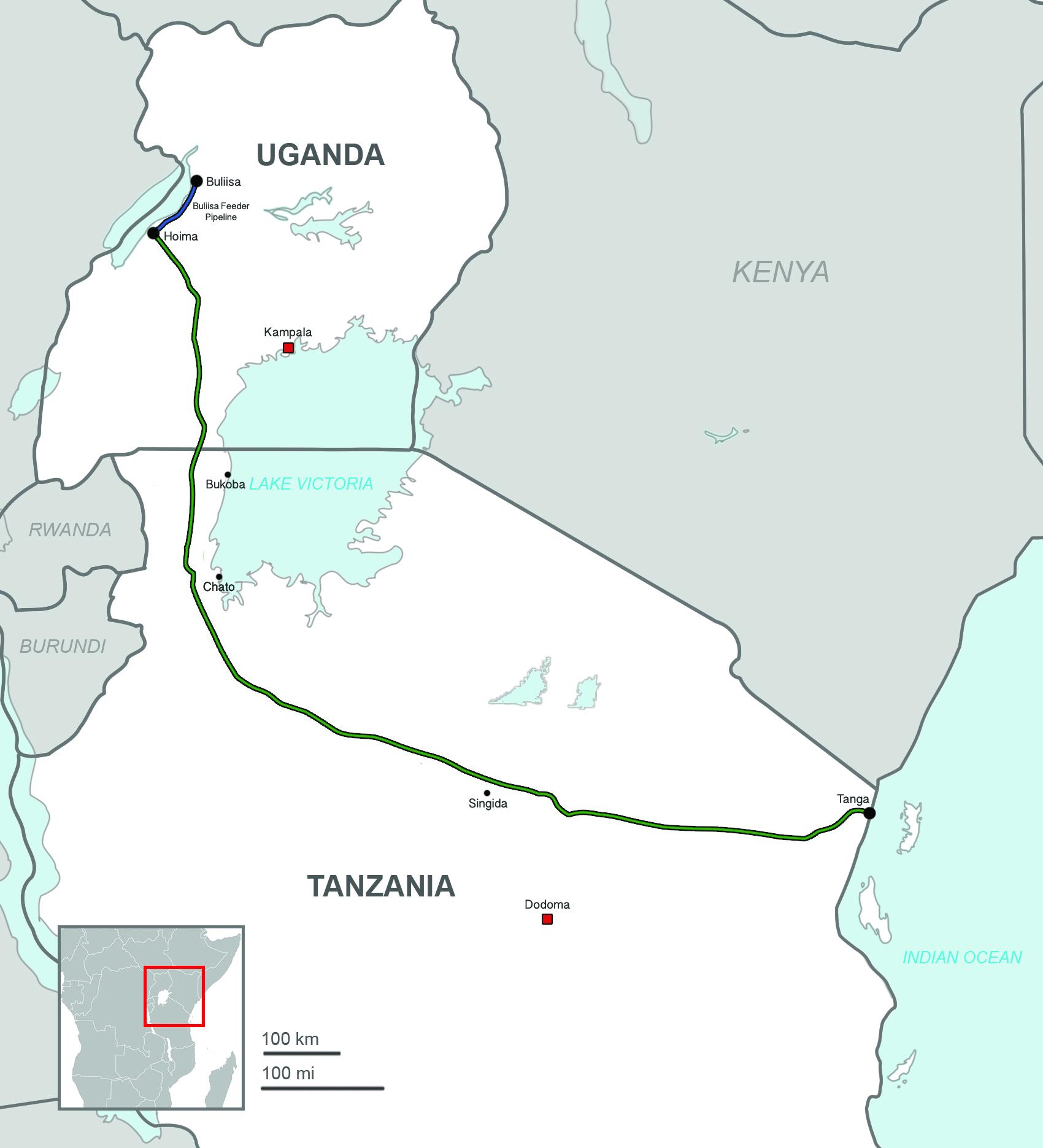
In a significant milestone for East Africa’s energy sector, the long-anticipated Uganda-Tanzania oil pipeline project has entered its final phase, often referred to as the ’12-month sprint’ towards completion.Following an extensive investment of $3.6 billion, this enterprising infrastructure initiative aims to transport crude oil from Uganda’s Tilenga and Kingfisher oilfields to the Tanzanian port of Tanga. As the region seeks to harness its vast natural resources and boost economic growth, the timeline for the pipeline’s completion is crucial for both national and regional aspirations. This article delves into the project’s current status, the challenges ahead, and the potential impacts on Uganda and Tanzania’s economies as they prepare to capitalize on this transformative venture.
Uganda-Tanzania Pipeline Project Approaches Completion With Significant Economic Implications
The Uganda-Tanzania pipeline project is on the verge of completing a monumental chapter in East Africa’s energy landscape. This $3.6 billion investment is set to not only boost the economies of both nations but also transform the region into a significant player in the global oil market.As the last mile of construction unfolds, the pipeline promises job creation, revenue generation, and an increase in foreign direct investment. The strategic positioning of the pipeline is meant to facilitate the transportation of oil from Uganda’s lucrative oil fields in the Albertine Graben to the port of Tanga in Tanzania, making it a vital conduit for Uganda’s oil exports. This infrastructure establishes a seamless connection between landlocked Uganda and international markets, thereby reducing dependency on neighboring countries for transit routes.
As the project nears completion, various stakeholders are keeping a keen eye on its economic implications. The pipeline is projected to create approximately 10,000 direct jobs during construction and an estimated 1,000 permanent jobs once operational. The influx of employment opportunities is expected to enhance local economies, particularly in the regions surrounding the pipeline. Moreover, the project is likely to catalyze ancillary industries, such as logistics, hospitality, and trade, which will yield a ripple effect across the communities involved. Local governments are optimistic that the success of the pipeline will lead to significant socio-economic growth, improved infrastructure, and strengthened bilateral relations between Uganda and Tanzania.
| Economic Impacts | Estimated Figures |
|---|---|
| Direct jobs during construction | 10,000 |
| Permanent jobs post-construction | 1,000 |
| Projected increase in FDI | Unquantified but significant |
| Economic growth forecast | Projected to increase GDP by 2% |
Environmental Considerations and Community Impact Amid Infrastructure Development
The ambitious Uganda-Tanzania pipeline project, while promising economic benefits, has drawn significant scrutiny regarding its environmental and community impact. Stakeholders, including environmental activists and local communities, express concerns about the potential disruption to sensitive ecosystems and wildlife habitats along the pipeline route. The pipeline’s construction is expected to entail:
- Deforestation: Clearing large areas of forest may lead to loss of biodiversity.
- Water Pollution: Risks of spills or leaks pose a threat to local waterways.
- Land Use Conflicts: Local farmers may face displacement or loss of land rights.
Community impact assessments are crucial to navigate these issues, ensuring that infrastructure development aligns with sustainability. Emphasis on engaging local communities can help address grievances and incorporate local knowledge, fostering a more inclusive approach. Ensuring that the benefits of this $3.6 billion investment are equitably shared can mitigate potential tensions. Below is a brief overview of key considerations being discussed by policymakers:
| Consideration | Potential Impact |
|---|---|
| Economic Growth | Job creation and local business opportunities. |
| Environmental Sustainability | Balance economic development with conservation efforts. |
| Community Engagement | Incorporation of local voices in decision-making. |
Strategies for Maximizing Benefits from the $3.6bn Investment in Regional Energy Security
Effective utilization of the considerable $3.6 billion investment in regional energy security necessitates a multifaceted approach. Stakeholders must prioritize collaboration and partnership among governments, local communities, and private sector players. This can be achieved through:
- Strengthening local capacities: Empower local firms through training and resources to ensure they can actively participate in the energy sector.
- Enhancing infrastructure: Optimize existing infrastructure and develop new installations that are sustainable and efficient, reducing long-term operational costs.
- Promoting renewable energy sources: Diversify energy production by integrating wind,solar,and hydropower solutions to decrease reliance on fossil fuels.
Additionally, it is indeed vital to establish clear frameworks for governance and regulatory oversight to assure transparency and accountability in the management of resources. The formation of an energy security task force can facilitate the implementation of policies geared towards ensuring long-term energy stability. This could involve:
| Focus Area | Action Plan |
|---|---|
| Investment Strategy | Direct funds towards high-impact projects with quick returns. |
| Community Engagement | Hold regular consultations with local stakeholders for project feedback. |
| Technology Adoption | Encourage the use of innovative technologies to boost efficiency. |
In doing so, it becomes feasible to not only achieve energy security but also stimulate the region’s economic growth, paving the way for sustainable development that benefits all stakeholders involved.
Future Outlook
the completion of the Uganda-Tanzania oil pipeline represents a significant milestone in East Africa’s energy landscape,following a substantial investment of $3.6 billion. As the project enters its final 12-month phase, the anticipation surrounding its impact on regional economies and infrastructure is palpable. With the potential to boost oil exports and create jobs, the pipeline is not just a conduit for resources, but a catalyst for economic growth and development in both Uganda and Tanzania. Stakeholders are keenly aware of the challenges that lie ahead, from environmental concerns to logistical hurdles, yet the commitment to seeing this ambitious project through to fruition remains unwavering. As the world watches closely, the successful completion of the pipeline could herald a new era for East African energy, transforming the region’s position in the global market.










