As Uganda stands on the precipice of a important political shift, the nation eagerly awaits the results of its hotly contested presidential election held on January 14, 2021. With long-time incumbent Yoweri Museveni vying for another term against charismatic opposition leader bobi Wine, the election has sparked intense anticipation and debate both within Uganda and around the world. Museveni, who has been in power for nearly four decades, faces a formidable challenge from Wine, a popular musician-turned-politician who has galvanized a youthful electorate with his calls for change and reform. As vote counting progresses, the implications of this election extend far beyond polling booths, raising critical questions about democracy, governance, and the future of political expression in Uganda. This article delves into the dynamics of the electoral process, the candidates’ contrasting visions for the country, and the broader meaning of this pivotal moment in Ugandan history.
Uganda’s Electoral Landscape Under Scrutiny as yoweri Museveni and Bobi Wine Clash
As Uganda hangs in suspense over the presidential election results, the clash between long-time leader Yoweri Museveni and opposition figure Bobi Wine has captivated not only the nation but also the international community. The electoral landscape, marked by tension and controversy, highlights several critical issues at play, including:
- Media Restrictions: Reports indicate widespread limitations on press freedoms, with journalists facing intimidation as they cover the electoral process.
- Voter Suppression Claims: Allegations have emerged regarding the disenfranchisement of voters, particularly in opposition strongholds.
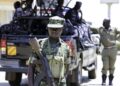
- Security Concerns: The presence of security forces at polling stations has raised alarms over potential violence and voter intimidation.
- International Observers: The role of foreign monitors remains crucial as their independence is tested amidst accusations of bias and interference.
The stakes are high, with youth engagement and civil unrest setting the backdrop for a historic confrontation.both candidates represent diverging visions for Uganda’s future, with Museveni promising stability and continuity, while Bobi Wine appeals to a younger, more restless electorate yearning for change. As counting commences and tensions rise, the results will not only define Uganda’s political trajectory but also impact regional dynamics in East Africa.
Public Sentiment and Voter Turnout: Key Factors Influencing the Election Outcome
The recent presidential election in Uganda has been marked by a palpable shift in public sentiment, particularly among the country’s younger voters. Social media platforms have played a crucial role in shaping opinions, enabling candidates to directly communicate their visions. Bobi Wine, with his fresh perspective and music-driven campaign, resonated with the youth, reflecting a growing desire for change among a population that feels increasingly disenfranchised. This generational divide has not only influenced campaign strategies but has also amplified calls for greater accountability and clarity in governance.
voter turnout has emerged as a critical factor in determining the eventual outcome of the election. Several dynamics play a role in this aspect: the motivation of voters to participate, their beliefs regarding the electoral process, and the effectiveness of various campaigning methods. In previous elections, many Ugandans expressed apathy towards voting, perceiving the outcome as predetermined. However, the intensifying rivalry between Yoweri Museveni, the long-standing incumbent, and Bobi Wine has sparked renewed interest. Observers note that high turnout could signify a shift in the political landscape,possibly altering the power dynamics in Uganda if voters rally behind the promise of change.
Recommendations for a Transparent and Peaceful Transition Amid Electoral Tensions
in the wake of heightened electoral tensions in Uganda, it is imperative that all stakeholders adopt best practices to ensure a transparent and peaceful transition. Firstly, the electoral commission must prioritize clarity in the dissemination of results, establishing an accessible interaction channel that allows citizens to follow the counting process in real time. This transparency can mitigate misinformation and build trust in the electoral system. To further bolster this effort, international observers shoudl be invited to monitor the electoral process, providing an objective perspective that reassures both local and global audiences about the integrity of the results.
Moreover, all political actors are urged to commit to non-violence, recognizing the critical importance of maintaining peace during this crucial period. Leaders must take a stance against inflammatory rhetoric and publicly promote dialog among supporters to foster an habitat of mutual respect. Moreover, community engagement initiatives should be established, aimed at educating citizens about their rights and the electoral process, encouraging civic participation while emphasizing the value of peaceful coexistence regardless of the election outcome. Such initiatives can significantly contribute to a stable and harmonious transition, reinforcing democratic principles in Uganda.
Wrapping Up
As Uganda holds its collective breath for the results of a highly contested presidential election, all eyes remain on the pivotal showdown between incumbent Yoweri Museveni and challenger Bobi Wine. The outcome of this election not only stands to shape the future of Ugandan politics but also reflects broader trends in governance and civil rights across the region. With Museveni seeking to extend his long-standing tenure and Wine rallying a youthful electorate in a call for change,the stakes could not be higher. As the nation grapples with issues of voter suppression, economic challenges, and demands for democratic reform, the proclamation of the results will undoubtedly resonate far beyond Uganda’s borders. The world watches closely as the electoral process unfolds,hoping for a peaceful resolution and a reaffirmation of the democratic will of the ugandan people.